
 EN
EN
 English
 繁体中文
繁体中文 Italian
 Greek
Greek Spanish
 Hebrew
 Japanese
 Portuguese
 Korean
 Russian
 French
 German
 Arabic
Blog & Events
Follow NOVANEON for more valuable information to know early
Follow NOVANEON for more valuable information to know early
Aug 11Source: Views: 166
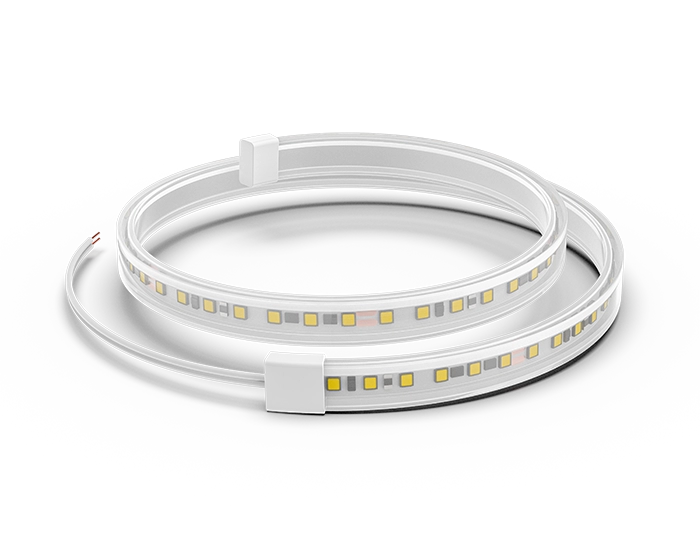
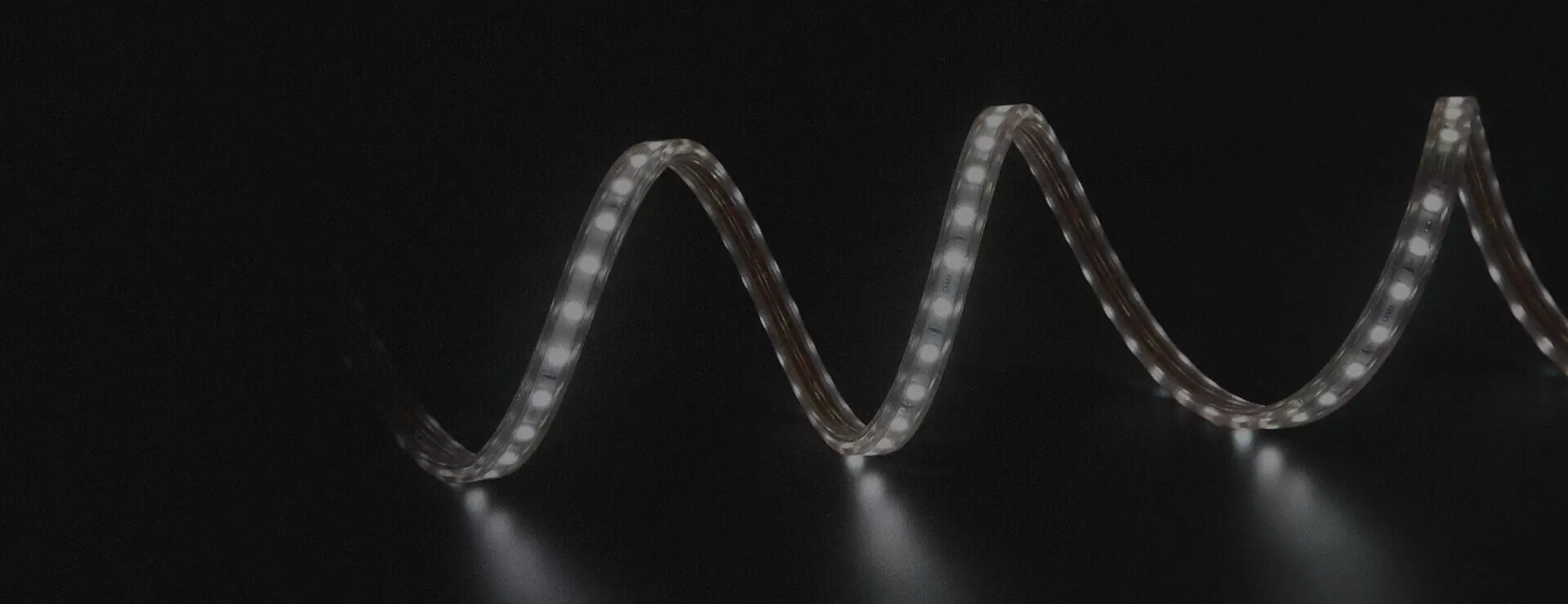
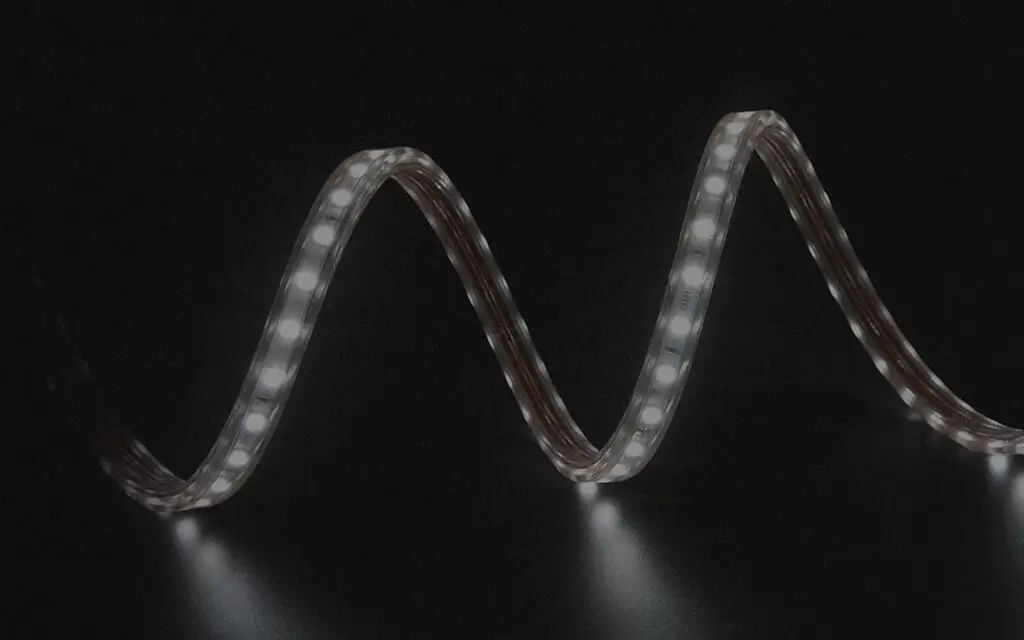
Strategic indoor led flex fixtures convert standard modern homes into visually captivating environments. Homeowners dramatically elevated residential spaces as U.S. households using led technology for most indoor lighting rose from 4% in 2015 to 47% by 2020.
These flexible strip installations offer remarkable practical benefits:
· Soft ambient illumination enhances the general atmosphere of living spaces.
· Eye-catching accent elements elevate modern interior design and decor style.
· Focused task light improves visibility for daily household routines.
Integrated illumination profiles cast continuous glow, eliminating harsh dark shadows. Linear fixtures highlight architectural features seamlessly, creating custom visual depth across modern interior walls.
Technical parameters determine visual performance for indoor led flex fixtures. Color temperature measures light output in Kelvin. The standard residential spectrum spans 1800K to 6500K. Warm light between 2700K and 3000K provides soft ambient glow. Living room ambient lighting performs best within this warm 2700K to 3000K range. Conversely, kitchen task lighting requires 3500K to 4000K neutral light for proper visibility.
Parameter | Recommended Range / Value | Notes & Application Context |
CRI (Color Rendering Index) | 90+ (minimum standard) | Floor for residential and commercial specification work. |
CRI for Critical Applications | 95+ with R9 > 50 | Required for galleries, retail, and spaces where color accuracy is vital. |
Color Temperature (General Range) | 1800K – 6500K | The full spectrum of available white light tones. |
Color Rendering Index measures how accurately a light source reveals item colors. Standard 80+ CRI yields acceptable accuracy. High-quality 90+ CRI produces natural, vibrant room tones. A red dress under CRI 70 appears brownish, but CRI 90+ reveals deep red hues. High CRI guarantees accurate paint colors across home walls.
Density choices shape total output across led strip lighting layouts. Strip options feature specific diode counts per meter. Lower density diodes save energy, while high-density options eliminate visible hotspots behind covers. Living room general lighting guidelines recommend 20-30 lumens per square foot.
LEDs per Meter | Typical Classification | Effect on Brightness & Illumination | Key Considerations |
30 LEDs/m | Low Density | Lower brightness; suitable for decorative or indirect lighting. | Energy efficient, lower cost, cooler operation. |
60 LEDs/m | Standard Density | Moderate brightness; balance between brightness and efficiency. | Good balance of performance, cost, and power consumption. |
120-240 LEDs/m | High Density | Very high brightness; uniform illumination without hotspots. | Higher power consumption, increased heat output, higher cost. |
Selecting the right led density prevents spotty shadows along installation tracks. Standard density strip products maintain moderate output levels. High-density led strip choices emit seamless continuous light beams along channel runs. Homeowners choose high-density strip models to illuminate task surfaces safely.
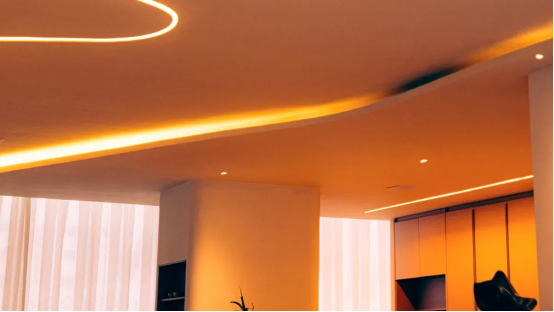
Modern homeowners transform residential interior spaces by using indoor led flex systems to craft dynamic visual depth across living environments. Bending flexible led fixtures around modern desk edges or wall paneling produces personalized custom accent elements and creative wall art ideas. These adaptable installations establish a balanced relationship between visual art and practical lighting.
Recessed feature walls introduce rich architectural depth and visual texture into living spaces. Built-in channels house flexible tape fixtures to emit continuous diffuse illumination without creating harsh shadows or glare. The energy-efficient led strip lighting consumes up to 80% less energy than standard incandescent bulbs while delivering an extended lifespan exceeding 50,000 hours. The custom output enhances modern living room decor style seamlessly while maintaining low heat emissions during continuous daily operation.
Placing led strip lighting directly behind wall-mounted televisions creates a sleek visual focal point while reducing eye strain during night viewing. Homeowners achieve optimal results by following a straightforward installation sequence.
1. Clean the rear TV panel near the outer edges using rubbing alcohol and let the surface dry completely.
2. Lay the strip loosely around the rear perimeter approximately one to two inches from the edge.
3. Press the tape onto the TV rear panel while bending gently at corners to avoid damaging diodes.
4. Route the power cable directly into a nearby TV USB port or wall outlet using adhesive cable clips.
5. Set color temperature to 6500K daylight white and dial brightness down to produce a soft ambient glow.
DIY installation works exceptionally well for basic TV setups on media stands. Homeowners should hire a professional installer when integrating mounted screens with hidden wiring, custom media walls, or addressable synchronization systems.
Architectural bedroom niches and floating shelves gain subtle visual depth through targeted indirect glow. Placing fixtures along the back edge of a shelf yields a soft ambient atmosphere that highlights displayed decorative items. Positioning fixtures along the shelf front edge maximizes practical visibility. Lower-power strip products consuming 4–6 W/m in warm white elevate basic floating shelves into elegant display features.
Bedroom Feature | How LED Strips Enhance Visual Appeal | Recommended Technical Setup for Optimal Effect |
Niches & Architectural Recesses | Turns them into soft display features, adding subtle accent layers. | Use lower-power strips (4–6 W/m) in warm white. |
Floating Shelves | Creates a subtle glow that highlights decor items and adds depth. | Use lower-power strips (4–6 W/m) in warm white with a narrow 120° beam spread. |
Mirrors (for grooming zones) | Mimics salon illumination, providing even facial light without shadows. | Use neutral to warm white (3000–4000K) with high CRI (90+). |
Modern bedroom design ideas benefit from layered accent lighting strategies. Incorporating a floating under-bed glow establishes a peaceful atmosphere across floor surfaces during evening hours. Integrating dedicated wardrobe lighting improves item visibility inside dark closet compartments without disturbing sleeping partners. Warm illumination inside a bedroom architectural niche establishes a cozy and chic ambiance for nightly relaxation. Mirrors in vanity and grooming zones require a Color Rendering Index above 90 with a color temperature between 5000K and 6500K. Optimal mirror setups using 5500K to 6000K light mimic natural daylight accurately to prevent color distortion during makeup application. These balanced light layers refine the bedroom atmosphere and elevate overall home ambiance effortlessly.
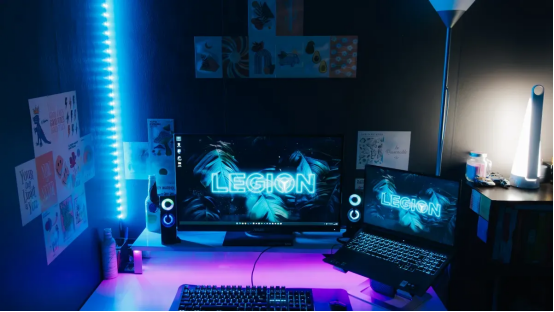
Modern home designs utilize ceiling led strips to project continuous illumination across overhead surfaces. Architectural channels transform plain flat ceilings into structural visual elements.
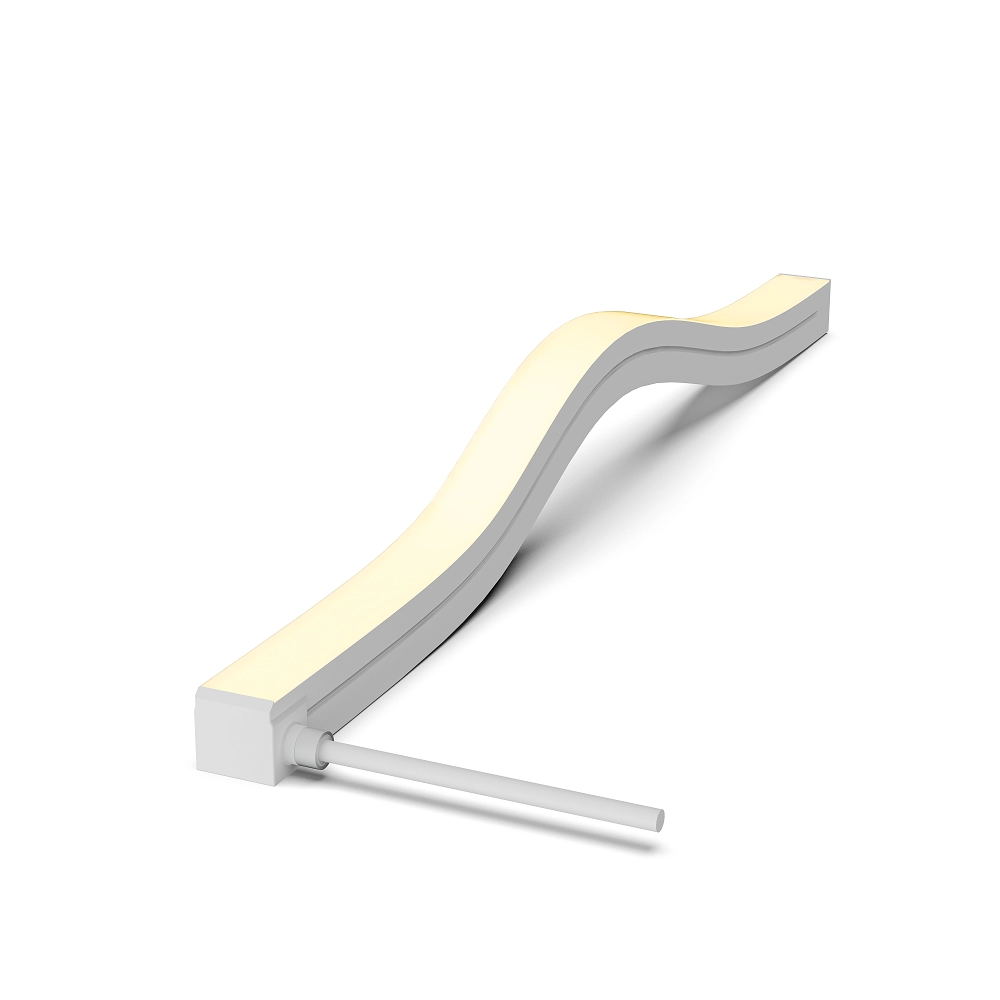
Installing led neon flex within recessed profiles creates smooth lines without visible hotspots. Deep channel aluminum housings hold diffuser lenses to spread light output evenly before emission.
The primary advantage of recessed LED profiles is their seamless, minimalist look with a hidden light source, making them ideal for high-end interiors, retail displays, and hospitality lighting.
Feature of Recessed Aluminum Profile | Benefit for Appearance | Benefit for Light Distribution |
Embedded flush into surfaces | Creates a flat, neat, and stylish installation; achieves a seamless minimalist look with a hidden light source. | Keeps the mounting surface flat, providing optimal conditions for light output. |
Deep channel design | Contributes to a flawless, neon-like glow without visible LED dots. | Allows light to spread before hitting the diffuser, resulting in a spotless, uniform glow and maximum light uniformity. |
Use with opal/milky diffuser | Softens the light for a comfortable decorative effect. | Removes hot spots, creates even illumination, and provides spotless light diffusion. |
Integrated thermal management | Maintains a clean, uninterrupted visual line by preventing overheating issues. | Ensures consistent light output and longevity of the LED strips by managing heat. |
Ceiling cove layouts cast broad ambient light across open-concept living rooms. Homeowners follow systematic steps to maximize cove performance:
1. Determine the Lighting Purpose: For uniform ambient illumination in a living room, principal lighting requires 400–1000 lumens per foot, whereas accent lighting only needs 200–500 lumens per foot.
2. Choose the Right Color Temperature: Select warm white (2700K–3000K) to create a cozy and relaxing atmosphere.
3. Plan Your Control System: Implement dimming controls to adjust the cove lights from task lighting to ambient accent lighting easily.
4. Select the Correct Power Supply: Pair each led strip with the correct power supply driver to operate safely and efficiently.
5. Mount Strips and Prep Surface: Clean the cove with alcohol and ensure a 1-2 inch recess depth before mounting the strips.
A wide 120°–180° beam spread directs smooth indirect rays across upper drywall panels. Tilting tape channels at a 45° angle creates a soft wall wash effect along room boundaries.
Under-cabinet led strip lighting provides direct downward output across food preparation counters. Installing indoor led flex tape under upper cabinets builds functional work zones and generates cozy kitchen lighting for evening dining routines. Modern kitchen ideas balance clear workspace visibility with an inviting cozy and stylish ambiance.
Homeowners improve kitchen functionality using tested placement rules:
· Mount led strips 1 to 2 inches behind the cabinet front edge to direct soft light onto prep areas and minimize hand shadows.
· Select high-density 2835 HD strip models delivering 400–700 lumens per foot for clear visibility.
· Use a neutral 3000K–3500K warm white color temperature with a CRI of 90 or higher for accurate food presentation.
· Enclose strip tape within diffused aluminum profiles over glossy counter surfaces to eliminate harsh glare.
Island under-counter installations cast a subtle floor glow. This indirect technique provides a soft night guide without disturbing the surrounding atmosphere. Proper fixture placement transforms functional prep spaces into cozy relaxation zones effortlessly.
Selecting the right lighting fixture dictates daily functionality across modern interior spaces. Static single-color light options provide dependable performance for a dedicated task lighting area. Meanwhile, dynamic products allow homeowners to modify light color outputs based on daily activity schedules. Advanced controllers running Matter protocols connect directly to Apple Home, Google Home, and Alexa platforms. This modern connectivity lets users automate smart lighting routines without installing specialized bridge equipment.
Tunable products deliver tailored light shifts that align with human biology throughout the day. Homeowners set crisp 6500K light output during early morning hours to boost focus and mental alertness. They transition light temperature down to 4000K in the late afternoon for comfortable working conditions. Lowering fixture output to a warm light setting with a warm 3000K tone during evening hours creates a peaceful ambiance that promotes natural sleep preparation.
A successful installation of any flexible led strip lighting requires careful electrical power driver calculations. Installers determine connected load by multiplying strip length by rated wattage per meter. Sizing the led power supply requires adding a 20 percent buffer above the total wattage to prevent circuit overload. A 24V led line supports continuous runs up to 32 feet, whereas a 12V strip layout reaches a maximum length of roughly 16 feet.
Mounting every flexible led strip inside extruded tracks protects sensitive led components against heat damage. High-grade 6063-T5 aluminum profiles feature thermal conductivity near 201 W/m·K to pull excess heat away from led circuit boards. Upgrading to a 2 mm profile wall reduces internal board temperatures by 6 to 8 °C. This proper thermal dissipation extends expected L70 service lifespan by 30 to 40 percent. Secure strip track bases by fastening screws every 1 to 2 feet along the planned light surface.
Flexible indoor led flex solutions transform modern homes by combining dynamic beauty with functional lighting. Strategic lighting placement improves room atmosphere instantly. A gentle ambient glow elevates living space ambiance without creating uncomfortable glare. Beginners achieve fast success by starting with small lighting projects like TV backlighting or kitchen strip accents. Homeowners upgrade to complete ceiling runs later. Every long-lasting installation relies on key hardware components. High-grade aluminum channels protect delicate led tape against excess heat. Reliable power drivers supply steady light power safely. Modern smart controllers allow users to customize daily light patterns easily. Quality led strip choices deliver beautiful light output, direct task light, and flexible light coverage across every room.
Homeowners create a relaxing atmosphere in the bedroom with warm light tones between 2700K and 3000K. This warm white spectrum delivers soft light glow across sleeping areas. Proper color selection improves overall bedroom lighting without causing harsh glare during night routines.
Circuit voltage determines maximum tape length. A 24V led strip line supports continuous runs up to 32 feet. Conversely, a 12V installation reaches a maximum length of 16 feet before voltage drops alter light output across distal diodes.
Extruded tracks pull excess operational heat away from sensitive led components. High-grade aluminum profiles reduce circuit board temperatures significantly. Proper thermal protection extends diode service life while diffusing output into a uniform light beam.
Installers add a 20 percent buffer above total strip wattage calculations. Sizing the power supply with this safety headroom prevents circuit overload during continuous daily operation. Proper sizing guarantees reliable performance for long-lasting indoor lighting setups.
Please provide the following detailed information so that our business representatives can better understand your needs and get in touch with you as soon as possible.