
 EN
EN
 English
 繁体中文
繁体中文 Italian
 Greek
Greek Spanish
 Hebrew
 Japanese
 Portuguese
 Korean
 Russian
 French
 German
 Arabic
Blog & Events
Follow NOVANEON for more valuable information to know early
Follow NOVANEON for more valuable information to know early
Aug 26Source: Views: 200
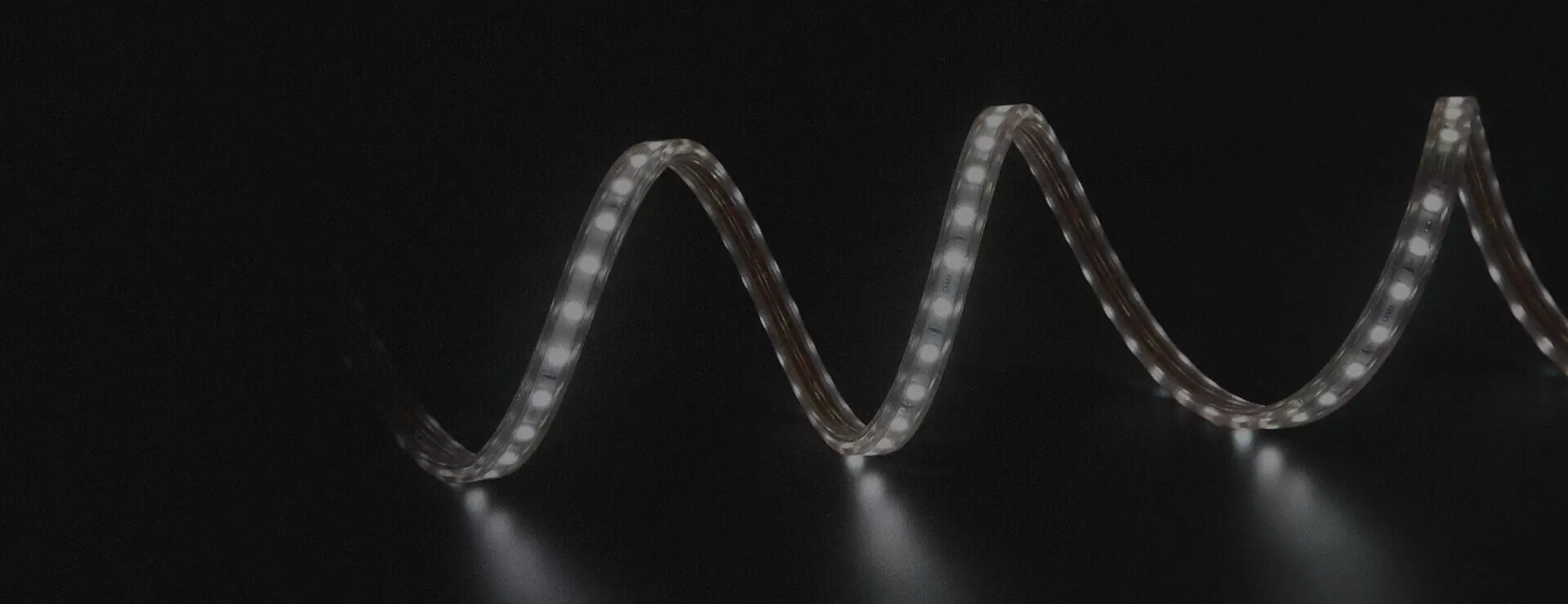
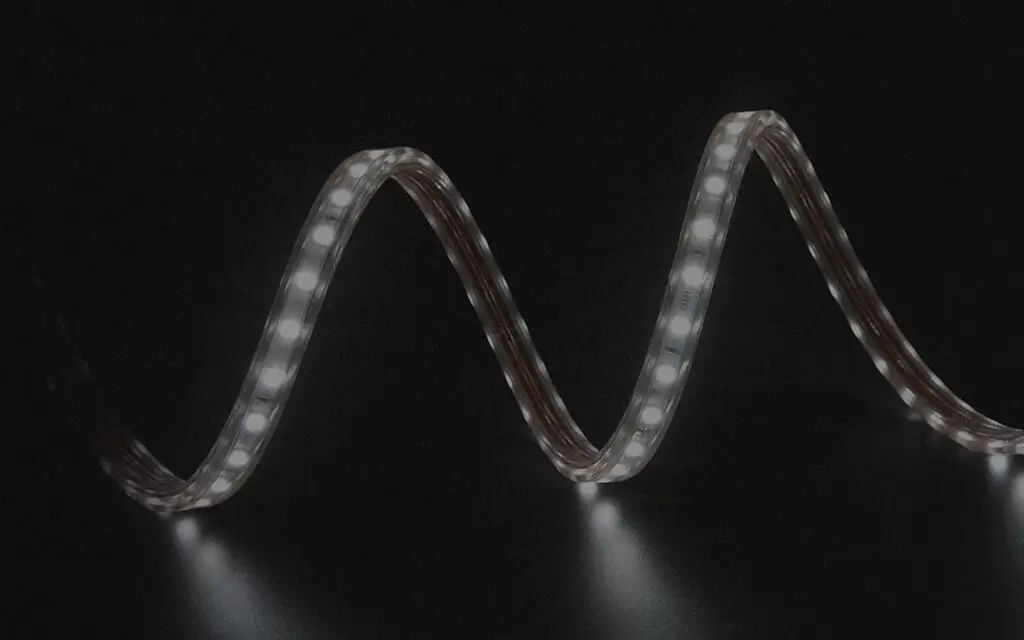
How does one illuminate a wall that bends, twists, and flows? Traditional lighting fixtures fail on such dynamic surfaces. 3D bending flexible LED neon provides the definitive answer. This technology conforms to complex geometries with ease, enabling seamless light lines along any contour.
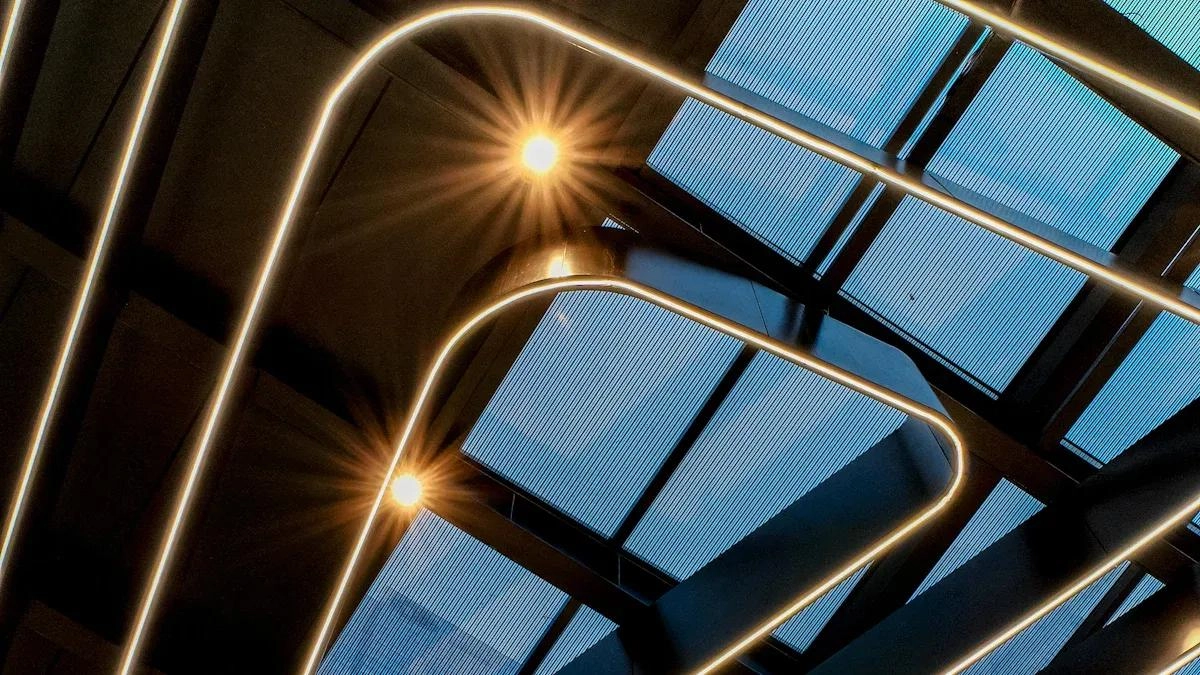
Consider a building facade shaped like a gentle ocean wave. The neon strip follows every curve, creating a continuous, glowing ribbon that defines the architecture after dark. This capability transforms ordinary structures into landmarks.
This guide demystifies the technology. It offers a practical installation roadmap and showcases inspiring applications. Readers gain the knowledge to apply this versatile tool to their own projects, mastering the art of Curved Architecture.
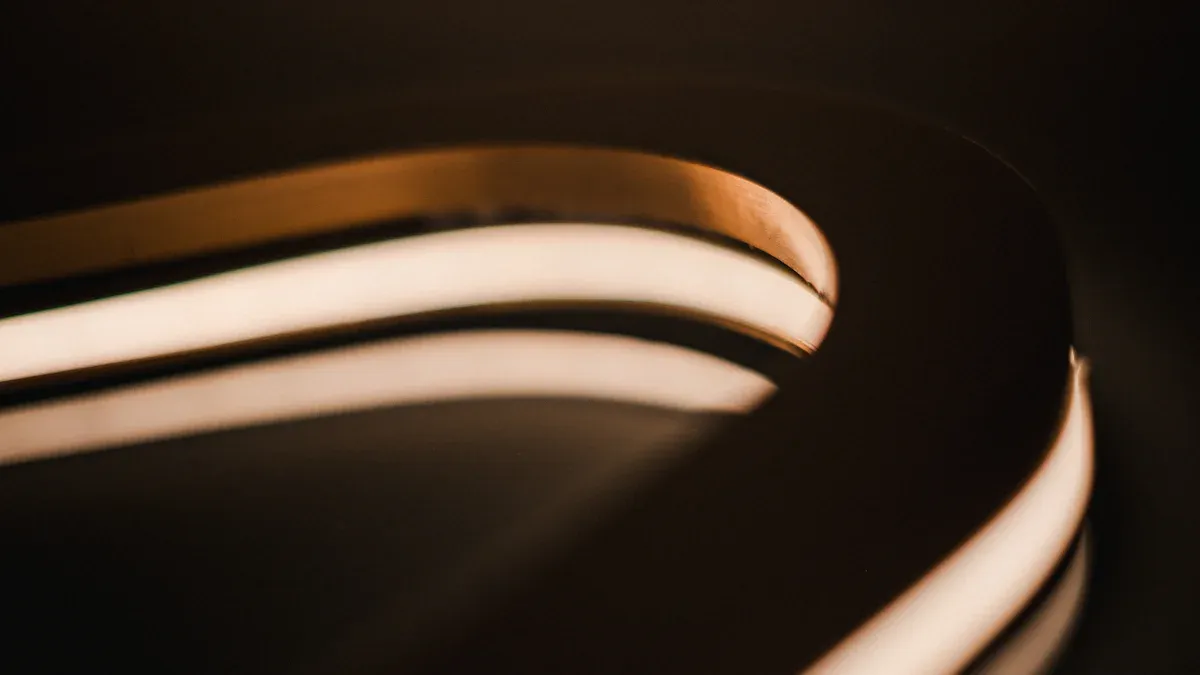
3D bending LED neon represents a significant evolution in architectural lighting. Unlike traditional glass neon tubes that require custom shaping at high temperatures, this modern solution uses a flexible silicone casing that houses LED chips along a continuous circuit board. The construction eliminates the fragility of glass while preserving the luminous effect that designers value. A silicone neon strip bends in multiple directions simultaneously, creating curves that glass simply cannot achieve.
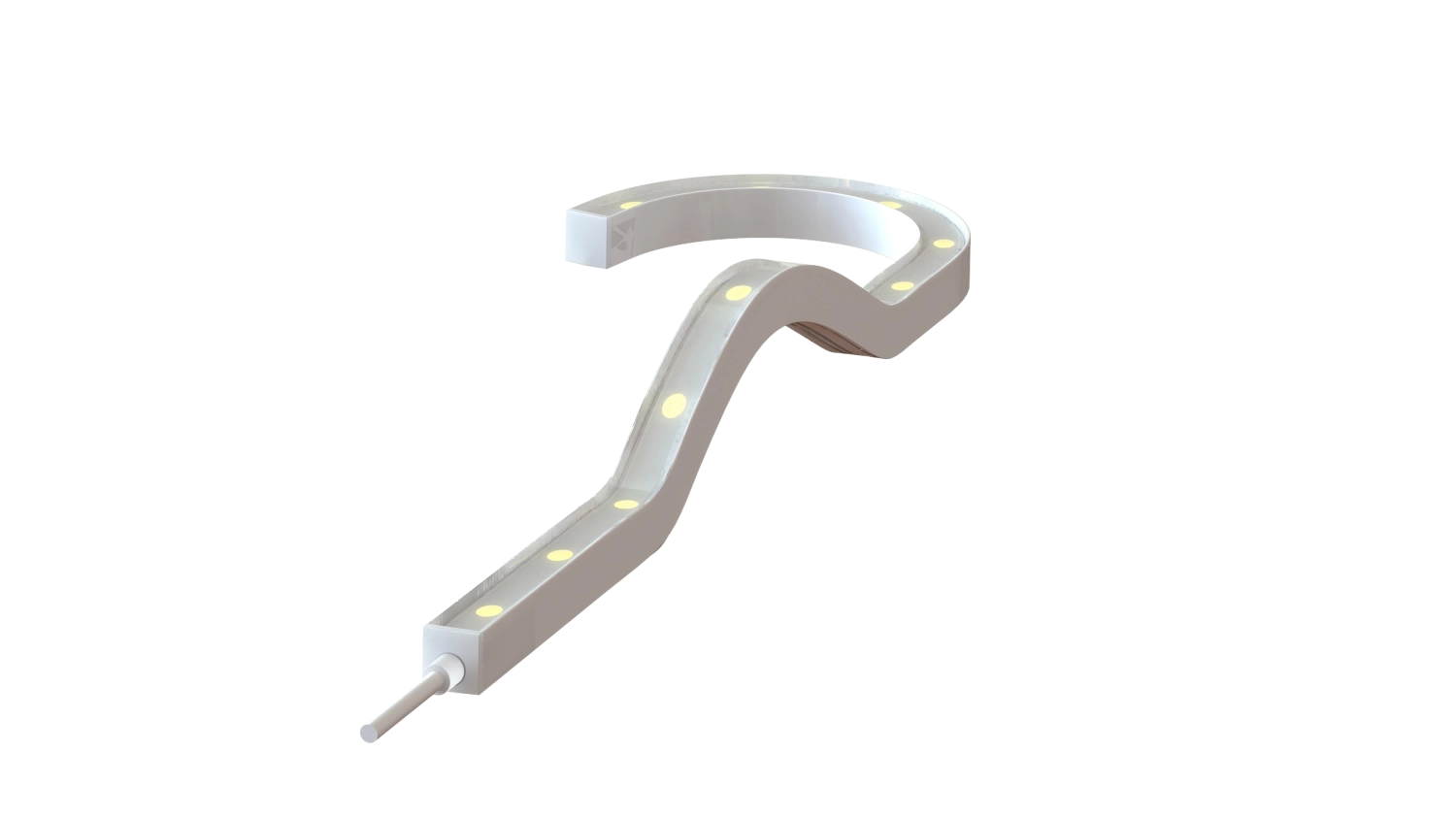
The defining feature of this product lies in its ability to bend both horizontally and vertically within the same installation. Traditional LED strips bend only along one plane, limiting design possibilities. The 3D1616 model, a 16x16mm omni-directional 3D-bending LED neon flex, demonstrates this capability clearly. Manufacturers engineer this product with a minimum bending radius of over 60mm (R>60mm). This specification means the strip can form tight curves without compromising performance.
Bending the led neon flex below its minimum radius overstrains the silicone and internal PCB. This overstrain snaps internal circuits, leading to dead LEDs or uneven lighting. Improper bending can also break internal copper traces and solder joints, causing immediate circuit failure. Exceeding mechanical limits permanently damages the strip, potentially creating hot spots due to uneven current flow or damaged components.
Technicians calculate exact mechanical limits before installation using a straightforward formula: minimum bending radius = multiplier x total flex thickness. For static bends with multilayer conductors, the multiplier is 12. Expert installers add an extra 20-30% safety margin to this calculated bending radius to absorb handling stress. Respecting these calculations prevents permanent circuit damage or optical distortion.
Bending the profile beyond its curvature threshold damages internal conductors. Sharp physical folding destroys surface-mounted LED components and breaks internal circuit wiring, creating dark spots, intermittent flickering, or complete system failure. Heavy physical stress also cracks the outer protective silicone casing, creating serious safety hazards like electrical short circuits.
The 360 neon flex delivers illumination across a full 360-degree arc, meaning light radiates evenly from every surface of the strip. This omni-directional output distinguishes it from standard LED tape that emits light only from the top surface. The result produces a uniform glow that mimics traditional neon signage while offering superior durability.
Outdoor installations require proper ingress protection ratings. The table below outlines common options:
IP Rating | Level of Protection | Common Outdoor Application |
IP65 | Protected from rain, sprinklers, water splashes | Decks, patios, railings, signage |
IP67 | Can be temporarily submerged in water | Around pools, docks, pathway edges |
IP68 | Can be continuously submerged in water | Inside pools and fountains |
IP67-rated led neon strip achieves waterproof protection through a silicone sleeving process. A standard IP20 strip fits fully inside a transparent silicone tube, sealed hermetically at both ends. This creates a hollow tube around the strip, allowing potential future maintenance. In contrast, IP68-rated strips use silicone sleeving with silicone-compound potting. The strip encases in a silicone tube, then fills with liquid silicone that completely encapsulates the LED circuit board before curing into a solid, waterproof barrier. This full-coverage encapsulation ensures complete protection against dust ingress and prolonged submersion.
The high flexibility of this product, combined with proper IP selection, makes it suitable for demanding architectural projects. Designers choose color temperatures such as 2800K warm white to match specific moods. The combination of 360 neon flex technology, careful bending radius adherence, and appropriate waterproofing delivers reliable lighting for curved facades, spiral staircases, and dynamic interior ceilings. This flexible led neon adapts to any contour while maintaining consistent illumination quality throughout its operational life.
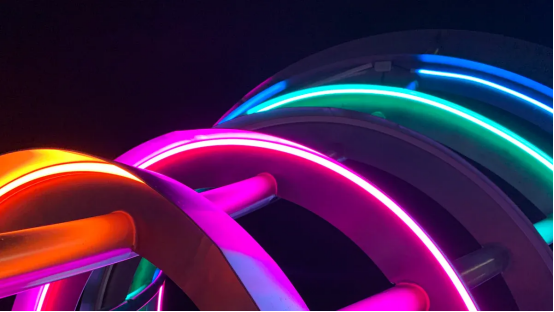
Successful installation of 3D bending LED neon begins with careful planning of the bend direction. Installers must decide whether the strip will curve sideways or over its top surface before mounting begins. Side bending places stress on the outer edges of the silicone casing. Top bending compresses the LED chips against the inner curve. Each approach works well for different architectural scenarios, but mixing them without planning creates unnecessary strain on the internal circuit board.
The installation requires a modest set of tools. Installers need a sharp utility knife, a straightedge ruler, silicone-safe adhesive, mounting clips, and a clean lint-free cloth. A heat gun helps soften the silicone for tight curves, though most bending occurs at room temperature. The work surface must remain clean and dry. Dust or grease prevents proper adhesion and compromises the waterproof seal at connection points.
Surface preparation determines the longevity of the installation. The mounting surface needs a thorough cleaning with isopropyl alcohol. Rough surfaces require sanding to create a smooth contact area. Painted walls need a curing period before adhesive application. Outdoor installations demand additional attention to moisture barriers and thermal expansion gaps.
The following process ensures a reliable installation:
Measure the path. Installers trace the desired curve on the mounting surface using chalk or a soft pencil. They measure the total length along the centerline of the curve, adding extra allowance for connection points and minor adjustments.
Mark the cutting points. The 360 neon flex features marked cutting points along its length. Installers locate the nearest mark beyond the measured distance. Cutting at these designated points preserves the circuit integrity.
Cut the strip. A single firm cut with a sharp utility knife produces a clean edge. Installers avoid sawing motions that crush the silicone casing.
Test the bend. Before mounting, installers gently curve the strip along the traced path. They verify the bending radius stays above the minimum threshold of R>60mm. The strip should curve freely without resistance or visible stress on the casing.
Apply connectors. The installer attaches the appropriate connector to the cut end. They push the connector firmly until it clicks into place. A multimeter confirms continuity before proceeding.
Mount the strip. Installers apply mounting clips every 30-50 centimeters along straight sections. Curved sections require clips at closer intervals, approximately every 15-20 centimeters. The clips hold the strip securely while allowing natural thermal expansion.
Connect the power supply. The installer wires the strip to a properly sized power supply. They verify polarity before energizing the system.
The 360 neon flex can be freely twisted for shapes that require compound curves. This capability allows designers to create helical patterns and spiral forms that would damage traditional LED products. The key constraint remains the minimum bending radius. Exceeding this limit during installation creates permanent damage that voids the warranty.
Proper installation technique transforms a flexible led neon strip into a permanent architectural feature. The combination of careful planning, clean surfaces, and respectful bending produces lighting that lasts for years. Installers who master these steps can confidently tackle curved facades, undulating ceilings, and sculptural installations.
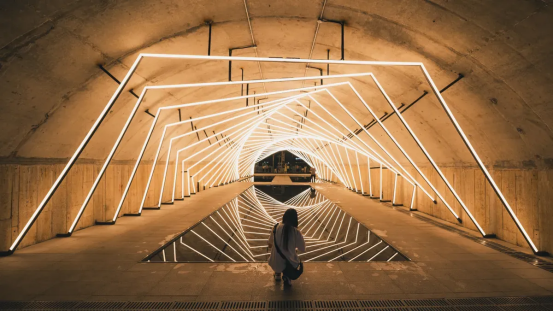
The 360 neon flex transforms building exteriors into landmarks. This bending capability traces architectural outlines along every curve. The material follows shapes that traditional sources cannot handle. Large scale façade lighting projects benefit from fumed silicone durability. This curved architecture approach defines the building. The bending process needs attention. For curved architecture projects, fumed silicone works best.
Material Type | Yellowing Resistance (UV) | Temperature Suitability |
Fumed Silicone (Premium) | 5-7+ years | Outdoor; -40°C to 232°C |
Precipitated Silicone | 0.5-1 years | Short-term lighting only |
Standard PVC | 3-6 months | Not recommended for outdoor use |
Fumed silicone resists yellowing for over five years. It remains flexible through temperature swings. UV exposure degrades cheaper materials. The seamless construction of quality led neon strip prevents water damage. This material delivers reliable illumination. Designers match the illumination to the mood. The decorative aesthetics of continuous neon lines enhance the building. The led neon strip follows the wall. The strip requires careful bending.
Interior spaces gain a new dimension with 360 neon flex. Designers create flowing lines along spiral staircases. Small radius designs allow tight curves. The decorative effect of continuous lines adds sophistication. This decorative approach transforms rooms. The decorative lighting creates atmosphere. This decorative solution works well for many applications. The 360 neon flex delivers illumination around every surface. The led neon flex works for curved walls. This glow creates an immersive architectural lighting experience. Warm white produces an artistic atmosphere. The artistic atmosphere enhances the design. The artistic atmosphere creates a unique experience. The artistic atmosphere draws visitors.
The design freedom offered by 3D bending transforms architectural lighting. The material bends freely in multiple directions. This flexibility makes it ideal for decorative signage. The bending radius must stay above R>60mm. This bending constraint ensures reliable performance. Proper bending technique prevents damage. The bending of the strip follows the curve. The bending of the curve follows the strip. Installers must respect the bending radius. This led neon flex adapts to any curved architecture. This architectural lighting solution transforms spaces. This technology redefines curved architecture. The illumination quality remains consistent. The 360 neon flex follows every curve precisely.
The most frequent installation error involves exceeding the minimum bending radius. Manufacturers engineer the 360 neon flex with a threshold of R>60mm. Installers who force the strip into tighter curves risk permanent damage. The internal PCB and copper traces snap under excessive strain. This damage creates dark spots, intermittent flickering, or complete circuit failure.
Hot spots represent another consequence of over-bending. When the bending radius compresses the silicone casing unevenly, light output concentrates in specific areas. The illumination quality degrades noticeably. The led neon strip also suffers from micro-cracks in the solder joints. These cracks worsen over time as thermal expansion stresses the weakened connections.
Installers should test each curve before mounting. They gently form the strip along the intended path and observe any resistance. A proper bending radius allows smooth, effortless curves. The 360 neon flex should never show visible stress marks or whitening on the silicone surface. These signs indicate the material has exceeded its elastic limit.
Improper power supply sizing causes voltage drop and reduced brightness in long runs. Thin wires increase resistance, leading to significant voltage loss at the far end. An overloaded transformer overheats and cannot maintain consistent voltage output. Both scenarios produce gradual dimming along the strip length.
Installers should follow a clear calculation method for any led neon flex project. First, they multiply the power consumption in watts per meter by the total installation length. For a 20-meter run, this equals 20 × W/m. Second, they apply the 20% safety headroom by dividing the total wattage by 0.8. This ensures the power supply operates below 80% of its maximum capacity. Third, they round up to the nearest standard power supply size. Never select a unit rated exactly at the minimum load.
Step | Calculation Method | Application to 20m Installation |
1. Total Wattage | Length × W/m | 20m × W/m |
2. Recommended Wattage | Total Wattage ÷ 0.8 | (20m × W/m) ÷ 0.8 |
3. Final Selection | Round up to nearest standard size | Choose a wattage greater than the recommended value |
Waterproof connectors matter for outdoor neon installations. Installers must verify the connector rating matches the strip's IP classification. A mismatched connector compromises the entire waterproofing system. Moisture seeps into the connection point and corrodes the exposed terminals. This corrosion leads to short circuits and premature failure.
Voltage measurement provides a reliable diagnostic. Installers measure voltage at both the input and far end of the run. A difference exceeding 5% indicates excessive voltage drop. Upgrading the wire gauge or adding parallel feed points corrects this issue. Proper planning prevents these problems before installation begins.
3D bending flexible LED neon redefines architectural lighting. Its versatility allows designers to trace curves that traditional glass tubes cannot follow. The durability advantage is clear: flexible silicone resists impact and weather, while glass breaks easily. Traditional glass lasts 8–15 years, but high-quality LED products run 30,000–50,000 hours with minimal maintenance.
Market projections confirm this momentum. The flexible lighting segment grows at 5.3% annually through 2033, while the wider market expands at 5.9% through 2034. Proper bending techniques make this technology accessible to both professionals and advanced DIYers. The radius rules remain simple to follow.
Experiment with this lighting solution and transform your next project into a landmark of light and design.
The 360 neon flex requires a minimum bending radius of R>60mm. Bending radius below this threshold overstrains the silicone casing. Proper bending radius prevents damage.
Exceeding the bending radius limit damages the internal PCB. Bending radius compliance prevents hot spots. The radius must stay above R>60mm.
Yes, with proper IP rating. The 360 neon flex with IP67 works outdoors. The led neon strip uses fumed silicone for UV resistance. The strip resists yellowing. The radius requirement protects the strip. Outdoor lighting needs waterproof connectors. The 360 neon flex handles weather well.
Installers locate marked cutting points on the strip. They test the bending radius. The bending radius must stay above R>60mm. The radius ensures proper bending. Proper bending preserves the strip. This approach follows curved architecture.
Please provide the following detailed information so that our business representatives can better understand your needs and get in touch with you as soon as possible.