
 EN
EN
 English
 繁体中文
繁体中文 Italian
 Greek
Greek Spanish
 Hebrew
 Japanese
 Portuguese
 Korean
 Russian
 French
 German
 Arabic
Blog & Events
Follow NOVANEON for more valuable information to know early
Follow NOVANEON for more valuable information to know early
Sep 21Source: Views: 1
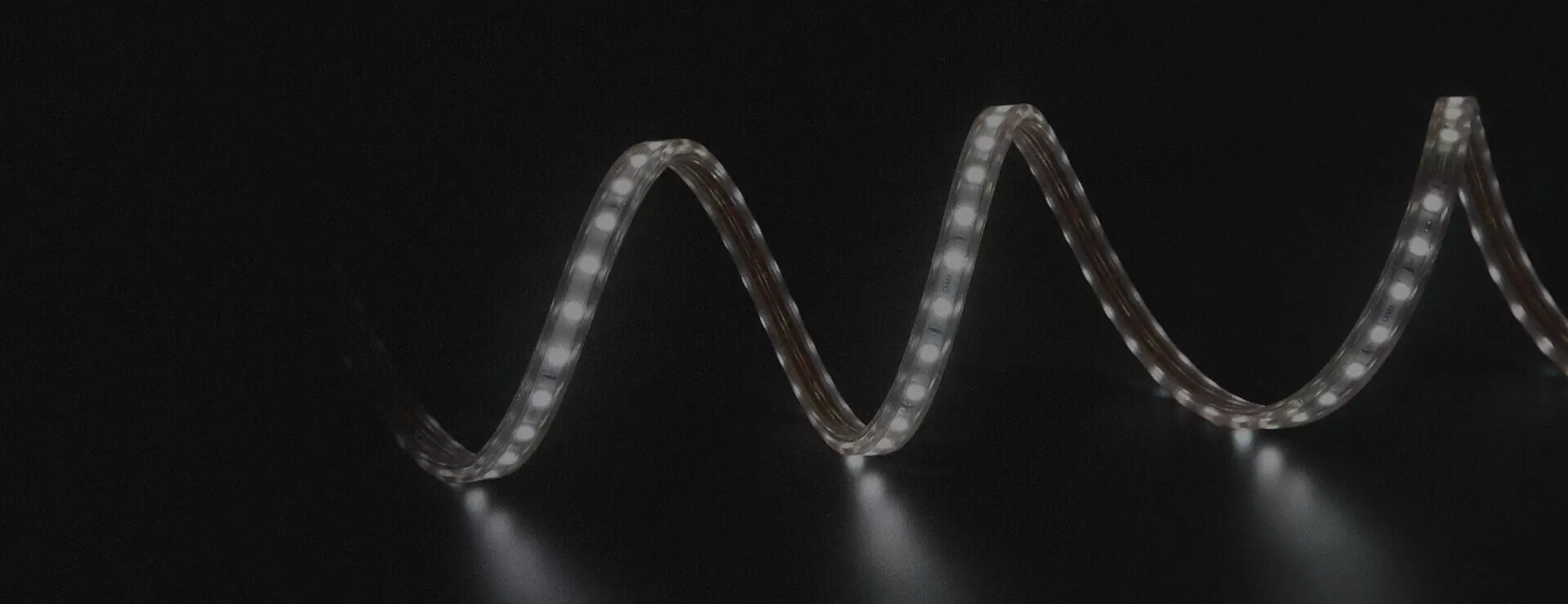
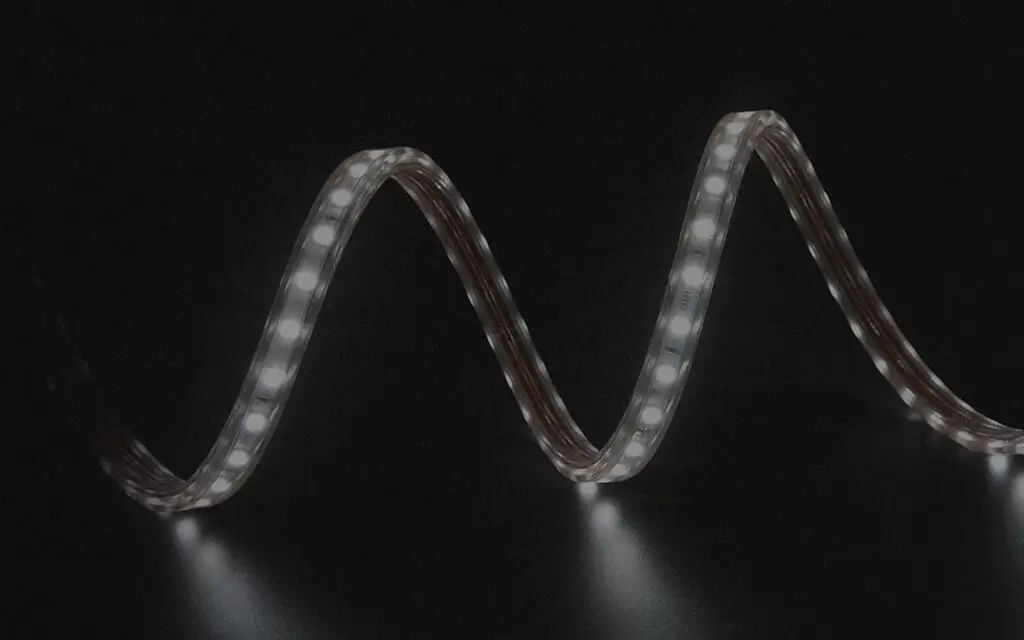
A bare LED strip often creates an uneven dotted line instead of smooth light. The led strip dotting effect frustrates anyone seeking a clean, professional look. The solution involves three critical factors: width match, heat dissipation, and diffuser choice. These elements work together as a system. Visual uniformity depends on the relationship between LED pitch, optical depth, and diffuser quality.
NOVANEON's Optical LED Linear & Suit line demonstrates how precision-engineered components simplify this process. Their led linear wall washer models and rigid light bars show what proper engineering achieves. When professionals pair aluminium profiles with led flex correctly, the results transform completely. Understanding led strips vs led profiles helps buyers make informed decisions. This guide explains how to eliminate dotting and achieve flawless illumination.
Matching the correct channel to the right LED strip is a fundamental step when professionals pair aluminium profiles with led flex. This compatibility directly influences light uniformity and fixture longevity. NOVANEON's product range shows how varied profile widths accommodate different strip types. The NW2925L wall washer works with wider strips for high-output applications, while the PV1311L rigid light bar suits standard 10mm strips. Understanding the relationship between led strips vs led profiles helps users select the correct combination.
Accurate measurement of both the LED strip width and the internal channel width prevents installation errors. Common strip categories include 8mm, 10mm, and 12mm widths. Multi-row strips can reach up to 120mm. The led strip width determines the minimum channel size.
An led profile size must match the strip closely. A channel that is too narrow damages solder joints, especially on waterproof strips with silicone coatings. A 2mm clearance is advisable for such strips. A channel that is too wide destabilizes the strip and misaligns the diffuser. Proper matching aluminum profile sizes guarantees stable mounting and proper diffuser fit. Plaster-in channels, when paired with high-density strips, create a seamless, hotspot-free line of light. The compatibility between strip and channel also affects heat transfer.
A detailed led strip and aluminum profile compatibility table serves as a quick reference for led profile selection. The table below summarizes recommended internal channel widths based on strip width.
| LED strip width | Recommended internal channel width | Effect on lighting quality |
|---|---|---|
| 8 mm (narrow) | 10–12 mm | Supports stable mounting and proper diffuser fit |
| 10 mm (standard) | At least 12 mm | Ensures good heat transfer and avoids poor fit |
| 12 mm or RGBW | 14–16 mm | Prevents crowding and performance issues |
| High-power / dual-row | >16 mm, deep profile | Supports heat dissipation and thermal stability |
Using a led strip and led aluminum channel compatibility guide like this improves brightness stability and lifespan. NOVANEON provides optical-grade diffusers in their linear suites that work with these sizes. Selecting the correct led profile size ensures that the diffuser sits correctly, eliminating glare and pixelation.
When professionals pair aluminium profiles with led flex with this guide, they achieve spotless lighting. Remember that led strips vs led profiles involves more than width; depth and diffuser type also matter, but width is the starting point. Knowing the led strip width is the first step in channel selection.
Every LED strip carries a wattage rating per meter, such as 20W/m. This value represents the electrical input and the approximate heat load the strip produces. Only 15-25% of that electrical energy converts to visible light. The remaining 75-85% transforms into heat. Without proper dissipation, this heat accumulates and damages the LEDs.
Heat is the silent killer of LED strips. Research shows that for every 10°C increase in operating temperature, LED lifespan decreases by half.
Poor heat dissipation causes several problems:
These effects degrade lighting quality rapidly. A strip that loses brightness or shifts color defeats the purpose of a professional installation. Aluminum channels mitigate these risks effectively. NOVANEON constructs its profiles from high-grade 6063-T5 aluminum. This material conducts heat efficiently. The extruded bodies often include fin patterns that increase surface area. These channels act as essential heat sinks. Proper matching between strip wattage and channel design prevents premature dimming. Understanding led strips vs led profiles helps users select the right solution for each application. For instance, a high-output wall washer like the NW2925L pairs with a deeper channel to manage its higher wattage.
Profile depth directly affects thermal performance. Deeper profiles contain more aluminum mass. They also provide greater surface area for heat exchange. A shallow channel cannot dissipate heat from a high-power strip effectively. For example, a 20W/m strip requires a deeper profile than a lower-wattage strip. Manufacturers often specify minimum profile depths for different power levels.
When making led profile selection, professionals must consider both width and depth. The internal channel width must match the strip width precisely. This contact ensures efficient heat transfer from the PCB to the aluminum. An incorrect fit leaves air gaps that insulate the strip. The led profile size should also accommodate the strip's height, especially for waterproof coatings. Some deep channels include mounting features for extra stability.
NOVANEON offers profiles with varying depths to match different power levels. Their optical-grade diffusers complete the system, but the aluminum channel remains the primary thermal management component. This led strip and led aluminum channel compatibility guide emphasizes that heat management is as critical as light uniformity. A proper depth choice ensures stable light output and long LED life. Without it, even the best diffuser cannot prevent degradation.
The led profile diffuser determines whether an LED installation produces a smooth glow or an uneven dotted line. This component transforms point-source illumination into a blended luminous field. Understanding how different materials and densities affect light output helps professionals achieve dot-free lighting in any application.
The choice between clear vs. frosted vs. opal diffusers shapes the final visual result. Clear diffusers offer maximum light transmission and provide some protection for LED chips. However, they do not eliminate led strip dotting. Individual diodes remain visible through a clear cover. Frosted diffusers scatter light to create a softer effect and reduce glare. Opal diffusers blend LED points completely and create a softer luminous surface. The goal of opal diffusers is to eliminate visible LED points and improve visual comfort.
Material selection also matters. Polycarbonate offers high impact resistance and suits vibration-prone environments. Acrylic resists UV yellowing better and scratches less easily. Silicone diffusers work well for curved surfaces, though their optical properties are less refined than rigid plastics.
A milky white, high-atomization led profile diffuser ensures a surface free of particles, ripples, and streaks. This type supports better light uniformity across the entire fixture length. For even LED strip light profiles, professionals should prioritize this option.
Diffuser density directly affects dot concealment and light transmission. Higher transmission yields brighter output, but greater diffusion typically results in lower transmission. This trade-off means the transmission rate of a led profile diffuser is inversely related to its scattering ability. Lower transmission with more scattering generally leads to more uniform light output.
The distance between the LED source and the diffuser surface is critical for eliminating dotting. For a milky diffuser, minimum required depths follow specific ratios. A 30 LEDs per meter strip requires more than 20mm depth. A 60 LEDs per meter strip requires 12-15mm. A 120 LEDs per meter strip requires 7-10mm. COB strips require only 3-5mm. Higher LED density requires less channel depth to eliminate dot visibility.
The sweet spot for diffuser distance is around 8-15mm depending on LED pitch and diffuser opacity. Too close and individual diode patterns may still be visible. Deeper channels improve diffusion and reduce hotspots. Combining high-density or COB LEDs with appropriate diffusers and channels significantly reduces dotting and achieves uniform output.
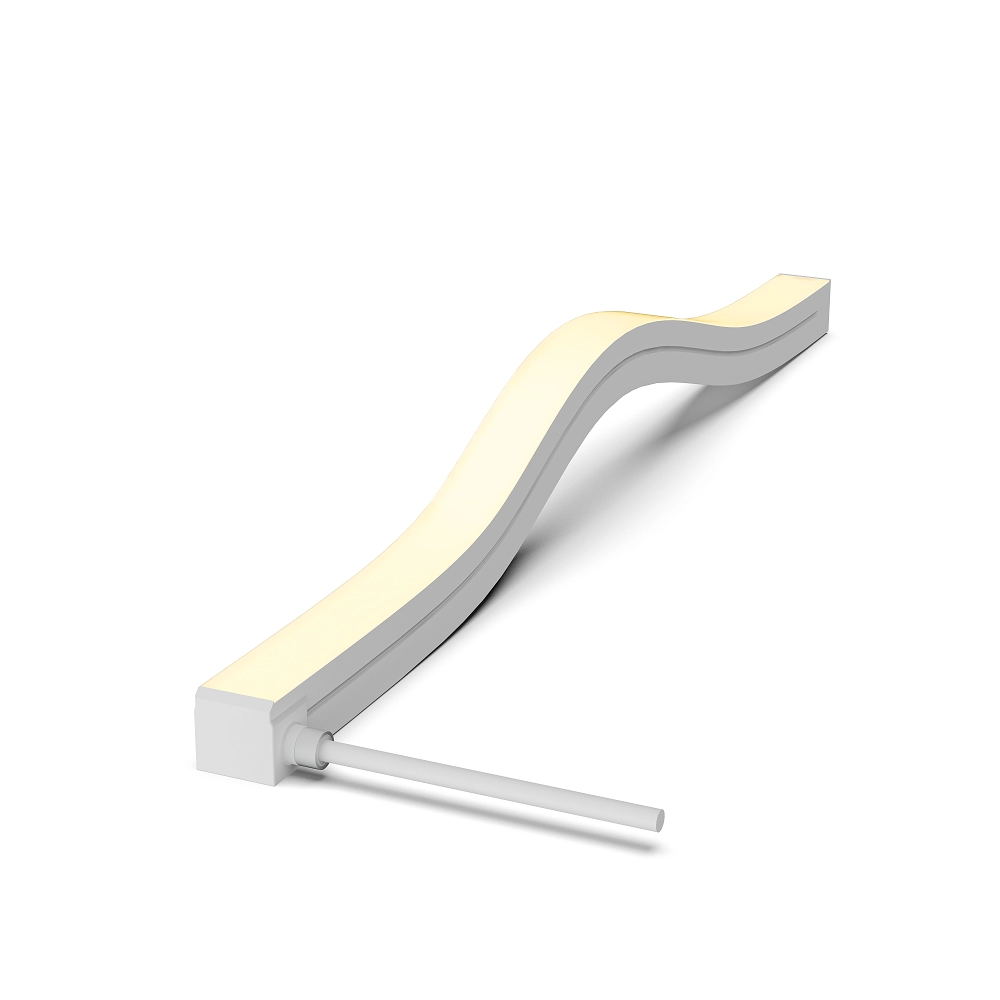
NOVANEON's optical-grade diffusers in their linear suites guarantee uniformity. Their led profile selection includes options engineered for different applications. The PV5025L and PV5045L linear neon solutions deliver the classic neon aesthetic with modern LED efficiency. These products create a continuous uniform line of light without visible interruption.
Selecting the correct led profile diffuser requires balancing uniformity against efficiency. Testing with actual materials and viewing distances validates the final result. This compatibility between strip, channel, and diffuser ensures professional-grade illumination.
The mounting method determines whether a lighting project lasts for years or fails within months. Surface preparation is the foundation of every successful led strip mounting job. Installers should follow the clean, dry, test protocol using isopropyl alcohol. Dust, oil, and moisture cause adhesive failure on any mounting surface. A dusty or damp mounting surface weakens the bond and leads to sagging strips. Common led strip installation mistakes include skipping this step entirely. Professionals spend more time on surface preparation than on sticking the strip itself. This single habit prevents most installation mistakes.
Aluminum mounting channels provide mechanical fastening, heat dissipation, and protection from dust and impact. The table below compares bare strips with channel-mounted systems.
| Feature | Bare LED Strip | LED in Aluminum Channel |
|---|---|---|
| Heat Dissipation | Poor — strips overheat | Good — aluminum acts as heat sink |
| Durability | Adhesive can peel over time | More secure, longer lifespan |
| Aesthetic | Visible diodes, glare | Diffused light, clean finish |
Metal mounting surfaces work well because metal conducts heat away from the strip. Rough surfaces like concrete or brick require mechanical fasteners instead of direct adhesion. Wood and drywall need sealed finishes before any led strip mounting begins. Plastics demand an adhesion promoter or a separate mounting structure. These pro tips for flawless led installation apply to every substrate type.
The choice between surface and recessed mounting depends on ceiling height and design goals. Recessed mounting suits lower ceiling heights. It delivers a clean, minimalist look for high-end offices, retail stores, and hotel lobbies. New construction projects allow pre-cut recesses during building. Retrofits make this mounting method more complex and costly. Surface mounting offers simpler access for maintenance and repairs.
Both approaches require smooth, sealed, stable surfaces for reliable adhesion. Recessed installations hide the fixture body and create a seamless ceiling appearance. Surface installations expose the profile but simplify future service. Each mounting method carries distinct trade-offs in cost and maintenance access.
Corners demand careful planning to avoid dark gaps and misaligned joints. Installers position led aluminum mouldings at the 90-degree wall-ceiling corner for smooth transitions. COB LED strips inside these moldings achieve point-free illumination around corners. Crown molding channels direct light upward and wrap ambient glow around the room.
Curved applications require flexible profiles that follow columns, arched structures, and irregular walls. Bendable profiles use repeated cuts or perforations in their mounting wings. Installers must respect the minimum bending radius and bending direction. Forcing a profile beyond its mechanical limits causes twisting or diffuser damage. NOVANEON's PV5025L linear neon solution handles curved mounting with modern LED efficiency. Flexible connectors join strip sections at corners and prevent led profile installation mistakes. These techniques support flawless led installation across complex geometries.
Three steps separate a dotted strip from a dot-free light line. First, match channel depth to LED pitch. Second, select a milky led profile diffuser. Third, size internal width to the led strip width plus 1–2 mm.
| Step | Key Requirement |
|---|---|
| Depth match | Depth equals or exceeds LED pitch |
| Milky diffuser | Milky white diffuser |
| Width clearance | PCB width plus 1–2 mm |
Spotless lighting rewards careful pairing. Professionals who pair aluminium profiles with led flex correctly avoid common led strip installation mistakes. Use a compatibility guide or NOVANEON's Optical LED Linear & Suit selector for matching aluminum profile sizes. Measure your strip, choose your profile, and enjoy a flawless light line.
Visible dots appear when individual diodes remain distinguishable through the diffuser. A clear cover does not scatter light effectively. Opal or heavily frosted diffusers blend the points into a smooth line. Channel depth also matters. Higher LED density requires less depth to eliminate dotting.
Aluminum channels act as heat sinks. They draw heat away from the LED chips and spread it across the profile surface. This thermal management prevents premature dimming and color shifting. NOVANEON builds profiles from high-grade 6063-T5 aluminum with fin patterns that increase surface area for better cooling.
A milky white, high-atomization diffuser delivers the best results. This type scatters light evenly and hides individual LED points. Opal diffusers balance uniformity and brightness. Clear diffusers offer maximum transmission but leave dots visible. Frosted options reduce glare but may not fully eliminate dotting.
Proper led strip mounting starts with surface preparation. Installers clean the surface with isopropyl alcohol to remove dust and oil. They apply double-sided tape or adhesive and press the strip firmly into the channel. Flexible connectors join sections at corners. This mounting method prevents sagging and adhesive failure over time.
Skipping surface preparation ranks as the most frequent error. Dust and moisture weaken adhesive bonds and cause strips to peel. Other installation mistakes include forcing profiles beyond their bending radius and mismatching strip width to channel size. Each error degrades light quality and shortens fixture lifespan.
Please provide the following detailed information so that our business representatives can better understand your needs and get in touch with you as soon as possible.