 EN
 English
 繁体中文
 Italian
 Greek
 Spanish
 Hebrew
 Japanese
 Portuguese
 Korean
 Russian
 French
 German
 Arabic
Blog & Events
Follow NOVANEON for more valuable information to know early
Follow NOVANEON for more valuable information to know early
Sep 22Source: Views: 279
Custom LED flex neon signs are flexible, lightweight lighting products that use light-emitting diodes to mimic the glow of traditional glass neon. These signs suit commercial storefronts and branding because they combine low operating costs with broad design freedom. LED signs consume up to 80% less energy than glass neon, and businesses that use illuminated signage reportedly see a 50% increase in foot traffic. Owners often ask how much custom neon signs cost, how they compare with glass neon, what design options exist, and what installation requires. Answers to these questions help a business choose signage that attracts customers and strengthens brand recognition.
· LED neon signs use 80% less energy than glass neon and last over 50,000 hours, saving money and reducing maintenance.
· You can customize colors, fonts, and shapes to match your brand and attract more customers.
· Costs depend on size, design, and material. Get multiple quotes and plan for extra costs like permits and installation.
· Plan ahead for installation. Check local rules and get permits before you order your sign.
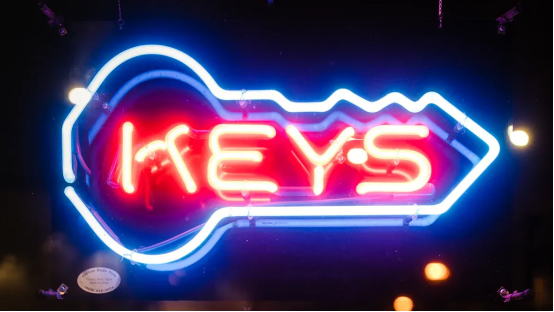
Custom neon signs are flexible, lightweight LED-based signage products that mimic the appearance of traditional glass neon. They use light-emitting diodes encased in a flexible silicone or PVC jacket. This design allows the tubing to bend into letters, logos, and shapes without the fragility of glass. Businesses choose custom neon signs because they offer design freedom, low energy use, and long service life.
NOVANEON's Classic Flexible Neon series provides a reliable example of high-performance LED neon solutions. The collection includes models such as NH0712C, NH0712A, PV1010S, NH1118S, NH1120M, NH1120A, NH1617S, and NH2020S. Each model delivers consistent, uniform illumination and easy installation. These products suit building facades, architectural features, and accent lighting. The series works indoors and outdoors, so a business can use the same product family across multiple applications.
A led neon-style sign operates by passing current through a series of small LEDs mounted on a flexible circuit board. The board sits inside a colored, translucent jacket. When powered, the LEDs emit light that diffuses through the jacket to create a smooth, continuous glow. This construction allows the tubing to bend around corners and follow complex shapes.
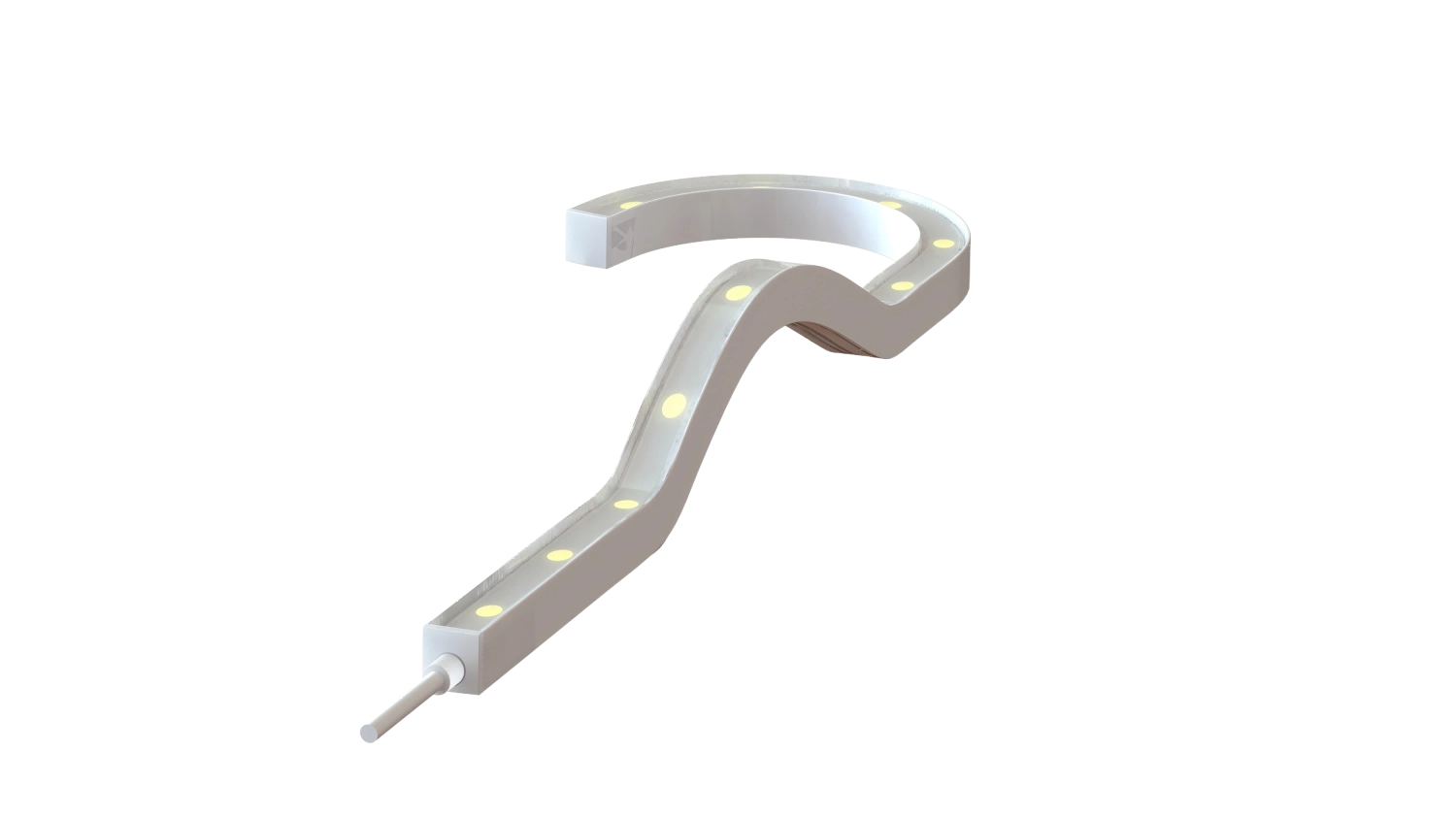
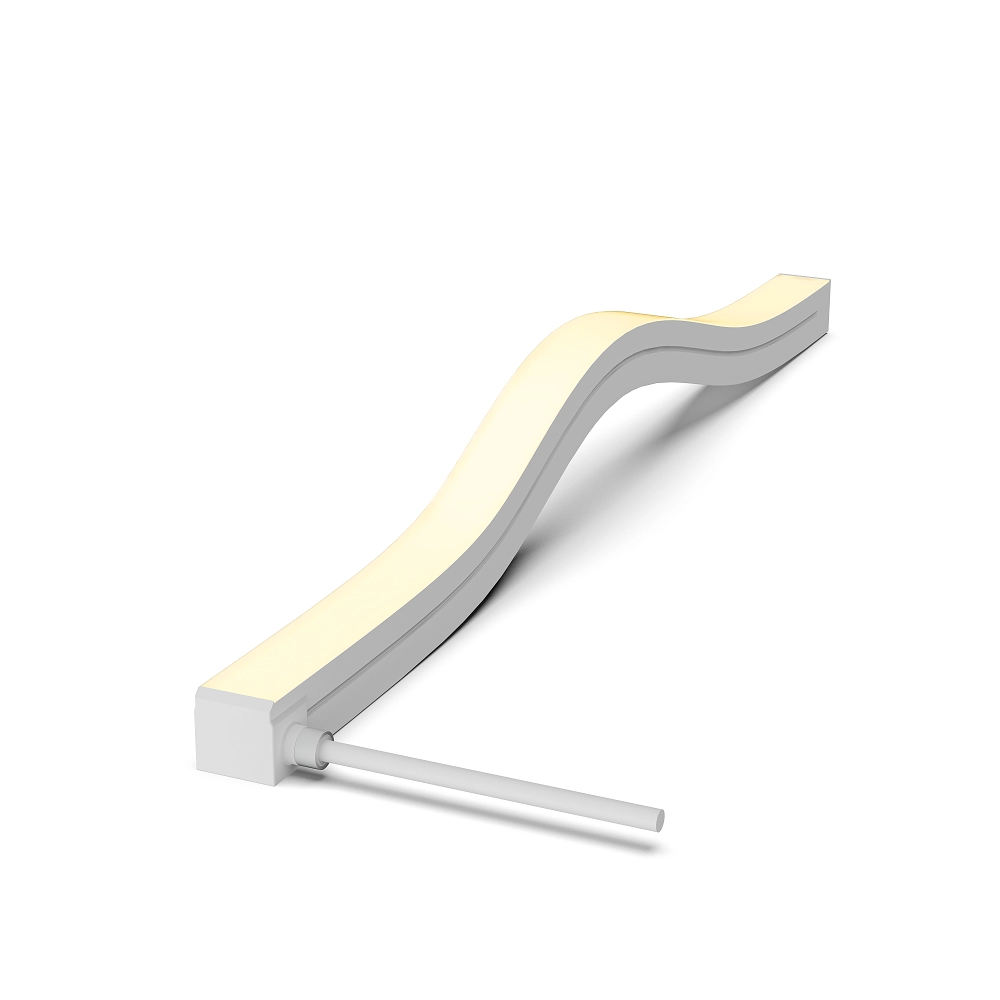
The minimum bending radius depends on the bend orientation. For top bend neon flex, the minimum bending radius generally falls between 30 mm and 60 mm. For side bend neon flex, the minimum bending radius is typically larger, usually around 50 mm to 80 mm. A led neon-style sign with a side bend design requires more space because the LEDs and circuit board undergo lateral stretching.
Model | Bend Type | Size (mm) | Minimum Bending Radius |
T1313R | Top bend | 13 × 13 | 60 mm |
S0410 | Side bend | 4 × 10 | > 30 mm |
S0612 | Side bend | 6 × 12 | > 30 mm |
3D1616 | Omni-directional 3D bend | 16 × 16 | > 60 mm |
A led neon-style sign offers several practical benefits for commercial storefronts. First, these products consume far less power than traditional glass neon. Second, they resist breakage and handle outdoor conditions well. LED signs last over 50,000 hours on average. Weatherproof versions can last between 50,000 and 100,000 hours, which equals roughly 6 to 11 years of continuous use. Modern LED-based custom neon lights can operate for over 30,000 to 50,000 hours.
A led neon-style sign also gives businesses flexibility in design. Owners can order custom neon signs in specific colors, fonts, and shapes. A led neon-style sign can display a brand logo, a handwritten slogan, or a decorative symbol. These features make custom neon signs a strong choice for storefront branding. Many businesses find that custom neon signs attract attention and improve customer recognition. The durability and efficiency of led neon signs reduce long-term operating costs. For these reasons, led neon signs continue to grow in popularity among retailers, restaurants, and service providers.
Cost remains a primary consideration for any business investing in storefront signage. Custom neon signs offer a wide price range based on size, materials, design complexity, and installation needs. Understanding these cost drivers helps buyers make informed choices and avoid unexpected expenses.
The size of a sign directly affects its price. Small logos or short quotes fall into the lowest tier, while large storefront installations require significantly more tubing and labor. The following table shows typical price ranges for commercial LED neon signs:
Sign Type | Estimated Price |
Small logo or quote | $250–$500 |
Medium business logo | $500–$1,200 |
Large storefront sign | $1,200–$3,000+ |
Outdoor commercial sign | $2,000–$10,000+ |
Design complexity adds another cost layer. Intricate shapes, logos, and multi-line text demand more craftsmanship and longer LED tubing. For instance:
· Double-lined text: Nearly doubles the tubing required, increasing cost.
· Intricate logos and illustrations: Require more tubing and precise bending, raising price.
· Dense or script-heavy designs: Use more linear tubing than simple block fonts, adding to cost.
Design complexity, such as intricate shapes, logos, or multi-line text, requires more craftsmanship and longer LED tubing, which increases the total price of a custom neon sign.
Beyond size and design, the choice of tubing material plays a major role in the final quote. Silicone and PVC are the two common options. Silicone LED neon flex lasts longer outdoors and resists UV damage, while PVC suits temporary indoor use. The table below compares these materials:
Property | Silicone LED Neon Flex | PVC LED Neon Flex |
Lifespan (outdoor) | 50,000+ hours | 8,000–15,000 hours |
UV resistance | Excellent — no yellowing for 5+ years | Poor — yellows and becomes brittle |
Temperature range | -50°C to +150°C | -15°C to +80°C |
Waterproof rating | IP67 / IP68 achievable | Limited, typically IP65 max |
Cost | Higher initial investment | Lower initial investment |
Best use case | Outdoor, long-term, complex designs | Indoor, temporary, low-budget projects |
For businesses that need durable neon signs for outdoor use, silicone tubing justifies the higher upfront cost through longer service life and fewer replacements.
Lighting type also affects pricing. Standard white LEDs cost less than color-changing RGB options. Installation requirements add further variability. Professional mounting, electrical work, and permit fees can increase the total investment. Some business owners choose DIY installation to save money, but this may void warranties or violate local codes.
Made-to-order delivery options offered by companies like Neon Signs Depot add another layer to the final cost of neon signs. U.S.-based manufacturers often include shipping and handling in their quotes, though rush orders and custom framing may incur surcharges. Requesting multiple quotes and clarifying what each price includes helps businesses compare offers fairly.
Business owners comparing signage options often weigh led neon signs against traditional glass neon. Both products produce a bright, continuous glow. Their differences in power draw, durability, and maintenance shape the long-term value each option delivers.
A led neon-style sign consumes roughly 80% less power than a traditional glass neon sign of similar size. The table below shows the wattage difference per linear foot.
Sign Type | Power Consumption (watts per linear foot) |
Traditional glass neon | 15–20 |
LED neon | 3–4 |
Difference (glass minus LED) | 12–16 |
A 5-foot led neon-style sign would draw 60–80 fewer watts than its glass counterpart. Over a full year of daily operation, that gap translates into meaningful savings on every utility bill. A led neon-style sign also handles physical stress far better. Glass tubing shatters on impact, while the flexible jacket of led neon signs absorbs vibration and minor collisions. Outdoor led neon signs resist rain, dust, and temperature swings without cracking. A led neon-style sign rated for 50,000 hours will run for about 5.7 years of continuous use. A premium led neon-style sign rated for 100,000 hours lasts roughly 11.4 years under the same conditions. Traditional glass neon signs commonly last 8 to 15 years regardless of daily runtime.
LED neon signs are rated up to 40,000 hours (approximately 4.56 years if used continuously), whereas traditional glass neon signs can last over 40 years with occasional maintenance, as long as the glass tubes remain intact.
Glass neon signs demand regular professional service. The tubes contain low-pressure gas, and a single crack can extinguish an entire section. Repair calls, gas refills, and transformer replacements add up over time. A led neon-style sign contains no glass and no gas. When one LED fails, the rest of the strip continues to glow. Most led neon signs need only occasional cleaning. That low maintenance profile reduces total cost of ownership across the product's life. A led neon-style sign also installs faster because it weighs less and bends around corners without custom glasswork. Businesses that choose led neon signs for storefronts avoid the recurring labor costs tied to glass tube repair. The upfront price of a led neon-style sign may exceed a basic glass unit, yet the energy savings and reduced service calls close that gap within a few years. For high-traffic commercial storefronts, led neon signs deliver a lower lifetime cost and fewer operational interruptions. Owners who select led neon signs gain a signage solution that protects both their budget and their brand image over the long term.
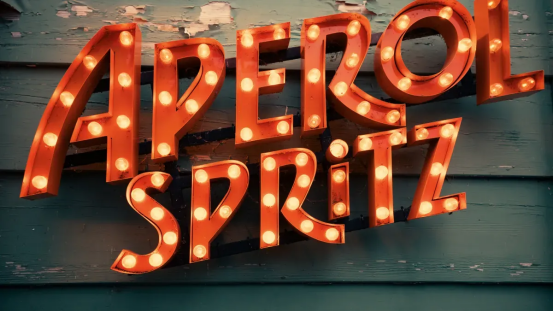
Custom neon signs offer extensive design flexibility. Businesses can request brand logos, handwritten-style lettering, symbols, and decorative elements. A restaurant might choose a script font for an elegant feel, while a tech startup might prefer clean, geometric shapes. These choices shape how customers perceive a storefront before they ever walk inside.
Color temperature plays a critical role in setting the right mood. The table below shows common options available for commercial neon signs.
Color Temperature | Kelvin Range |
Cool White | 10,000 K – 12,000 K |
Daylight White | 5,750 K – 6,570 K |
Natural White | 4,200 K – 4,650 K |
Warm White | 3,050 K – 3,350 K |
Cool white suits modern, high-energy environments. Warm white creates a cozy, inviting atmosphere for cafes and boutiques. Businesses can also select colored LEDs to match specific brand palettes.
Signage should reinforce the brand's tone and aesthetic. A luxury brand might use thin, elegant lettering in warm tones. A playful brand might choose bold, rounded fonts in bright colors. The sign's shape and placement should complement the storefront architecture and interior design.
NOVANEON's R&D focus and certifications serve as a quality indicator for custom design work. The company's commitment to research and innovation ensures that each product meets high standards of quality and performance. This matters when a business invests in custom neon signs that must last for years.
Consistency across all touchpoints strengthens branding. The same font, color, and style used on a website should appear on the storefront sign. This repetition builds recognition and trust. A well-designed sign does more than illuminate a space. It communicates the brand's personality and values to every passerby.
Indoor placement gives businesses more freedom. A storefront can mount neon signs on a wall, suspend them from a ceiling, or rest them on a shelf. Indoor units face no rain, wind, or direct sunlight. A business can therefore choose lighter mounting hardware and simpler wiring.
Outdoor placement demands more planning. The installer must seal every connection against moisture and secure the sign against wind loads. Outdoor neon signs also need a weatherproof power supply and UV-resistant tubing. NOVANEON's Classic Flexible Neon products withstand various environmental conditions, which makes them suitable for both indoor and outdoor use. A business that plans to move a sign between locations should confirm the product rating before purchase.
Most commercial and mixed-use zones allow lighted signs, but local rules govern brightness, size, and placement. Brightness levels must comply with DOB standards. Sign size is restricted based on frontage and building height. The table below shows how four commercial zoning districts treat sign area, height, and illumination.
Commercial Zoning District | Max Sign Area | Max Sign Height | Illumination Rule |
C1 & C2 (Local Retail) | 150 sq. ft. per sign | 25 ft above curb | Steady, non-flashing internal illumination only |
C3 (Waterfront) | 50 sq. ft. | Not specified | All illumination strictly prohibited |
C4 & C6 (General Commercial) | 500 sq. ft. | 40 ft | Flashing and halo-lighting allowed |
C5 (Restricted Retail) | 200 sq. ft. | 25 ft | Non-illuminated only |
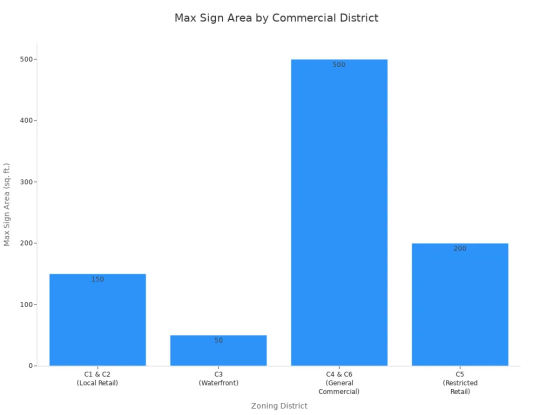
A business in a C3 or C5 district cannot illuminate neon signs at all, so the owner should choose a non-lit design or apply for a variance. A C4 or C6 location permits flashing and halo-lighting, which suits animated branding. Before ordering, the owner should pull the property's zoning classification and confirm the maximum sign area. A permit application typically requires a site plan, a sign drawing, and proof of electrical compliance. Skipping this step risks fines or forced removal after installation.
Each business has different needs for its commercial signage. A restaurant wants warmth and appetite appeal. A retail store wants visibility and sales. An office wants professionalism and brand consistency. Understanding these priorities helps owners choose the right custom neon signs.
Restaurants, cafes, and bars benefit from neon signs that build atmosphere. Warm whites, earthy browns, and pastels create a cozy, inviting mood. Placement matters as much as color. Window displays work well for "Open" signs, hours of operation, and daily specials. Above entrances, behind counters, and on feature walls work well. Menu accents in the 30-50cm range suit the counter, while dining decor can reach 80-120cm. A simple rule: add 10cm to sign width for every 3 meters of viewing distance.
Window signs should sit at eye level. They must remain visible from both directions of foot traffic. Bright output helps after dark, when crowds and low light make signs harder to notice. Modern LED neon signs maintain consistent brightness over time and offer dimmer controls. Owners can adjust the glow for daytime or evening service. A proportional sign attracts attention without overwhelming the storefront. Undersized signs get ignored, while oversized ones dominate the display.
Retail stores use commercial signage for wayfinding and in-store branding. Custom neon signs guide customers through the space and embody the brand's personality. They support themed decor and anchor seasonal campaigns. Bright, customizable signs create photo-worthy moments that encourage social media sharing, spreading brand awareness for free. Illuminated signs signal that the business is open and maintain brand presence in low-light environments.
Offices need a different approach. Professional aesthetics and clean design build trust. Layered typography and simple layouts improve legibility from a distance. Studies show that business owners using LED signs see increased foot traffic and sales. Such commercial signage drives more traffic, increases purchases, and reduces advertising costs over time. For a business in retail or offices, commercial signage converts visibility into store visits and revenue. Durable construction supports daily operation, and energy-efficient LEDs keep overhead low. Each business type prioritizes differently, but effective commercial signage supports the business and its brand goals.
The sticker price of a custom sign does not cover everything. Electrical work often requires a licensed electrician to run conduit, install a dedicated circuit, or connect the neon signs to an existing junction box. Mounting hardware adds another expense, especially for outdoor signs that need heavy-duty brackets or custom framing. Shipping costs vary by size and distance. Rush orders command premium rates. Permit fees depend on local zoning rules and sign dimensions. Some municipalities charge a flat application fee. Others base the fee on sign value. These costs can add 20 to 40 percent to the total project budget. Ignoring them risks paying more than anticipated or facing delays after installation.
Quote requests should specify whether the price includes electrical work, mounting hardware, and permit handling. Some vendors bundle these services into a turnkey package. Others sell only the sign itself. Knowing what the quote covers prevents surprises. A thorough vendor lists every line item and explains the purpose of each charge. Buyers should also ask about warranty coverage for installation-related issues. Many manufacturers warrant the sign but not the mounting or wiring work.
Proper neon sign planning starts with a simple checklist. Measure the installation space carefully. Confirm that a power source exists within reach of the sign's cable. Review brand guidelines to ensure the design matches company colors and fonts. Gather multiple quotes from at least three vendors. Compare not just prices but also included services. This step helps a business choose neon signs that fit both its budget and its timeline.
A pre-order review of local permit requirements prevents costly rework. The business should pull the property's zoning classification and check the maximum sign area allowed. Some districts require a sign permit before fabrication can begin. Others allow installation first, with a final inspection afterward. Following the correct order keeps the project on schedule and avoids fines.
Accurate measurement, confirmed power access, and early permit review reduce the chance of change orders. Each skipped step adds time and money. Structured planning protects the investment and helps the sign deliver its full return.
Custom LED flex neon signs deliver cost savings, energy efficiency, durability, and branding flexibility. These products consume up to 80% less power than glass neon and last for years with minimal maintenance. Businesses can customize colors, fonts, and shapes to match their brand identity. Proper planning for installation, permits, and hidden costs protects the investment and maximizes return. Owners should measure their space, confirm power access, and review local zoning rules before ordering. Requesting multiple quotes helps compare pricing and included services. A signage professional can guide design choices and ensure compliance. For storefronts seeking reliable neon signs, consulting an expert or requesting a custom quote is the next step.
Most LED neon products run for at least 50,000 hours. Weatherproof versions reach 50,000 to 100,000 hours, which equals roughly 6 to 11 years of continuous use. Silicone tubing lasts longer outdoors than PVC, so it suits storefronts that face sun and rain.
Yes. Outdoor installation requires sealed connections, a weatherproof power supply, and UV-resistant tubing. NOVANEON's Classic Flexible Neon products withstand various environmental conditions. Owners should confirm the product rating before mounting a sign outside, because indoor-only units may fail in rain or direct sunlight.
Size, design complexity, tubing material, and installation needs set the quote. Small logos cost $250 to $500, while large storefront signs run $1,200 to $3,000 or more. Silicone costs more upfront than PVC. Electrical work, mounting hardware, and permit fees add 20 to 40 percent.
Owners should align color, font, and shape with the brand's tone. Warm white creates a cozy mood for cafes, while cool white suits modern spaces. The same font and color used on a website should appear on the storefront. Consistency builds recognition and trust.
Measure the installation space, confirm power access, and review local zoning rules. Gather at least three quotes and compare included services. Check the maximum sign area allowed in the property's district. Early permit review prevents fines and forced removal after installation.
Please provide the following detailed information so that our business representatives can better understand your needs and get in touch with you as soon as possible.