
 EN
EN
 English
 繁体中文
繁体中文 Italian
 Greek
Greek Spanish
 Hebrew
 Japanese
 Portuguese
 Korean
 Russian
 French
 German
 Arabic
Blog & Events
Follow NOVANEON for more valuable information to know early
Follow NOVANEON for more valuable information to know early
Jul 29Source: Views: 319
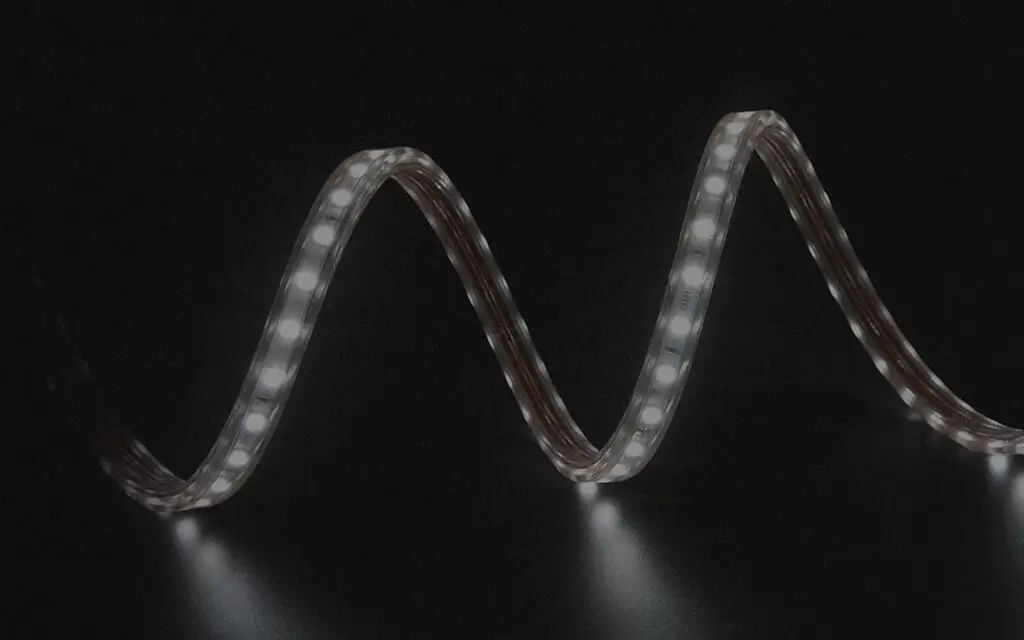
Proper installation of underwater led flex lighting in pools and fountains requires strict technical execution. Technicians select IP68 waterproof gear, attach mounting channels, seal end caps, wire low-voltage DC power, and connect transformers.
Code Provision | 12V pool lighting Systems | 24V Pool Lighting Systems |
Contact Limit | Operates safely within low-voltage limit | Permitted at or below contact limit |
Power Supply | Requires listed isolating transformer | Requires listed isolating power supply |
National electrical codes guarantee safety in wet environments. Installers submerge each underwater light fixture at the proper underwater depth to output bright light and illuminate the pool safely.
Proper gear selection guarantees long-term success for any underwater led flex installation. Technicians must verify all component specifications before submerging equipment in aquatic environments.
Only IP68-rated underwater led strip lights ensure complete protection during continuous submersion in pools and fountains. Standard fixtures fail quickly under constant water pressure. Electrical safety standards require installers to operate these systems using 12V or 24V DC low voltage. Low-voltage power prevents severe electrical hazards near water features.
Testing Standards for IP68 Ingress Protection:
· Governing Framework: Compliance with the IEC 60529 standard requires dust protection (IP6X) and continuous underwater submersion capability (IPX8).
· Severity Threshold: Submersion test parameters must exceed the baseline criteria of IPX7, which only covers temporary immersion at 1 meter for 30 minutes.
· Protocol Flexibility: Manufacturers and end users establish precise test depths and duration limits according to real-world continuous underwater exposure scenarios.
Material construction determines how well an underwater light fixture withstands harsh chemicals. Manufacturers employ advanced waterproof technologies to protect internal electronics from damage.
Material Type | Resistance to Chlorine | Saltwater Durability | Application Suitability |
PVC Extrusion | Low (Cracks over time) | Moderate | Temporary outdoor accent light |
Silicone Potting | High | High | Swimming pools and architectural fountains |
TPU Extrusion | Superior | Superior | Commercial pool and high-salinity water features |
Silicone potting and TPU extrusions outperform traditional PVC materials. Chlorine degradation causes traditional PVC to crack and turn yellow. TPU sleeves resist strong chemical treatments in swimming pools, while solid silicone preserves flexibility. Choosing robust led lights extends the overall lifespan of the entire pool system. Installers secure each flex strip inside high-grade channels to maintain structural integrity. Reliable pool lighting transforms ordinary water features into stunning nighttime attractions.
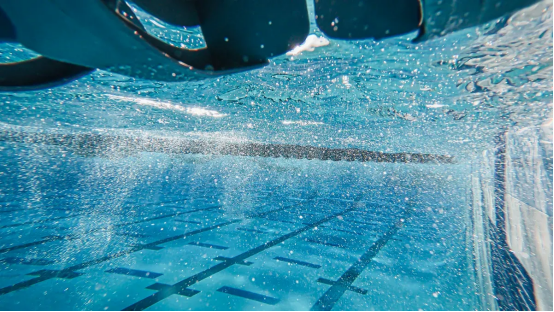
Proper installation methods guarantee structural stability and safety in aquatic environments. Technicians follow standardized installation methods during pool light installation projects to achieve clean visual results. Precise installation steps protect electrical equipment from moisture damage inside the pool wall structure.
Surface Cleaning Tip: Technicians must remove algae, oil, and loose dirt from the underwater wall substrate before attaching any mounting track.
Technicians dry the concrete wall inside the pool light niche completely before attaching mounting hardware. Dirt and organic debris weaken mounting mechanical bonds inside the pool light niche. Installers mark straight layout lines using laser levels across pools and decorative fountains. Proper layout planning creates balanced lighting output across all submerged water features.
Installers mount underwater led flex tracks directly onto solid substrates. Stainless steel mounting channels keep the flexible strip straight along curved walls in fountains.
Material Grade | Seawater Corrosion Protection | Best Application Environment |
Grade 304 Stainless Steel | Standard protection | Freshwater fountains |
Grade 316 Stainless Steel | High protection (3x to 5x higher) | Saltwater pool systems |
Grade 316 stainless steel demonstrates three to five times higher corrosion resistance in marine and seawater conditions compared to Grade 304. Consequently, Grade 316 stainless steel offers superior protection for underwater mounting channels in saltwater pool environments. Installers secure each underwater light fixture clip with corrosion-resistant screws to withstand continuous water movement.
Threading power cables through a pool light niche requires precise mechanical sealing. Technicians feed low-voltage wires through sealed conduit runs behind each niche assembly. An airtight waterproof cord grip prevents pool water from entering the junction box located behind the niche housing.
Installers fix the rear bracket inside the niche structure to lock the main light fixture in place. Proper niche placement prevents the underwater light from floating out of the niche cavity. Technicians route power lines carefully into the main niche conduit to prevent cable strain. Installers lock the fixture securely against the niche back wall to ensure deep underwater fixture placement.
Technicians cut underwater led strip lights strictly at designated cut lines marked on the silicone sleeve. Incorrect cutting breaks internal electrical paths, destroying the rgb led strip immediately.
[Cut at designated mark] ➔ [Apply marine silicone] ➔ [Slide IP68 end cap] ➔ [Cure 24 hours]
Installers apply marine-grade silicone adhesive inside an IP68 waterproof end cap. They slide the end cap over the cut strip edge to form a permanent protective seal. This precise sealing procedure enables vibrant rgb led pool lighting across pools, fountains, and custom architectural water features. Technicians test each fully sealed underwater flex strip prior to continuous underwater submersion, providing reliable guidance for successful diy installations. Installers place underwater led strip lights carefully into mounting channels to complete dynamic fountain lighting projects. Commercial fountains require precise execution to maintain system integrity over time.
Proper electrical execution prevents power failures and ensures long-term performance in submerged environments. Installers must calculate electrical loads, eliminate voltage drop, and connect control interfaces accurately.
Electricians size low-voltage DC transformers based on total system wattage. The installer calculates the wattage of every underwater light segment first. Adding a 20% safety margin prevents transformer overheating. A 100-watt load requires a transformer rated for at least 120 watts. Proper load sizing protects electrical safety standards during continuous operation. High-quality power supplies deliver stable current to outdoor water features. Installers mount transformers inside weatherproof enclosures above ground level. Ground-fault circuit interrupter breakers protect power lines to ensure safety.
Long cable runs cause voltage drop along low-voltage DC lines. Voltage drop dims the far end of underwater led flex fixtures. Technicians select thick gauge copper wire to combat electrical resistance over distance. Parallel wiring strategies deliver consistent power directly to each strip segment. Parallel circuits supply equal voltage across extensive pool basins and fountains.
Wiring Strategy Tip: Installers connect feeder cables to both ends of long flex runs. Dual-ended power feeding eliminates dimming along the center of the underwater strip.
Technicians use specialized junction enclosures when connecting underwater led strip lights to main power feeder cables:
· IP68-rated junction box enclosures protect submerged cable splices directly inside wet underwater environments.
· These heavy-duty enclosures withstand continuous underwater immersion up to depths of 10 meters.
· Gasketed covers with multi-layer seals block water ingress and preserve core electrical reliability.
Technicians install digital controllers to operate dynamic underwater color patterns in decorative fountains. Operators adjust primary rgb color modes using smart Wi-Fi applications, handheld remotes, and wall switches. Four-wire external controllers manage individual rgb channels on rgb underwater led strips. The correct wiring sequence matches positive voltage leads with red, green, and blue ground channels. Smart controllers synchronize dynamic underwater light patterns across a complete pool lighting system installation. Careful control wiring completes the overall installation process successfully. Automated scheduling features allow users to set custom light schedules effortlessly. Vibrant rgb effects highlight architectural water features throughout the night. Bright led lights enhance visibility around the deep outdoor pool.
Routine maintenance preserves underwater lighting installations in pools and fountains. Service teams follow systematic procedures to inspect every light fixture and niche housing.
Water ingress damages sealed components over time. Technicians schedule regular maintenance checks every six months to inspect each waterproof end cap. Regular inspection prevents moisture from reaching internal circuitry inside a flexible led strip.
Inspection Tip: Technicians pull the light fixture from its niche cavity during seasonal checkups to examine chemical wear.
Installers inspect the seal around every underwater niche carefully. Debris accumulation inside the pool niche starves proper water circulation. Technicians clear foreign matter around the underwater light wire path inside the pool wall opening. They replace cracked silicone seals immediately to protect water features.
Unstable power delivery creates operational problems in outdoor aquatic installations. Voltage loss across long cable runs often disrupts continuous underwater lighting performance. Extended wire lengths increase electrical resistance in low-voltage systems. High current drops system voltage directly at the pool terminal. When this voltage loss reduces the supply to a level right around the led driver's minimum operational threshold, the driver fails to maintain steady power. This instability causes the driver to continually cycle between starting up and shutting down, resulting in visible flickering of the underwater strip.
Technicians measure voltage at the pool power distribution point to resolve dimming. They upgrade thin conductor cables to eliminate electrical resistance inside the pool conduit run. Proper line sizing restores steady current to every underwater system in fountains. Technicians verify ground connections across the entire underwater pool cable network to protect underwater equipment.
Technicians complete every underwater led flex project with strict safety verifications. Electricians test GFCI breakers and ground bonding before powering any underwater cable run.
Final Installation Rule: Installers dry-test each light fixture, controller connection, and strip in dry conditions prior to underwater pool mounting.
Routine maintenance on waterproof seals and channels preserves long-term IP68 lighting protection. Proper procedures guarantee dynamic pool performance across the entire underwater pool system.
Technicians install underwater led strip lights in saltwater pools. They must select TPU-extruded strips and Grade 316 stainless steel channels. These durable materials withstand harsh chemical conditions and prevent corrosion during continuous underwater submersion.
Safety Note: Low-voltage transformers step down high power to safe 12V or 24V DC levels.
Electricians prioritize safety around underwater water features. Low voltage prevents electrical hazards if water contacts the light wiring inside decorative fountains.
Technicians feed power cables through a sealed conduit behind the niche opening. They tighten a waterproof cord grip to block pool water. Finally, installers lock the fixture bracket inside the main pool niche to keep the light fixture stable against the pool wall.
Voltage drop causes color shifting on rgb strips during long wire runs. Long cables increase electrical resistance in underwater system setups. Technicians eliminate dimming by connecting parallel power lines to both ends of the underwater strip.
Please provide the following detailed information so that our business representatives can better understand your needs and get in touch with you as soon as possible.