
 EN
EN
 English
 繁体中文
繁体中文 Italian
 Greek
Greek Spanish
 Hebrew
 Japanese
 Portuguese
 Korean
 Russian
 French
 German
 Arabic
Blog & Events
Follow NOVANEON for more valuable information to know early
Follow NOVANEON for more valuable information to know early
Sep 08Source: Views: 190
A standard LED strip often fails after one storm season. Its lens yellows, the housing cracks, or water seeps inside and kills the electronics. Why does this happen, and how can a buyer prevent it when selecting a flexible wallwasher?
Outdoor lighting faces a triple threat. UV radiation degrades polymers, moisture corrodes circuits, and thermal cycling stresses seals. The solution lies in specific material science and ingress protection ratings.
This guide decodes technical specifications—IP, IK, UV stabilization—and material choices like PU/TPU encapsulation into a practical checklist. The goal is straightforward: find a product that lasts 5-10 years, not just 1-2.
· Choose fixtures with IP65 or higher to block water and dust.
· Select UV-stabilized materials like PU or TPU to prevent yellowing.
· Match the bend radius to your surface to avoid damaging the PCB.
· Use CRI 90 or above for accurate colors on architectural facades.
· Install with proper drainage and sealed connections for long life.
A flexible wallwasher represents a specialized category of linear LED lighting engineered to conform to curved or irregular surfaces while delivering uniform illumination across vertical planes. Unlike rigid linear fixtures that require straight mounting tracks, this product incorporates a bendable PCB (printed circuit board) housed within a pliable encapsulation material. This construction allows the fixture to arc, twist, or contour itself to match the geometry of the installation surface.
The core distinction between standard linear lights and flexible versions lies in the bend radius and PCB design. Standard fixtures use rigid FR4 circuit boards that crack under stress. Flexible wallwashers employ flexible substrates that tolerate repeated flexing without breaking circuit traces. Manufacturers specify a minimum bend radius—the tightest curve the fixture can safely achieve—which directly determines the complexity of architectural forms an installer can accommodate. A tighter radius enables more dramatic curves but places greater mechanical stress on solder joints and LED components.
Architects and lighting designers select flexible wallwashers when building geometry rules out straight fixtures. The application dictates the required bending axis and technical specifications. The table below summarizes common scenarios:
Architectural Application | Preferred Bending Type | Key Technical Specifications |
Arches, domed ceilings, tops of curved walls | Top-bending (vertical axis) | Optical lens remains perpendicular to bend; beam angles 30°, 45°, or 60° |
Circular columns, curved planters, serpentine building facades | Side-bending (horizontal axis) | Light-emitting surface remains flat; beam angles 30°, 45°, or 60° |
Organic shapes, parametric facades, spiral staircases, irregular geometric surfaces | 3D bendable (multi-axis) | Twists and curves along multiple axes simultaneously |
Exterior facades (all above) | Any | DMX512 pixel control for dynamic effects; IP67/IP68 waterproof ratings with silicone or PU encapsulation |
Each application demands careful matching of fixture capability to surface geometry. A top-bending unit works well for illuminating the crown of a dome, where the lens must stay perpendicular to the curve. Side-bending versions suit column wraps, keeping the light-emitting surface flat against the circumference. For truly complex forms like parametric facades, a 3D bendable fixture provides the necessary freedom. Outdoor installations also require robust environmental protection, with IP67 or IP68 ratings and silicone or PU encapsulation ensuring survival against moisture ingress.
UV radiation attacks outdoor lighting fixtures at multiple points simultaneously. The housing, the lens, and the encapsulation material all experience degradation from prolonged sun exposure. For a flexible wallwasher, the encapsulation layer matters most because it provides both optical clarity and physical protection while maintaining flexibility. Standard PVC yellows and becomes brittle within one to two years under direct sunlight. Silicone offers better UV stability but lacks the mechanical strength and flexibility needed for tight architectural bends. High-quality PU and TPU materials from manufacturers like BASF incorporate UV stabilizers and antioxidants. These additives absorb UV radiation or neutralize free radicals that cause polymer chain breakdown. The stabilizers themselves degrade slowly over time, consuming the UV energy instead of the polymer bonds. The result is a material that maintains its clarity, flexibility, and mechanical integrity for five years or more under continuous outdoor exposure. Specifiers should always check whether a product uses UV-stabilized materials in both the lens and the encapsulation. A datasheet should state the UV testing standard, such as ASTM G154 or ISO 4892, and the expected lifetime in hours under accelerated weathering. Products that omit this information likely use unstabilized polymers that will yellow, crack, and lose light transmission quickly. The housing material also requires attention. Aluminum housings with powder coating or anodizing resist UV well. Polymer housings need the same stabilizer technology as the encapsulation.
Ingress Protection ratings define how well a fixture resists solids and liquids. For outdoor wallwashers, IP65, IP67, and IP68 represent the relevant tiers. IP65 withstands powerful water jets from any direction, making it suitable for general outdoor exposure including rain and hose-down cleaning. IP67 adds temporary immersion resistance, surviving submersion up to one meter for thirty minutes. IP68 allows continuous immersion at a depth and duration specified by the manufacturer. The key distinction between IP65 and IP67 is submersion capability. A fixture mounted on a vertical facade may only need IP65 because water runs off. A fixture at ground level or in a flood-prone area requires IP67 at minimum.
IP Rating | Water Protection | Best For (outdoor wallwashers) |
IP65 | Water jets | Full outdoor use, rain, hose cleaning (not submersion) |
IP67 | Temporary submersion (1 m) | Marine environments, areas with temporary flooding |
IP68 | Continuous submersion | Underwater fixtures, permanent submersion scenarios |
The table illustrates a clear progression. IP65 works for standard facade lighting in urban environments. IP67 suits coastal or flood-prone installations where standing water may occur. IP68 fits underwater applications like fountains or submerged architectural features. Verifying the rating matters. Some manufacturers claim IP65 but use inadequate gaskets or sealing methods. Requesting a test report from an accredited laboratory provides confidence. Temperature range adds another layer of durability. For extreme climates, a wider operating range matters significantly.
For outdoor lighting projects in extreme climates (e.g., Middle East, where temperatures reach ~50°C), a suitable operating temperature range of -20°C to +55°C is explicitly recommended. This range is critical because lighting control systems (like DALI) may keep fixtures on during daytime, causing internal LED heat to combine with high ambient temperatures, creating thermal stress that shortens fixture lifespan.
Thermal cycling compounds the challenge. Materials expand when hot and contract when cold. Each cycle stresses seals and solder joints. Over hundreds of cycles, microscopic gaps can form, allowing moisture ingress. A fixture rated for -20°C to +55°C can handle the daily temperature swings common in desert or continental climates. Specifying this range ensures the fixture survives real site conditions, not just laboratory tests. The combination of correct IP rating and adequate temperature range provides a solid foundation for long-term outdoor durability.
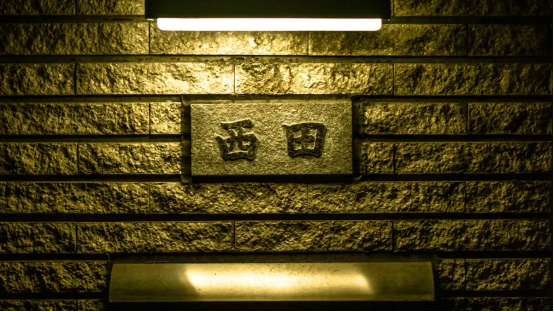
A tighter bend radius enables more dramatic architectural curves, but it places significant mechanical stress on the PCB. Manufacturers specify minimum bending diameters for each module size. A 240×120mm module requires a minimum cylinder diameter of 764mm (382mm radius). A larger 320×160mm module needs 815mm (407.5mm radius). Exceeding these limits causes immediate micro-cracks in copper traces. The damage progresses irreversibly, leading to dead pixels, horizontal LED lines, flickering, and PCB delamination from the silicone chassis within days or weeks.
Product Model | Minimum Top Bending Diameter | Minimum Side Bending Diameter |
3D Wall Washer | 100 mm | 300 mm |
Top Bending Wall Washer | 300 mm | Not specified |
The 3D Wall Washer achieves a 100mm top bending diameter, suitable for acute curves. The Top Bending model offers a more conservative 300mm diameter for gentler surfaces. Installers should match the frame radius exactly to the module specification. Staying at a 150° bend angle or below ensures long-term reliability. Repeated bending, even within limits, causes metal fatigue. These modules are designed for one-time installation bending. Back-and-forth flexing stresses the PCB over months, eventually causing delamination and reduced operational life.
Physical impact poses a serious threat to outdoor fixtures, especially at ground level or in public spaces. IK ratings classify protection against mechanical impact. Higher ratings such as IK10 resist heavy impact forces, suitable for vandalism-prone areas. Ground-level landscape fixtures typically require IK09–IK10 ratings. High-risk public areas like plazas, stadium perimeters, and transit hubs demand IK10 protection.
Context | Recommended IK Rating | Additional Notes |
Ground-level landscape fixtures | IK09–IK10 | Often combined with IP67–IP68; require load-bearing capacity |
High-risk public spaces | IK10 | Complement with anti-tamper hardware, protective cages |
A flexible wallwasher with proper impact resistance uses reinforced housing structures alongside flexible encapsulation. The encapsulation absorbs low-energy impacts while the housing protects against deliberate force. Specifiers should verify IK ratings through test documentation rather than accepting manufacturer claims. A fixture rated IK10 at ground level prevents costly replacements from vandalism or accidental contact. The combination of correct bend radius compliance and adequate IK rating determines whether the installation survives both its environment and human interaction.
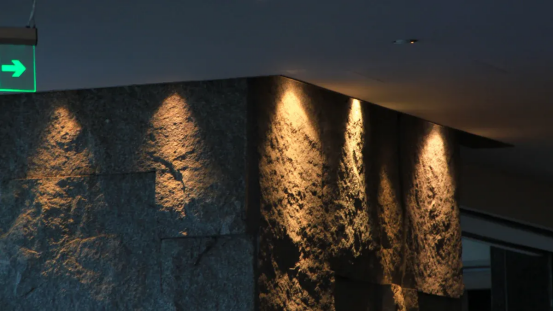
Color rendering index (CRI) measures how accurately a light source reveals the true colors of objects compared to natural sunlight. For architectural facades, this metric determines whether stone textures appear rich or flat, whether brick tones look warm or muddy, and whether timber grain reads as dimensional or washed out. A CRI of 80 can handle utilitarian areas like parking lots or service corridors. However, a flexible wallwasher serving as a design element demands higher performance.
For gardens, paths, and building facades, choose CRI 90 or above. A CRI of 80 can work for utilitarian areas, but a CRI of 90 or above is usually better for architectural details where the fixture serves as a design element.
Color temperature works alongside CRI to shape the visual impression. Warm white light in the 2700K–3000K range enhances the natural warmth of stucco, stone, and brick surfaces. Cooler temperatures around 4000K suit technical facades, concrete structures, and security-focused applications where crisp geometry matters more than material warmth.
Application | Recommended Kelvin | Why |
Facade / wall wash | 2700K to 3000K | Enhances stucco, stone, brick texture |
Technical facades | 4000K | Highlights geometry, structure, concrete |
Warm lighting also reduces light pollution. Shorter wavelengths scatter more in the atmosphere, creating sky glow that disrupts ecosystems and obscures the night sky. Shielding fixtures and selecting 2700K–3000K sources preserves the natural nighttime environment while still delivering a striking architectural presentation.
Beam angle determines how light spreads across a wall surface. Flexible wallwashers commonly offer beam angles of 30°, 45°, or 60°. The appropriate beam angle for a given application depends on the wall texture, height, and desired uniformity. Proper offset distance and fixture spacing are critical to avoid hotspots and ensure even coverage.
The housing material determines thermal management, structural integrity, and long-term outdoor survival. Aluminum extrusions dominate the market for outdoor linear fixtures. Aluminum dissipates heat efficiently, pulling thermal energy away from the LED components. This heat sinking capability lowers junction temperature, which directly extends LED lifespan and preserves lumen output over years of operation. Powder coating or anodizing adds a corrosion-resistant layer, allowing aluminum housings to withstand coastal salt air and industrial pollutants without degradation.
Polymer housings offer advantages in weight and design flexibility. Manufacturers can mold polycarbonate or ABS into complex shapes that aluminum extrusions cannot achieve. However, polymers lack thermal conductivity. Heat accumulates inside the housing, raising junction temperatures and accelerating LED degradation. Polymer housings also need UV stabilization to prevent surface chalking, color shift, and embrittlement. Without adequate stabilizers, polymer surfaces degrade under direct sunlight, becoming brittle and cracking within a few years.
For most architectural installations, aluminum housing provides the best balance of performance and durability. It offers superior thermal management, structural rigidity, and proven long-term reliability. Polymer housings may suit specific applications where weight reduction or complex geometry takes priority, but specifiers must verify UV stabilization and thermal design. A polymer housing without proper heat sinking will shorten the fixture's operational life. The choice between aluminum and polymer depends on the installation's thermal environment, UV exposure, and mechanical requirements.
Encapsulation forms the primary barrier between sensitive electronics and the outdoor environment. It must remain flexible, optically clear, and mechanically robust for years under continuous UV exposure. Standard silicone encapsulation offers adequate UV resistance but yellows gradually over time. Yellowing reduces light transmission and shifts color temperature, degrading the quality of architectural lighting. PVC encapsulation performs poorly outdoors. It yellows rapidly, becomes brittle, and cracks under thermal cycling, leading to moisture ingress and complete fixture failure.
High-grade polyurethane (PU) and thermoplastic polyurethane (TPU) from leading material suppliers represent a significant advancement. TPU offers excellent UV resistance and flexibility, maintaining clarity and mechanical integrity for long-term outdoor use. Accelerated weathering tests confirm this performance, with TPU showing minimal change in color or properties after extended exposure.
TPU also provides good flexibility across a wide temperature range. It remains pliable at low temperatures and does not soften excessively at high temperatures, matching the thermal stability required for extreme climates. The material bends repeatedly without cracking, preserving the fixture's bend radius capability during installation.
For coastal installations, TPU encapsulation offers a critical advantage: salt-spray proofing. Salt crystals accelerate corrosion of exposed metal contacts and promote material degradation in standard silicone or PVC. TPU resists salt attack, maintaining mechanical integrity and optical clarity. This makes TPU the recommended encapsulation material for any fixture installed near the ocean.
The combination of UV resistance, flexibility, optical clarity, and salt-spray proofing makes TPU the optimal encapsulation choice for an outdoor flexible wallwasher. Specifiers should request encapsulation material specifications and UV test data from manufacturers. A product that uses TPU or high-grade PU encapsulation will significantly outlast one that relies on standard silicone or PVC.
Proper mounting determines whether a flexible wallwasher survives its first year outdoors. Installers should position the fixture at an appropriate distance from the wall base to create a uniform wash across the facade without producing bright hotspots or uncomfortable glare. Incorrect distance can cause hotspots or light spill.
The mounting angle matters just as much as the distance. Asymmetric lenses can tilt the light beam at a specific angle to direct illumination onto the vertical surface, ensuring the light reaches the wall rather than spilling into the sky or onto adjacent properties. Installers must verify the lens orientation before securing the fixture permanently.
Thermal management requires attention during installation. Mounting channels can serve a dual purpose: they provide structural support and act as heat sinks. The channel draws heat away from the LED components, lowering junction temperature and extending the lifespan of the diodes. Using thermal interface material between the fixture housing and the mounting channel maximizes heat transfer. Without this, air gaps trap heat and accelerate LED degradation.
Drainage provisions prevent water accumulation around the fixture base. Proper drainage, such as a gravel bed, allows rainwater to percolate into the soil rather than pooling around the housing. Standing water accelerates seal degradation and provides a pathway for moisture ingress through microscopic gaps.
The connection points between fixtures represent the weakest link in any outdoor lighting system. Exposed wiring invites moisture ingress, corrosion, and eventual short circuits. Installers should use high IP rated waterproof junction boxes or resin-filled splice kits at every cable entry point. These components create a permanent seal that withstands submersion and prevents water from traveling along the cable into the fixture housing.
Cable entry points require sealing with appropriate gaskets or potting compounds. The flexible wallwasher itself may carry a high IP rating, but that rating means nothing if the connections feeding it remain unprotected.
Long-term upkeep follows a simple rhythm. Periodically inspect seals and gaskets for cracks or compression set. Clean the lens surface with a soft cloth and mild detergent to remove accumulated dirt and pollutants. Check mounting brackets for loosening caused by thermal cycling or wind vibration. These routine inspections catch small problems before they become expensive failures.
A fixture with proper waterproof connectors and adequate drainage will outperform a higher-rated fixture with inadequate installation. The installation quality determines the real-world durability of the entire system.
A true outdoor-rated flexible wallwasher demands three essentials: IP65 minimum protection, UV-stabilized materials, and PU/TPU encapsulation for lasting clarity. Higher specifications like IP68 and IK10 raise costs, yet flood zones and coastal salt air justify the expense. Buyers should match specifications to their specific installation site rather than over-specifying unnecessarily.
Request datasheets and samples before committing to a purchase. Verify UV test reports and encapsulation material specifications firsthand. Investing in quality materials like TPU encapsulation costs less than frequent replacements and maintenance over the long term.
IP65 withstands water jets for standard outdoor use. IP67 adds temporary submersion up to one meter for thirty minutes. IP68 permits continuous immersion at a depth the manufacturer specifies.
TPU (a type of PU) encapsulation is used in high-quality fixtures for its flexibility and outdoor durability. It incorporates UV stabilizers that prevent yellowing and maintain clarity for long-term use. It is suitable for coastal installations due to its resistance to environmental stress.
A 240×120mm module requires a minimum cylinder diameter of 764mm. A 320×160mm module needs 815mm. A 3D bendable unit achieves a 100mm top bending diameter. Exceeding these limits damages PCB traces.
CRI 90 or above provides accurate color rendering for stone, brick, and timber surfaces. CRI 80 suffices for utilitarian areas but lacks the richness needed for design-focused architectural lighting.
Materials expand and contract with each temperature swing. Hundreds of cycles stress seals and solder joints, creating microscopic gaps that allow moisture ingress. A rated range of -20°C to +55°C helps prevent this damage.
Please provide the following detailed information so that our business representatives can better understand your needs and get in touch with you as soon as possible.