
 EN
 English
 繁体中文
 Italian
 Greek
 Spanish
 Hebrew
 Japanese
 Portuguese
 Korean
 Russian
 French
 German
 Arabic
Blog & Events
Follow NOVANEON for more valuable information to know early
Follow NOVANEON for more valuable information to know early
Sep 16Source: Views: 170
For most business and home projects, silicone flexible LED neon is the smarter replacement choice. It costs less to run, operates at safe low voltage, and withstands daily wear far better than glass. Yet traditional glass neon still wins for authentic vintage character. That warm, handcrafted glow carries a nostalgic value no modern strip fully copies. So the real decision comes down to a practical trade-off: nostalgia against modern performance. A led neon sign suits busy retail spaces, while traditional glass neon signs appeal to retro bars. Buyers should weigh cost, safety, durability, installation, and aesthetics carefully. Each factor shifts the answer for a specific space, budget, and style goal.
l Silicone LED neon signs cost less to buy and run than glass neon signs.
l LED neon signs are safer because they use low voltage and run cool.
l LED neon signs last longer and resist damage better than glass neon.
l Glass neon signs still win for authentic vintage style and warm glow.
l You can often install LED neon signs yourself without hiring an electrician.
Silicone flexible LED neon wins for most buyers. It costs less to buy, costs less to run, and holds up under real-world conditions. Traditional glass neon remains the better pick for one narrow purpose: authentic vintage character. That is the verdict in one breath. The rest of this guide explains why.
A led neon sign fits most commercial and residential projects. The upfront price runs lower because machines manufacture the strips instead of artisans bending glass by hand. Shipping adds another advantage. LED neon flexes and ships in lightweight packaging, while glass tubes demand specialty packaging and break easily in transit. That difference alone shifts the true cost of ownership.
Operating expenses favor LED as well. Traditional glass neon draws 3–20 watts per foot. LED neon draws only 1–5 watts per foot. A storefront running lights twelve hours a day sees that gap compound month after month. Lower voltage also means simpler wiring and fewer electrical upgrades.
Durability seals the case. Modern led neon signs resist vibration, impact, and weather. They hold their brightness for years without flickering. A business that wants reliable signage with predictable custom led neon sign pricing should start here.
Traditional glass neon signs still earn their place in certain settings. A vintage neon sign carries a warm, handcrafted glow that no LED strip perfectly reproduces. Collectors and purists notice the difference immediately. The soft halo around each glass tube comes from gas and phosphor, not from a diffused LED channel.
That craftsmanship carries real value for retro bars, diners, and heritage storefronts. A traditional neon sign becomes part of the atmosphere itself. Owners of these spaces often accept the higher glass neon sign cost because the aesthetic justifies it.
So the choice comes down to priorities. Buyers who weigh neon vs led on cost, safety, and durability choose LED. Buyers who weigh neon vs led on atmosphere and authenticity choose glass. Neither answer is wrong. The right one depends on the project.
Upfront pricing tells only part of the story. Traditional glass neon demands skilled hand-bending labor, and each tube requires a trained artisan. That labor drives the glass neon price far above machine-made alternatives. Shipping adds another layer. Glass tubes break easily, so vendors pack them in heavy crates with foam inserts. Freight charges climb accordingly.
A led neon sign arrives in lightweight packaging. Machines extrude the silicone strips, so production runs fast and consistent. Shipping costs drop because the product bends and flexes without damage. Buyers who compare quotes often find the led neon sign price sits well below the glass neon sign cost. That gap widens for large or complex designs. A custom led neon sign pricing quote typically includes design work, materials, and assembly in one figure. The glass neon sign cost for the same design may double or triple. Hidden costs also matter. Glass neon requires a transformer, and installers must handle high-voltage wiring. LED neon runs on low voltage, so installation stays simple and cheap.
Operating costs separate these two options over time. Traditional glass neon draws 3–20 watts per foot and runs on high voltage. A storefront lit twelve hours daily pays a premium every month. LED neon uses 1–5 watts per foot and qualifies as energy efficient. The savings accumulate year after year.
Maintenance adds another expense. Glass tubes shatter on impact, and a broken section needs a skilled technician to re-bend and reinstall it. That repair bill often surprises owners. LED neon offers lower maintenance because the strips resist vibration and impact. A failed section swaps out easily without touching the rest of the sign. Buyers weighing neon vs led on total cost of ownership should factor in these long-term savings. The value of a led neon sign grows as energy prices rise and repair calls disappear. For most projects, the custom led neon sign pricing model delivers predictable costs with no surprise maintenance fees.
Traditional glass neon signs run on high voltage, often thousands of volts at the transformer. That voltage poses a genuine shock hazard during installation and repair. A cracked or broken tube exposes live wiring, and the glass itself shatters on impact. Businesses with foot traffic or curious hands face real liability. The tubes also run warm, and the fragile glass demands careful handling during every cleaning or relocation.
LED neon operates at low voltage, so the shock risk drops dramatically. Solid-state lighting means no gas, no glass envelope, and no high-voltage transformer. The strips run cool to the touch and resist vibration, impact, and rough handling. A led neon sign therefore suits busy retail floors, restaurants, and homes with children or pets. The lower heat output also reduces fire risk in enclosed spaces.
Silicone LED neon uses durable, UV-resistant materials that withstand weather and temperature swings. Buyers should check for UL or ETL marks on the power adapter, since non-certified units risk overheating or flicker. CE certification covers electromagnetic compatibility and low-voltage safety for EU markets, while RoHS compliance bans hazardous substances such as lead, cadmium, and mercury. These marks confirm a product meets recognized safety standards.
IP ratings determine where a sign can go. Fully exposed signs should carry an IP rating of 65 or higher. IP65 resists dust and water jets, IP67 handles temporary submersion, and IP68 survives full submersion beyond one meter. High-quality LED neon products carry IP ratings suitable for underwater and underground use, making them a reliable choice for harsh environments.
Certification / Rating | Purpose |
CE Certification | Mandatory for EU markets; covers electromagnetic compatibility and low-voltage safety |
RoHS Compliance | Bans hazardous substances such as lead, cadmium, and mercury |
UL Listing | Ensures components meet fire and overheating standards |
IP65 | Dustproof and water-resistant; required for most outdoor installations |
IP67 | Submersion-proof for coastal areas and high-humidity zones |
IP68 | Suitable for full submersion beyond one meter |
Modern LED neon signs deliver a long lifespan that outpaces traditional glass neon. Glass tubes degrade over time as gas leaks and electrodes wear. LED strips resist vibration, impact, and weather extremes. This durability makes LED suitable for high-traffic areas and outdoor installations. A glass sign may need tube replacement within a few years. A modern LED neon sign often continues producing consistent light for many more years without component failure.
Flicker becomes a problem in aging glass signs. The transformer may cause unstable light output as tubes age. Modern LED neon signs use solid-state components to produce steady, uniform light. No flicker appears even after thousands of hours of use. Brightness stays consistent along the full length. Weather resistance also separates the two. Glass tubes crack in cold temperatures or strong winds. Silicone LED neon flexes with movement and shrugs off rain, dust, and temperature swings. Many modern LED neon signs carry IP65 or higher ratings, making them suitable for outdoor use without extra protection.
LED neon signs offer a broad spectrum of color options. Users can choose from warm white to cool white. RGB versions allow dynamic color changes for branding or mood lighting. Glass neon depends on gas and phosphor coatings, which limit the available palette. For custom signage, this flexibility gives LED a clear advantage. Businesses can match corporate colors exactly or change the look with a remote control.
Brightness consistency is another advantage. LED strips maintain uniform output across long runs. Glass tubes often appear dimmer at the ends or over time as the gas degrades. When comparing neon vs led in terms of visual uniformity, LED delivers steady illumination from start to finish. The difference matters for signage that must remain legible at night. Modern LED neon signs also allow dimming without color shift, something glass cannot achieve without specialized equipment. Together, these features make LED the more reliable choice for projects that demand consistent, long-lasting performance.
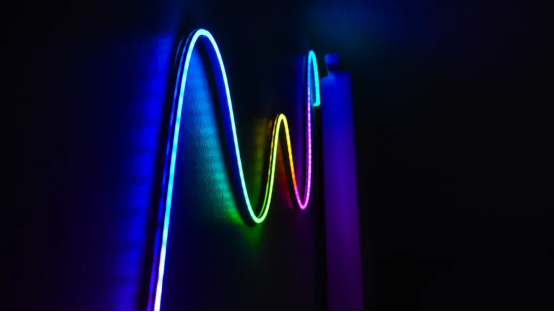
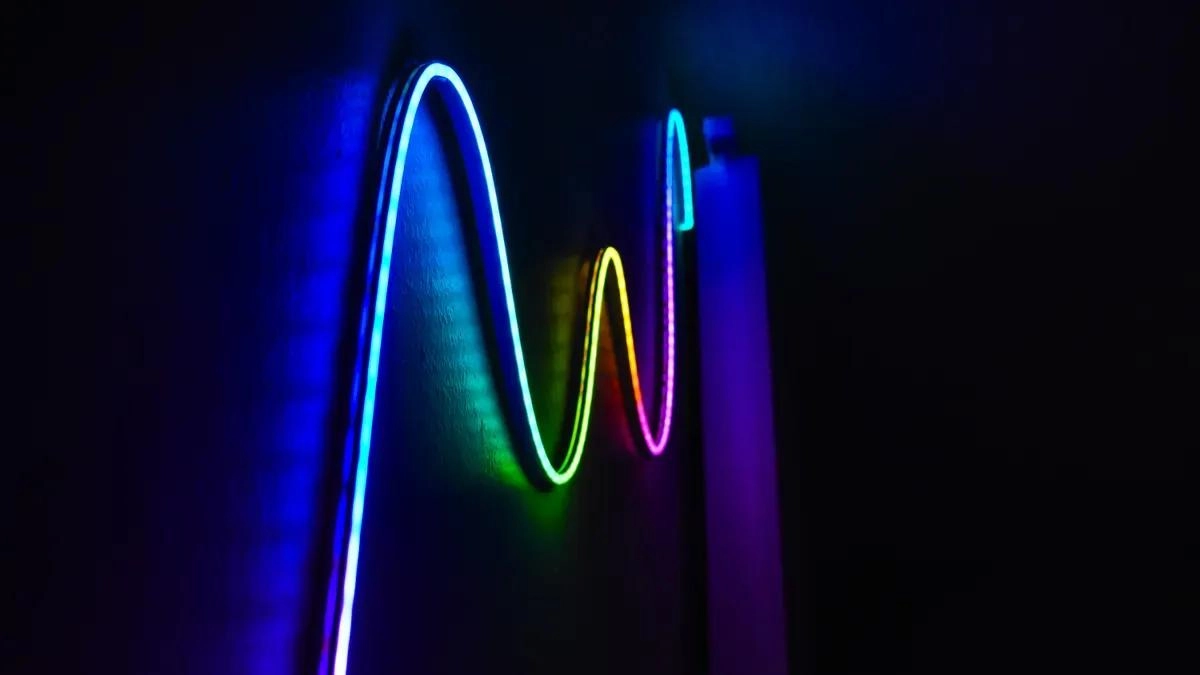
Silicone LED neon offers remarkable design freedom. The flexible silicone tubing bends in three dimensions, so designers can create intricate curves, tight corners, and flowing logos. A custom led neon sign can follow almost any outline a client imagines. Long runs of flexible strip maintain uniform brightness across the entire length. This flexibility allows sign makers to produce letterforms, symbols, and abstract shapes that would challenge traditional methods.
Glass neon works differently. Artisans heat glass tubes over a flame and bend them by hand. This process limits shapes to what a skilled bender can achieve. Sharp angles and complex curves become difficult or impossible. Each bend adds labor time and cost. The glass also stays rigid once formed, so the final sign cannot adapt to uneven surfaces. A custom glass sign therefore carries design constraints that silicone strips simply do not have.
Silicone LED neon supports 3D bending without compromising light quality, allowing designers to create custom shapes and logos with ease and simplifying installation planning for different project requirements.
Weight and fragility shape the shipping story. Glass neon signs are heavy and break easily in transit. Vendors must use reinforced crates and foam padding, and freight costs reflect that care. A led neon sign weighs far less and bends without damage. It ships in compact packaging, which reduces freight charges and lowers the risk of breakage claims.
Mounting follows a similar pattern. Glass tubes require careful handling and often need a professional installer. The high-voltage transformer adds another layer of complexity. LED neon signs mount with simple brackets or adhesive channels. A business owner with basic tools can often complete a DIY setup in an afternoon. The low-voltage driver connects easily, and the flexible strip conforms to walls, ceilings, or irregular surfaces. This ease of installation saves both time and labor cost. For anyone replacing an old glass sign, the switch to a modern led neon sign removes the heavy crates, the fragile tubes, and the specialist repair calls.
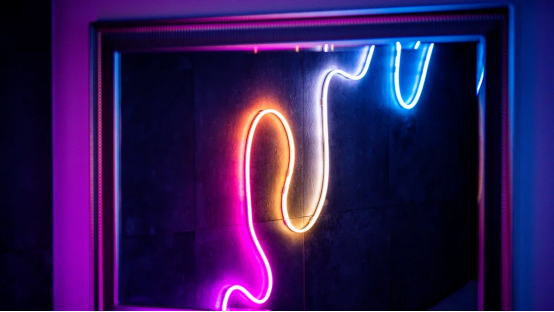
Glass neon owns one advantage that no modern strip fully copies: its warm, organic glow. True neon emits light in 360 degrees, so the tube radiates in every direction. That full omnidirectional diffusion creates the soft halo collectors love. The handcrafted character of each bent tube adds charm that machine production cannot match. This craftsmanship gives traditional glass neon its enduring appeal.
Modern LED neon signs come close to that classic look. They produce a smooth, consistent glow that reads as cleaner and more uniform. Some viewers describe the light quality as less organic than glass. A horizontal spread of at least 160 degrees is recommended to avoid hotspots. Narrow viewing angles cause uneven diffusion and dark bands, especially when a sign hangs above eye level. Buyers who want warmth can specify warm-tone LEDs to create a cozy interior ambiance. The striking look of neon lighting remains achievable either way.
The right choice depends on the setting. A vintage neon sign belongs in a retro bar, a diner, or a heritage storefront. These spaces benefit from the authentic warmth and handcrafted character of glass. The aesthetics of a vintage interior often demand that soft, organic glow. Traditional neon signs become part of the atmosphere itself.
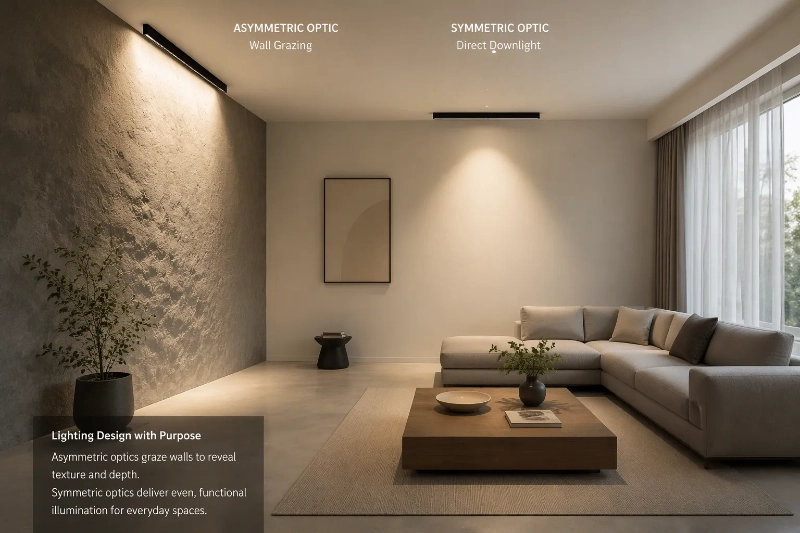
LED neon suits retail, hospitality, architectural, and outdoor signage. A led neon sign delivers uniform brightness across long runs, which keeps lettering legible at night. Businesses can match brand colors exactly or shift moods with RGB options. The aesthetics of a modern retail floor favor that clean, consistent output. Traditional glass neon cannot match this flexibility for large-scale or outdoor projects. Each option serves a distinct design goal.
A side-by-side view clarifies the neon vs led decision faster than any paragraph. The table below compares both options across the factors that matter most to buyers.
Category | LED Neon Signs | Glass Neon Signs |
Upfront Cost (USA average) | $80–$1,200+ | $300–$3,000+ |
Maintenance | Low | High |
Lifespan | 50,000+ hours | 8–15 years |
Safety | Low voltage, cool to touch, safer around guests | Fragile tubes, transformer and electrical hazards |
Durability | Impact resistant, easy to move, safer during shipping | Prone to cracking during shipping, installation, and storage |
Installation | Lightweight, often suitable for DIY | Often requires professional installers |
Aesthetics | Modern clean visuals, brighter color consistency | Vintage diner aesthetics, authentic handcrafted appeal |
The cost gap stands out first. A led neon sign typically starts well below the glass neon sign cost. That difference reflects production methods. Handmade glass neon requires skilled artisans, fragile construction, and expensive packaging. LED neon signs are lightweight enough for DIY installation and require very little maintenance.
The higher glass neon sign cost stems from handmade production requiring skilled artisans, fragile construction that demands expensive packaging and careful transport, frequent need for professional installation, and costly specialist repairs — whereas LED neon signs are lightweight enough for DIY installation and require very little maintenance.
Safety and durability favor LED as well. Glass neon involves fragile tubes and transformer hazards. LED signs generate less heat and resist impact. Shipping and relocation prove far safer for flexible strips than for rigid glass tubes.
Readers should weigh each row against their specific needs. An indoor retail space with high foot traffic benefits from the safety and low maintenance of LED. A vintage bar prioritizing atmosphere may accept the higher glass neon sign cost for authentic character.
Budget matters, but total cost of ownership matters more. The upfront pricing difference between neon vs led narrows over time as energy savings and repair avoidance accumulate. A business comparing custom led neon sign pricing against glass quotes should factor in years of operation, not just the purchase price.
Outdoor projects demand weather resistance. Modern led neon signs carry IP ratings that suit rain, dust, and temperature swings. Glass neon cracks under the same conditions. For coastal or high-humidity zones, LED offers clear durability advantages.
Style preference remains the wildcard. Traditional neon signs deliver nostalgic warmth that many buyers seek. LED neon mimics that look with cleaner uniformity. Neither choice is wrong. The table simply organizes the trade-offs so readers can match the right option to their space, climate, and budget.
Replacing glass neon with LED neon changes the look and feel of a sign, but the process itself involves more than swapping tubes. Many storefront owners consider this transition to reduce maintenance and energy costs. The switch often succeeds, but each project requires careful assessment of the existing sign's structure, power supply, and mounting method. Knowing what to expect before removing any glass tubes saves time and money.
Retrofitting a glass neon sign into an LED version is possible, but the original design heavily influences the work involved. The frame that held the glass tubes may support a silicone strip, but the mounting channels and brackets need to match the new product's shape and weight. Glass neon tubes rest on metal supports that keep them in place; LED strips often fit into extruded aluminum channels or adhesive tracks. The old mounting hardware must be removed or modified to accept the new system.
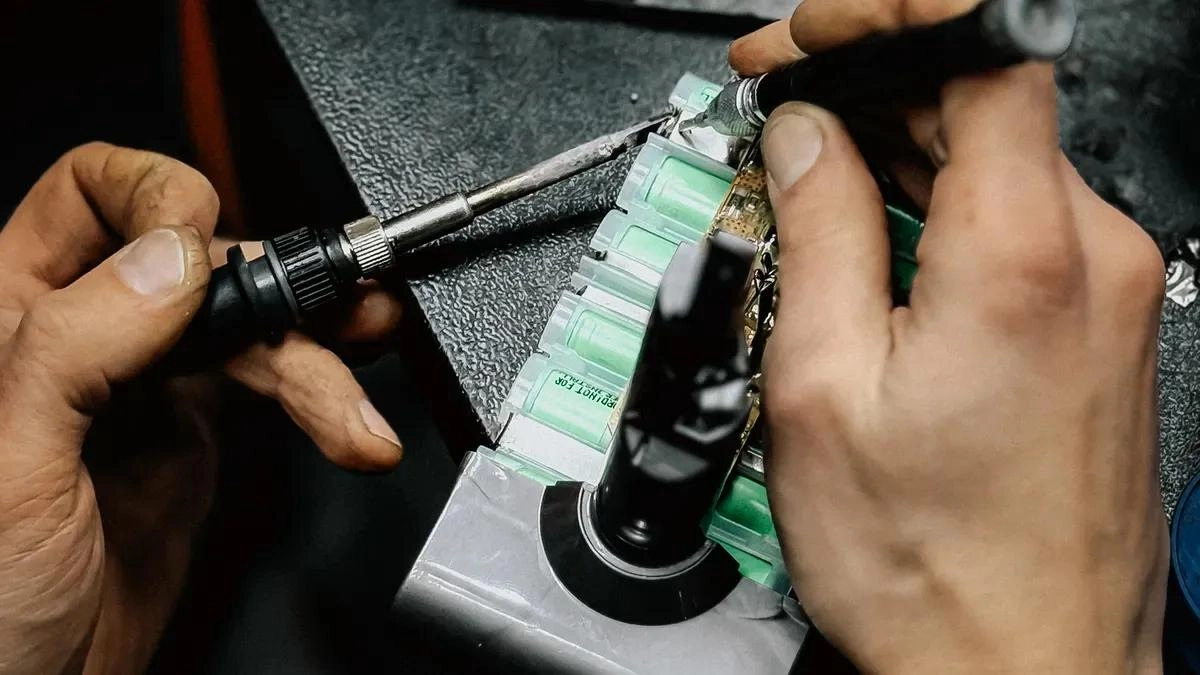
Power supply compatibility presents another hurdle. Traditional glass neon uses a high-voltage transformer, sometimes several thousand volts. LED neon operates at low voltage, typically 12V or 24V. The existing transformer cannot power an LED strip, so a new driver is required. If the sign enclosure already has space for a small driver unit, the swap is straightforward. Otherwise, an electrician must create room for the new unit and run fresh low-voltage wiring. For outdoor signs, the driver must also be housed in a weatherproof box.
The shape of the original sign matters as well. Glass neon allowed tight bends but each tube remained a separate piece. LED neon, such as silicone flexible strips, can follow the same layout if the path is not too narrow. Some glass neon designs used extremely sharp corners that exceed the bend radius of standard LED products. In those cases, a slight redesign of the letter or shape is necessary. Despite these limits, many glass neon signs can be retrofitted with minimal changes, preserving the original aesthetic while upgrading performance.
First, measure the existing design accurately. Record every tube segment, its length, angle, and overall path. A detailed sketch or photograph from above helps. This measurement becomes the blueprint for the new LED strip. Consider the distance between mounting points and any curves that may challenge a flexible strip. For complex shapes, a professional mockup is advisable.
Second, choose a silicone LED neon product that fits the measured layout. Such products support 3D bending without losing light quality and offer different widths and brightness levels. Select a size that matches the original glass tube diameter for a similar visual impact. Confirm the product's color temperature; warm white mimics the classic glow of glass neon.
Third, confirm driver compatibility. Calculate the total wattage of the LED strip run. Compare it with the output of available drivers. Ensure the driver's voltage matches the strip's rating. Plan the mounting method. For flat surfaces, adhesive channels work well. For existing frames, use aluminum extrusions that clip the strip in place. If the sign will be outdoors, verify the IP rating (e.g., IP65 or higher).
Finally, request a custom mockup from the supplier before committing to a full replacement. A virtual preview of the design in LED neon helps catch layout errors and allows adjustments to spacing or color. This step reduces the risk of ordering the wrong length or shape. For anyone seeking a smooth transition from glass neon to modern LED, a mockup is a small investment that prevents costly rework.
Newer LED strips require periodic inspection of connections, but the daily reliability far exceeds that of old glass tubes. The decision to replace glass neon with LED neon balances authenticity against long-term practicality. With careful planning, the result matches the original sign's character while delivering lower energy use, greater safety, and simpler upkeep.
For most signage and decor projects, a led neon sign offers the practical replacement. It delivers lower pricing, safer low-voltage operation, and greater durability. Traditional glass neon signs remain the choice for purists who seek authentic vintage character. Buyers should weigh four factors: budget, safety, environment, and style. Each factor points toward a clear answer for a specific space.
It is advisable to request a custom mockup before committing. A preview shows the design in led neon and confirms the value of the switch. This step removes guesswork and ensures the final sign matches expectations.
Modern LED strips typically last over 50,000 hours. Glass tubes degrade within 8 to 15 years as gas leaks and electrodes wear. The solid-state design of LED products resists vibration and weather, so they hold brightness far longer than fragile glass alternatives.
Many projects allow a DIY setup. Low-voltage drivers connect easily, and flexible strips mount with brackets or adhesive channels. High-voltage glass systems require professional handling. A business owner with basic tools can often complete an LED installation in an afternoon.
Fully exposed signs should carry IP65 or higher. That rating resists dust and water jets. Coastal or high-humidity zones benefit from IP67, which handles temporary submersion. Products rated IP68 survive full submersion beyond one meter, making them suitable for underwater and underground use.
LED products produce a smooth, uniform glow that reads as cleaner. Glass emits light in 360 degrees, creating a soft halo with handcrafted character. Buyers who want warmth can specify warm-tone LEDs to mimic the classic look.
Retrofitting often works when the frame supports new mounting channels and a low-voltage driver. Sharp bends may require slight redesigns. A custom mockup before committing reduces the risk of ordering wrong lengths or shapes.
Please provide the following detailed information so that our business representatives can better understand your needs and get in touch with you as soon as possible.