
 EN
EN
 English
 繁体中文
繁体中文 Italian
 Greek
Greek Spanish
 Hebrew
 Japanese
 Portuguese
 Korean
 Russian
 French
 German
 Arabic
Blog & Events
Follow NOVANEON for more valuable information to know early
Follow NOVANEON for more valuable information to know early
Jul 24Source: Views: 309
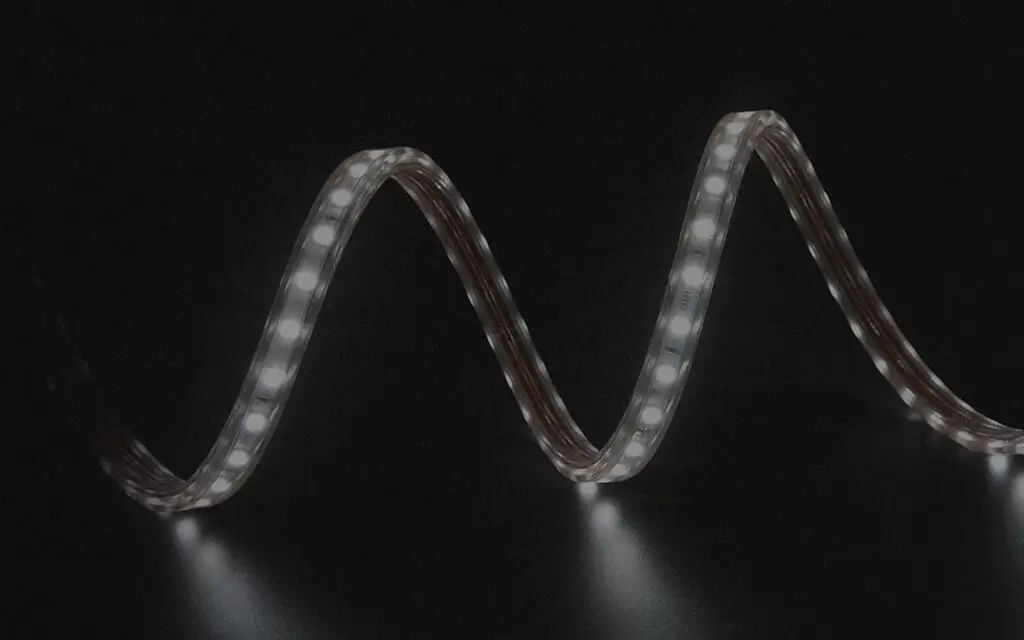
Lighting shapes every aspect of underground work. Workers rely on strong, reliable lighting to navigate tunnels and mines safely. Poor lighting can increase the risk of accidents and slow down operations. Underground led flex provides a practical solution for hazardous environments where safety matters most. Explosion-proof and energy-efficient designs withstand harsh conditions. Proper lighting installation ensures dependable performance and long-term protection for workers. High-quality lighting improves both visibility and overall safety.
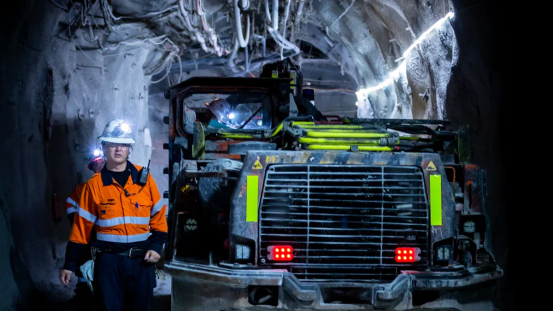
Lighting plays a crucial role in underground environments. Workers in tunnels and mines need clear visibility to avoid hazards and perform their tasks safely. Underground led flex provides a significant upgrade over traditional lighting. It delivers higher luminous efficiency, which means brighter and more reliable illumination. Uniform lighting eliminates dark spots, so workers can see every corner of the workspace. This reduces the risk of slips, trips, and falls. Reduced glare also improves visual comfort for both pedestrians and drivers. The durability of led flex lighting ensures consistent performance, even in harsh underground conditions. Smart dimming features help save energy and extend the life of each fixture.
· Higher luminous efficiency leads to brighter lighting.
· Uniform illumination eliminates dark spots, enhancing safety.
· Reduced glare improves visual comfort for pedestrians and drivers.
· Better durability in harsh environments ensures consistent performance.
· Smart dimming features contribute to energy savings and longer fixture life.
Underground environments demand reliable emergency lighting. Power failures or fire emergencies can happen at any time. Led flex lighting systems must stay operational during these events to guide workers to safety. The following table shows how underground led flex meets the strict requirements for emergency lighting in tunnels and mines:
Requirement | Description |
Emergency Runtime | Must remain operational for a minimum of one hour after power loss, maintaining required illuminance levels. |
Heat Resistance | Equipment must operate in temperatures up to 300–500°C, exceeding the limits of conventional LED drivers. |
Smoke-Environment Visibility | Lighting must remain functional in smoke-filled conditions, ensuring safe navigation for occupants. |
MTLx System Compliance | Engineered specifically to meet NFPA 130 requirements, addressing failure modes of conventional systems. |
Underground led flex uses a true AC-driven architecture, which eliminates the vulnerability of conventional led drivers to heat. These systems are designed to function during fire emergencies and comply with NFPA 130 standards. Workers can rely on this lighting to find exits and avoid danger, even in smoke-filled or high-temperature situations.
Strict safety standards govern lighting in tunnels and mines. Underground led flex lighting complies with these standards to protect workers and equipment. The following table highlights key safety features and compliance points:
Safety Standard | Compliance Features |
ATEX / IECEx | Complies with Ex m protection for Zones 1, 2, 21, 22, and Mining applications |
Low-Voltage Design | Operates on AC/DC 24–48V systems to minimize ignition risks |
Overload Protection | Includes overload and short-circuit protection in circuit design |
Redundancy | Features parallel LED configuration for added reliability |
Certifications such as ATEX and IECEx are essential for lighting in hazardous locations. These approvals ensure that lighting will not ignite flammable gases, vapors, or dust. Applications include mining operations, tunnels, chemical plants, oil and gas refineries, and hazardous material storage. Underground led flex lighting meets these requirements, providing peace of mind for operators and safety for workers. By following these standards, companies reduce risks and create a safer underground environment.
Underground led flex lighting stands out for its robust construction and advanced technology. Manufacturers design these systems to handle the demanding conditions found in tunnels and mines. The compact design, often measuring just 20×10mm, allows for easy installation in tight spaces. A 180° beam angle ensures wide and even light distribution, which helps eliminate shadows and dark spots. The parallel circuit design means that if one section fails, the rest of the lighting continues to operate. This feature greatly enhances safety in critical areas. The long operational lifespan, often reaching up to 10 years, reduces the need for frequent replacements. A five-year warranty further demonstrates the reliability and durability of these led solutions.
Lighting in underground environments must meet strict requirements. Underground led flex provides several technical advantages that make it ideal for these settings:
1. The 10-year lifespan reduces the frequency of replacements, saving time and resources.
2. Parallel circuit design minimizes the impact of individual failures, keeping the area illuminated.
3. Cost savings result from reduced maintenance and simpler installation processes.
Workers benefit from clear, consistent lighting that supports both daily operations and emergency situations. The chasing light effect, with pre-set motion patterns, offers clear guidance during evacuations or emergencies. This feature can direct people safely through tunnels and shafts.
Safety remains a top priority in underground spaces. Underground led flex lighting meets international standards for explosion-proof and heavy-duty performance. The following table highlights essential features:
Feature | Description |
Explosion-proof certifications | IECEx and ATEX certified for Zones 1, 2, 21 & 22, Mining approved |
Waterproofing | IP67 rated, suitable for wet environments |
Impact resistance | Designed to withstand physical impacts |
Long operational lifespan | 5-year warranty, indicating durability and reliability |
Functionality on failure | Maintains operation even if a section fails, enhancing safety in critical areas |
These features ensure that lighting continues to function in hazardous or wet environments. Workers can rely on led lighting to provide consistent illumination, even when conditions become challenging.
Selecting the right lighting for tunnels and mines is essential. Underground environments require lighting that can handle dust, moisture, and vibration. Industrial lighting must also meet strict safety standards. Explosion-proof lighting protects workers from hazards in areas with flammable gases or dust. Energy-efficient lighting reduces costs and supports long-term operations.
Linear flex strips offer a practical solution for underground lighting needs. These strips provide continuous, uniform lighting along walls, ceilings, or walkways. Industrial lighting with linear flex strips helps eliminate shadows and dark spots. Workers benefit from clear visibility, which reduces the risk of accidents. The slim design allows installation in narrow spaces. Many linear flex strips use led technology, which increases energy efficiency and lowers maintenance needs. These strips often come with waterproof and impact-resistant features, making them suitable for harsh underground conditions. Linear flex strips support both general and emergency lighting requirements in tunnels and mines.
Rope and tube lighting brings flexibility to underground industrial lighting projects. These lighting solutions can bend around corners and fit into irregular spaces. Rope lighting uses durable materials that resist moisture and dust. Tube lighting offers a higher level of protection and can withstand impacts from equipment or debris. Both types of lighting use led sources, which provide bright, reliable illumination. Rope and tube lighting can mark pathways, highlight hazards, or outline equipment zones. Industrial lighting with these products improves safety and navigation in complex underground layouts. Quick installation and easy maintenance make rope and tube lighting a popular choice for many sites.
Custom and modular lighting systems address unique underground challenges. Industrial lighting in tunnels and mines often requires tailored solutions. Custom lighting ensures that every area receives the right amount of illumination. Modular systems allow for quick changes or expansions as site needs evolve. These lighting options use led technology for better energy efficiency and longer life. Pre-planned installation processes reduce setup time and costs. Operators can bulk order components, which lowers maintenance expenses and improves operational efficiency.
Custom and modular lighting systems deliver several key benefits for underground environments:
Benefit | Description |
Long-term ROI | Custom led systems enhance return on investment through energy efficiency. |
Safety | Uniform lighting reduces accident risks and meets safety regulations. |
Customization | Tailored solutions meet all specifications, avoiding performance inconsistencies. |
Installation Efficiency | Pre-planned installation reduces time and costs during setup. |
Maintenance Cost Reduction | Bulk purchasing and customization lower maintenance costs and improve operational efficiency. |
Industrial lighting with custom and modular systems supports both safety and productivity. These lighting solutions adapt to changing site conditions and help operators meet strict safety standards.
Selecting the correct brightness and light distribution for underground led lighting requires careful evaluation. Industrial lighting in tunnels and mines must address unique challenges. The following factors help guide the selection process:
· Environmental conditions, such as humidity, temperature, and explosion risks, influence lighting choices.
· Brightness levels determine how well workers can see. Adequate lumens ensure safe navigation.
· Energy efficiency impacts operational costs. High lumens per watt reduce expenses.
· Durability ensures lighting withstands harsh industrial environments.
· Color temperature, whether warm or cool white, affects safety and productivity.
· Beam angle must match ceiling height and specific tasks for effective light distribution.
· Safety standards require compliance with industrial regulations.
Industrial lighting systems that meet these criteria provide reliable illumination and support worker safety.
Durability plays a vital role in underground led lighting. IP ratings indicate protection against dust and water, while IK ratings measure resistance to mechanical impact. These ratings ensure lighting remains functional in challenging environments. A higher IK rating, such as IK10, means the fixture can withstand strong external forces. This level of protection is essential for industrial lighting exposed to frequent impacts or vibrations. Choosing the right IK rating depends on installation height, accessibility, and environmental exposure. Proper ratings guarantee long-lasting led lighting performance.
Energy efficiency stands as a key advantage of led lighting over traditional technologies. The table below compares different lighting types used in industrial lighting applications:
Lighting Type | Energy Efficiency | Average Lifespan | Operating Cost (25,000 hours) |
LED | 90% efficient | 25,000 hours | $30 |
CFL | 85% efficient | 8,000 hours | ~$85 |
Incandescent | 10% efficient | 750 hours | $169 |
Industrial lighting with led technology reduces energy consumption and operating costs. Longer lifespans also mean fewer replacements, supporting continuous operations in tunnels and mines.
Compatibility with site needs ensures that led lighting solutions deliver optimal performance. Industrial lighting must adapt to the specific requirements of each tunnel or mine. Factors such as ceiling height, workspace layout, and the presence of hazardous materials influence the choice of lighting. Selecting led lighting that matches these needs improves safety, efficiency, and compliance with regulations. Proper planning and assessment help operators achieve the best results from their lighting investments.

Successful installation of underground LED flex lighting begins with careful planning. Project managers assess the site to identify hazards and select the right industrial lighting for each area. They review the layout to determine the best placement for lighting fixtures. Planning also includes checking power sources and ensuring that all lighting components meet safety standards. Early preparation helps prevent delays and reduces the risk of errors during installation.
Correct mounting techniques play a vital role in the effectiveness and safety of industrial lighting. Installers must secure lighting fixtures to withstand vibration and impact common in tunnels and mines. They use mounting brackets and hardware designed for heavy-duty environments. Following manufacturer guidelines ensures that lighting remains stable and functional. Proper mounting also supports heat dissipation, which prevents overheating and extends the lifespan of lighting systems. Installers should avoid shortcuts, as improper installation can compromise both safety and performance.
Tip: Always base installation methods on the specific luminaire type to meet operational standards and maximize lighting efficiency.
Installers must follow strict safety standards when working with underground LED flex lighting. These standards protect workers and equipment in challenging environments. Key requirements include:
· Proper wiring to prevent electric shock and ensure safety.
· Adequate heat dissipation to avoid overheating and fire hazards.
· Waterproofing to protect lighting from moisture damage.
· Use of certified products to comply with safety regulations.
Meeting these standards ensures that industrial lighting operates reliably and safely in underground settings.
Regular maintenance and inspection routines keep industrial lighting systems in top condition. The table below outlines essential tasks:
Maintenance Routine | Description |
Cleaning | Regularly clean lenses and fixtures to remove dirt and debris, especially in dusty or humid environments. |
Inspection | Inspect for cracks, rust, or signs of water ingress; replace damaged components promptly. |
Heat Management | Use fixtures with efficient cooling to prevent overheating and extend operational life. |
Consistent maintenance helps prevent failures and supports long-term safety in tunnels and mines. Operators who prioritize inspection and cleaning extend the life of their industrial lighting and reduce downtime.
LED flex lighting transforms underground environments by improving both safety and productivity. Workers depend on clear, consistent lighting to perform tasks accurately. Poor lighting conditions can lower alertness and reduce cognitive performance. Visual comfort remains essential for maintaining safety and efficiency during long shifts. High-quality lighting systems, including smart controls, help workers stay focused and avoid mistakes. Enhanced lighting reduces the risk of accidents and supports a safer workspace. Teams experience fewer disruptions when lighting remains reliable.
· Poor lighting can decrease alertness and cognitive function.
· Visual comfort supports safety and task efficiency.
· Upgraded lighting systems help prevent accidents.
LED flex lighting offers significant cost savings for tunnel and mine operators. These systems use less energy than traditional lighting, which lowers utility bills. The long lifespan of LED lighting reduces the need for frequent replacements. Fewer maintenance interruptions mean less downtime for operations. Quick installation and modular designs allow teams to adapt lighting layouts as site needs change. Operators can invest in lighting that delivers both immediate and long-term value.
Benefit | Description |
Lower Energy Costs | LED lighting uses less power, saving money. |
Reduced Maintenance | Fewer replacements lower labor and material costs. |
Less Downtime | Reliable lighting keeps operations running. |
Tip: Investing in efficient lighting systems helps companies control expenses and maintain productivity.
LED flex lighting supports environmental goals in underground projects. These systems use advanced technology to maximize efficiency and minimize waste. Lower energy consumption reduces greenhouse gas emissions. The long operational life of LED lighting means fewer fixtures end up in landfills. Many manufacturers design lighting products with recyclable materials. Operators who choose efficient lighting contribute to a cleaner and safer environment.
· LED lighting reduces energy use and emissions.
· Long-lasting fixtures decrease waste.
· Recyclable materials support sustainability.
Underground LED flex lighting meets strict lighting requirements for tunnels and mines. Operators see major gains in safety and efficiency when they follow every guideline for lighting requirements. The table below highlights key operational and safety benefits that address lighting requirements and support safety lights:
Benefit | Description |
Energy Efficiency | Ultra-long LED flex can save up to 80% on electricity costs compared to traditional lighting. |
Reduced Maintenance | With a lifespan of 50,000 to 100,000 hours, it minimizes the need for frequent replacements. |
Design Versatility | The flexibility allows for creative designs, making it suitable for complex architectural projects. |
Quick Installation | Easy installation and reduced wiring complexity lead to faster project completion and lower labor costs. |
Explosion-proof and energy-efficient lighting solutions help meet lighting requirements and reduce downtime. These systems address requirements for durability and visibility. Operators benefit from better optical control and enhanced safety. They also see lower maintenance costs in hazardous conditions. Custom options allow teams to match lighting requirements for unique underground spaces. As technology advances, LED flex lighting will continue to set new standards for lighting requirements and safety in underground environments.
· Explosion-proof LED lighting reduces relamping, which is crucial for meeting lighting requirements in hazardous areas.
· These lighting solutions provide better optical control, ensuring lighting requirements for uniform light distribution.
· Enhanced durability in hazardous conditions leads to lower maintenance costs and increased safety, meeting all requirements.
Underground LED flex lighting meets strict requirements for hazardous location environments. Manufacturers design each fixture to resist dust, moisture, and vibration. These features help protect workers and equipment in areas where flammable gases or dust may exist.
LED flex lighting helps sites meet health and safety standards by providing reliable illumination. Each fixture reduces accident risks and supports emergency procedures. Consistent lighting improves visibility, which is essential for safe industrial operations.
LED flex lighting uses advanced technology to lower energy consumption. Each fixture delivers high output with less power. Operators see reduced energy costs and improved efficiency in industrial environments.
An industrial LED fixture needs regular cleaning and inspection. Workers should check for damage and replace faulty parts. Proper maintenance ensures each fixture operates safely and meets health and safety standards in hazardous location areas.
LED fixtures offer longer lifespans and lower energy consumption. They withstand harsh conditions in industrial sites. Operators benefit from fewer replacements and reduced downtime, making LED fixtures a smart choice for hazardous location applications.
Please provide the following detailed information so that our business representatives can better understand your needs and get in touch with you as soon as possible.