
 EN
EN
 English
 繁体中文
繁体中文 Italian
 Greek
Greek Spanish
 Hebrew
 Japanese
 Portuguese
 Korean
 Russian
 French
 German
 Arabic
Blog & Events
Follow NOVANEON for more valuable information to know early
Follow NOVANEON for more valuable information to know early
Jul 24Source: Views: 305
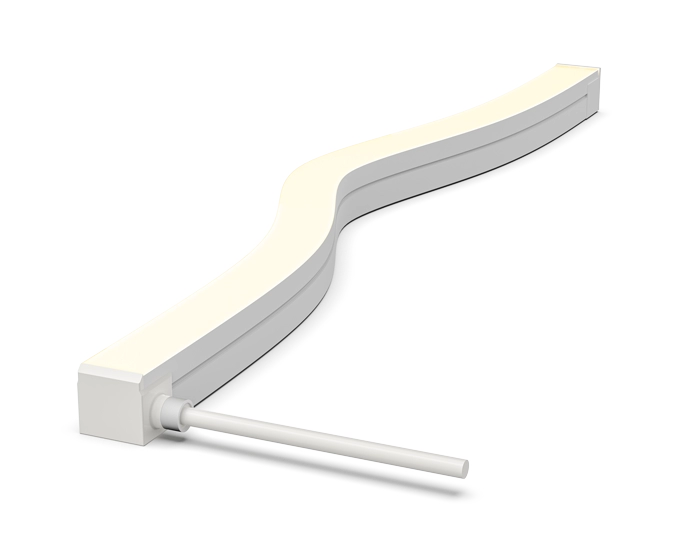
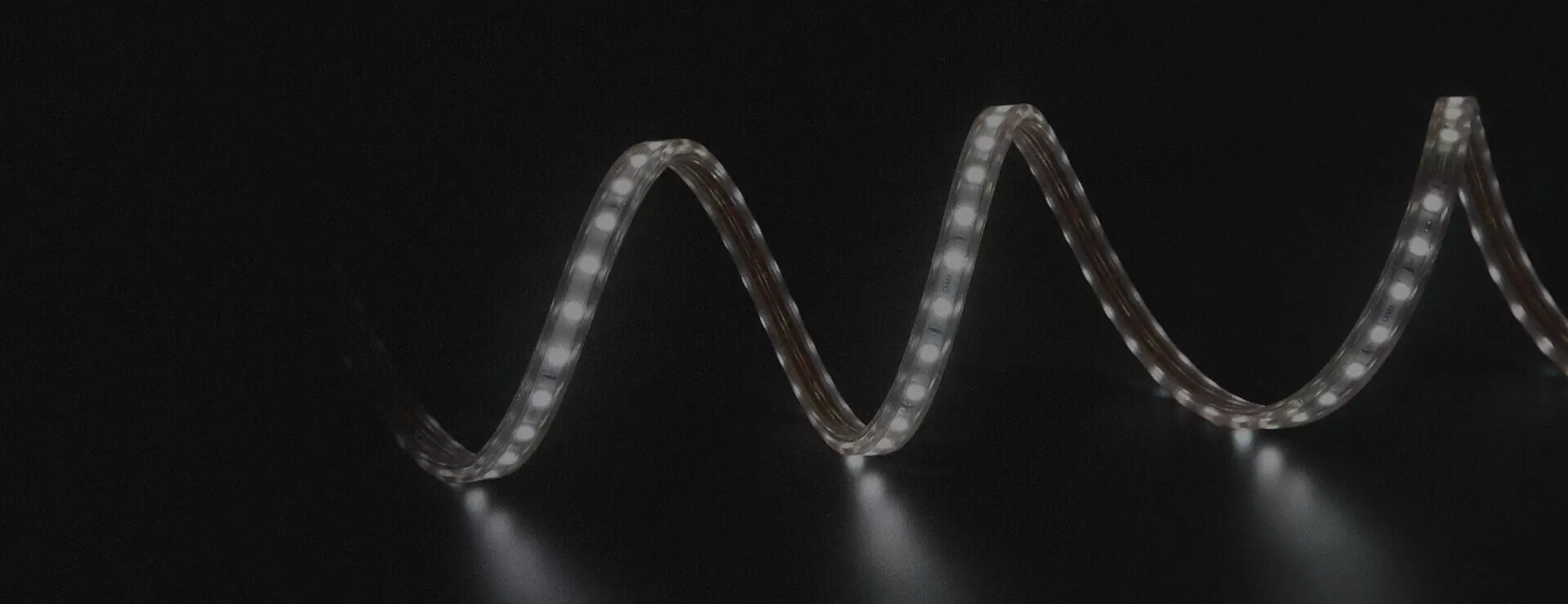
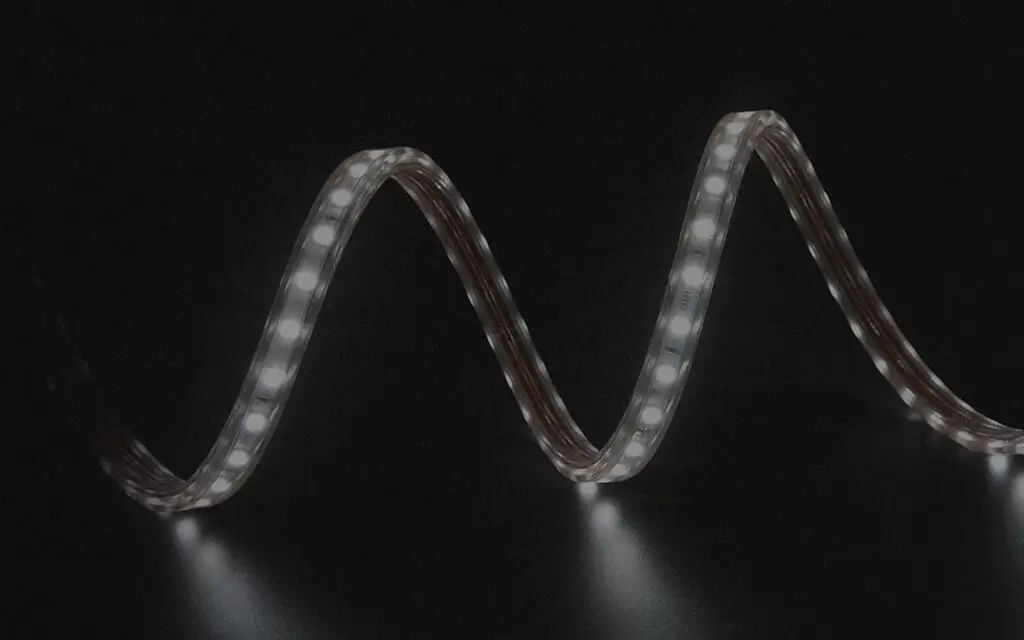
You want your flexible wall washer to work well for years. Taking care of it often helps it last longer and shine bright. Flexible wall washer units are important in lighting design. They make your walls stand out and give outdoor lighting a cool look. If you do regular maintenance, you keep the led system safe and make it last longer. Flexible wall washer lights use led technology. This means you save energy and the lights last longer. You will see a change in how your space looks and how your outdoor lighting works. If you follow the right steps, your flexible wall washer will last a long time and give you nice lighting every day.
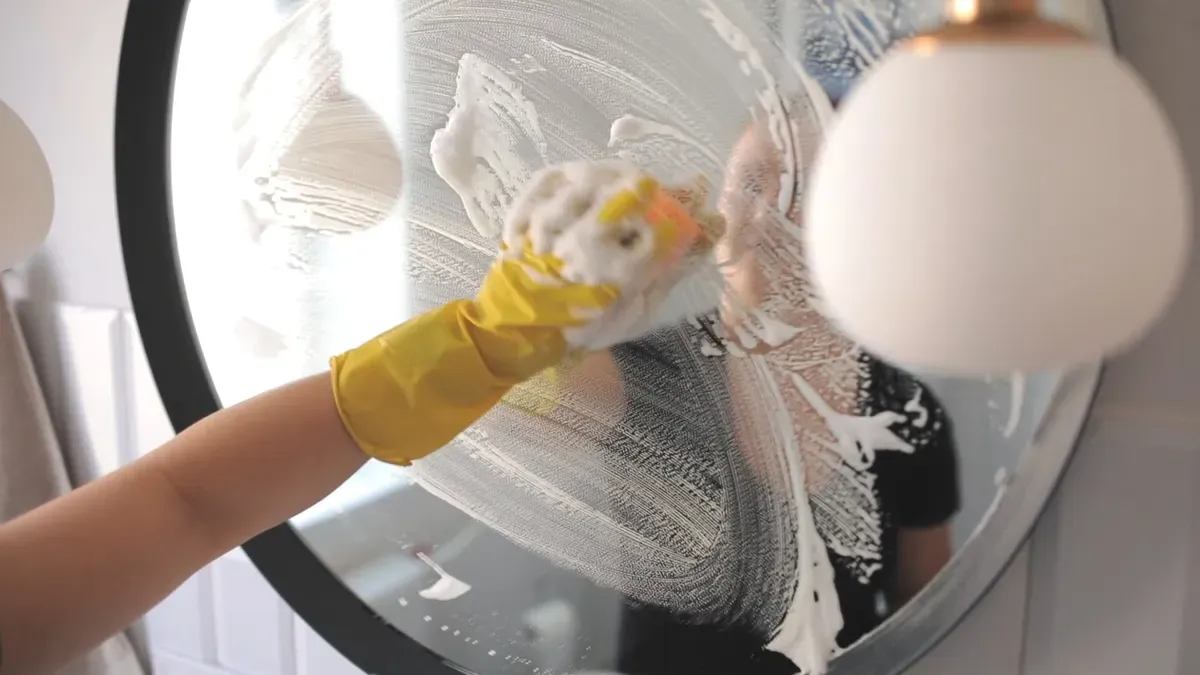
You want your flexible wall washer to look great and work well. Cleaning it the right way helps you avoid problems and keeps your lighting bright. Start by turning off the power to the fixture. Use a soft, dry cloth to wipe away dust and dirt. If you see stubborn spots, dip the cloth in a mild soap solution and gently clean the surface. Never use harsh chemicals or rough sponges. These can scratch the lens or damage the finish.
Tip: Clean your wall washer every few months. If you live in a dusty area or near the coast, you may need to clean it more often.
Make sure you dry the fixture with a clean towel. Water left on the surface can cause spots or even damage the housing over time. Good cleaning habits are a simple part of your regular maintenance routine.
Seasonal inspections help you catch small issues before they turn into big repairs. You should check your flexible wall washer at least twice a year. Look for loose fasteners, damaged wiring, or cracks in the housing. These problems can affect how your light works and may even cause safety risks.
When you inspect your wall washer, you might notice signs of wear or damage. Here are some common things to watch for:
Sign of Damage | What It Means |
Vertical seam cracks in drywall | Tape failure, framing movement, or fastener pops |
Diagonal cracks from window corners | Settlement or lintel movement |
Bulging or hollow-sounding plaster | Moisture damage or poor bonding |
Efflorescence (white powder) on masonry | Moisture moving salts through the wall |
Peeling exterior paint near grade | Water splash-back or rising damp |
If you spot any of these issues, take action right away. Tighten loose screws, replace damaged parts, and fix any wiring problems. Regular maintenance keeps your wall washer safe and working well. You also protect your home’s look and avoid costly repairs later.
Note: Write down what you find during each inspection. This record helps you track changes and plan future maintenance.
By following these cleaning and inspection steps, you make maintenance easy and keep your flexible wall washer shining for years.
You want your flexible wall washer to last. Handle it with care during installation and cleaning. Never pull or twist the fixture. Hold it by the base, not the wires. This keeps the parts safe and working well.
Here are some best practices you can follow:
Best Practice | Description |
Beam Angle Selection | Pick the right angle for your wall height and how far the light sits from the wall. |
Spacing of Fixtures | Place each fixture at the right distance. Too close or too far gives uneven light. |
Use of Optical Lenses | Use the correct lens for smooth, even lighting on your wall. |
If you follow these tips, you help your wall washer work better and look great. Good handling also makes your maintenance routine easier.
Flexible wall washers need air to stay cool. If you block the vents, the fixture can overheat. Overheating can damage the light and shorten its life. Always check that nothing covers the vents or blocks airflow. You can use a small brush to clear away dust or leaves. If you install your wall washer near plants or furniture, leave space for air to move.
Tip: Check the vents every time you do maintenance. Clean vents help your wall washer last longer.
You should always put safety first. Turn off the power before you touch your wall washer. Use dry hands and tools. If you see damaged wires or loose connections, fix them right away. Never use tape to cover up a problem. Replace broken parts with ones that match your fixture.
If you feel unsure about any electrical work, call a licensed electrician. Safe habits protect you and your home. Regular maintenance also helps you spot problems before they get worse.
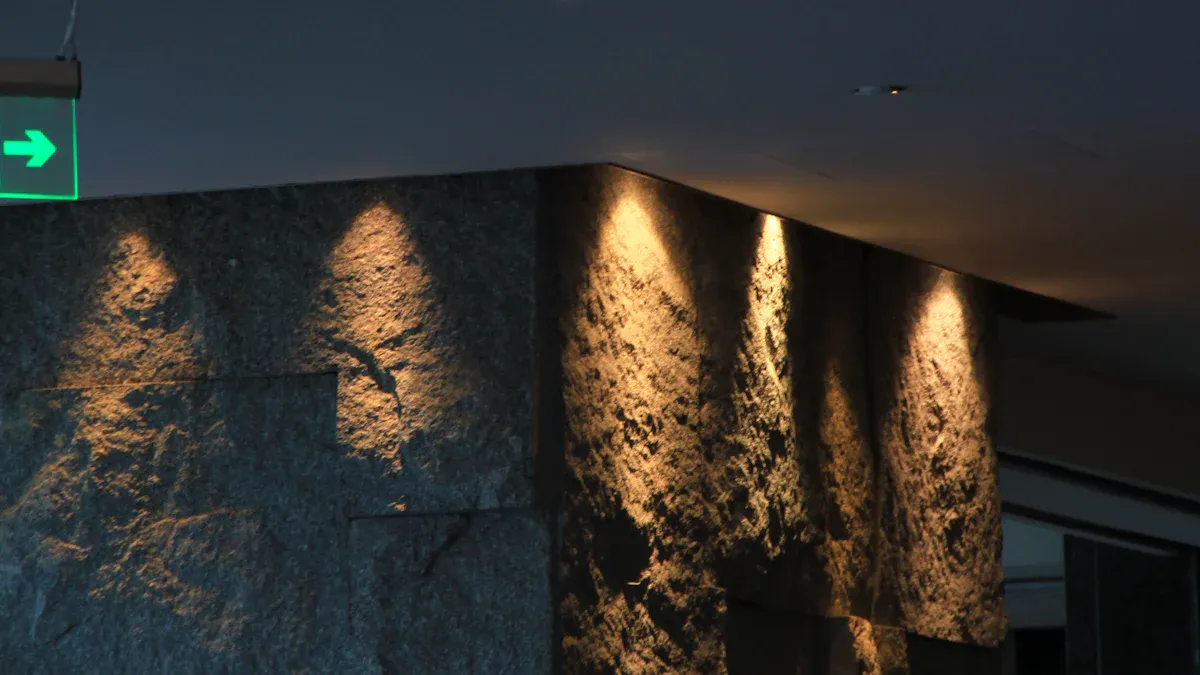
You want your flexible wall washer to last as long as possible. The way you use your led fixtures makes a big difference in their lifetime. If you leave your lights on all the time, they will wear out faster. Try to turn off your led wall washers when you do not need them. This simple habit helps with maximizing lifespan and saves you money.
Take a look at how different factors affect the lifetime of your lighting design:
Factor | Impact on Longevity |
Usage Frequency | Heavier usage leads to shorter lifespans |
Household Size | Larger families put more stress on appliances |
Maintenance | Proper care can extend lifespan |
If you have a big family or use your led lighting design often, you may notice the lifetime drops faster. You can help by using timers or smart controls. These tools turn your led wall washers off when no one is around. This keeps your lighting design working longer and helps with energy efficiency.
Always use the right voltage and components for your led wall washer. Using the wrong parts can damage the fixture and shorten its lifetime. Check your manual or ask a professional if you are not sure. Good choices in lighting design protect your investment and keep your home looking great.
Tip: Schedule preventive maintenance every few months. This keeps your led fixtures in top shape and helps you spot problems early.
Saving energy is good for your wallet and the planet. Led wall washers already use less power than old lights, but you can do even more. Start by cleaning your fixtures every 6–12 months. Dust and dirt block light and make your led system work harder. Clean lights use less energy and last longer.
Here are some easy habits to boost energy efficiency and maximize the lifetime of your lighting design:
· Turn off led wall washers when you leave the room.
· Use dimmers to lower the brightness when you do not need full light.
· Upgrade to smart controls for your led lighting design. These can adjust brightness and timing automatically.
· Check for damaged wiring or loose parts during maintenance. Fixing small issues keeps your led system running smoothly.
In hot or coastal areas, do a quick infrared (IR) check every three months. This helps you spot overheating before it hurts your led wall washer. If you want to go high-tech, try IoT sensors. These can watch for temperature spikes or other problems in your lighting design.
You can also run a short test when you install new led fixtures. Let them run for 24–72 hours and check the temperature. If you see anything strange, fix it right away. This step helps you avoid problems and keeps your led wall washers working for their full lifetime.
Note: Always log your maintenance checks. Write down what you find and when you fix things. This record helps you track the lifetime of your led lighting design and plan upgrades.
If you follow these energy-saving habits, you will enjoy bright, reliable led lighting design for years. You will also help the environment and save on your energy bills. Good habits make maximizing lifespan easy and stress-free.
Moisture can sneak into your flexible wall washer and cause trouble. High humidity may lead to condensation inside the fixture. This can hurt how well your light works and even shorten its life. You want to keep things dry and safe.
· High humidity can cause moisture to get inside, which affects the light’s performance and reliability.
· Some wall washers use BASF TPU and PU resin. These materials create a waterproof seal and help keep moisture out.
· If your fixture has an IP67 or IP68 rating, it has a strong seal against water. This means you do not have to worry about water damage or condensation inside.
You can help by drying out damp areas in your home. Open windows and use fans to move air around. If you have a spot that always feels damp, try a dehumidifier. Airing out your home also helps stop mold and mildew from growing.
Tip: Open windows when you cook or shower. This keeps moisture from building up and protects your wall washers.
Dust and debris can block light and make your wall washer look dull. You want to keep the area around your fixture clean.
· After a party or event, use a soft cloth and a little isopropyl alcohol to wipe away dust.
· Stay away from pressure washers. They can break the seals and let water in.
A quick wipe every few months keeps your wall washer shining bright. Clean fixtures also last longer and work better.
Flexible wall washers can handle a wide range of temperatures. You do not need to worry about most weather changes.
· These fixtures work safely from -30°C to +50°C.
If you live somewhere very hot or cold, your wall washer can still perform well. Just check it during your regular maintenance. If you notice anything strange, like flickering or dimming, take a closer look.
Note: Keeping your wall washer clean and dry helps it handle temperature swings with no problem.
You want your led wall washers to last a long time. The materials you pick matter for how strong they are. Good outdoor lighting fixtures use special materials. These materials help them handle bad weather and daily use. Look at this table to see what to look for:
Material Type | Description |
Silicone | Provides flexibility and durability, allowing for easy bending and twisting. |
Soft Plastic | Ensures versatile installation options due to its flexible nature. |
Anti-UV Materials | Enhances weather resistance, making the product suitable for outdoor use. |
If you choose led outdoor lighting fixtures with these materials, they last longer. Silicone makes the fixture strong and bendy. Soft plastic lets you put your led wall washer in many spots. Anti-UV materials stop sun damage. These things help your led wall washer work outside, even when the weather is rough.
You want your led wall washer to fit your space and look good. Check if your outdoor lighting fixtures work with different add-ons. Some led wall washers need special brackets or connectors. Others can use smart controls or dimmers. If you pick led fixtures that work with common accessories, you can change your setup later.
Here are some things to check for accessory compatibility:
· Make sure your led wall washer works with your power supply.
· Look for led fixtures that support smart home systems.
· Pick outdoor lighting fixtures that let you add covers or shields for extra protection.
Using the right accessories helps your led wall washer last longer. It also makes your outdoor lighting fixtures easier to use and take care of.
Sometimes you need help with your led outdoor lighting fixtures. A good company will help if you have questions or problems. You can call or email for help with setup, repairs, or upgrades. If you buy led wall washers from a trusted brand, you get better service and longer use.
Tip: Keep your receipts and manuals. These help you get support or warranty service if you need it.
Professional support keeps your led wall washer working well. You get bright, safe outdoor lighting fixtures for a long time.
You can keep your flexible wall washers in top shape with a few simple habits. Clean them gently, check for damage, and handle them with care. Turn off your lights when you do not need them. Use the right parts and keep things dry. These steps save you money and help your lights last longer.
When you follow these tips, you enjoy bright, beautiful lighting every day. Your home will shine for years to come!
You should clean your wall washer every three to six months. If you live in a dusty area, clean it more often. Regular cleaning keeps your light bright and helps it last longer.
No, you should not use harsh chemicals or abrasive cleaners. Stick with a soft cloth and mild soap. This keeps the finish and lens safe from scratches or damage.
First, check for loose wires or connections. Make sure the power is off before you touch anything. If you cannot find the problem, call a licensed electrician for help.
Yes, as long as your fixture has a proper IP rating like IP67 or IP68. These ratings mean your wall washer can handle rain and dust. Always follow the manufacturer’s instructions for outdoor use.
Please provide the following detailed information so that our business representatives can better understand your needs and get in touch with you as soon as possible.