
 EN
EN
 English
 繁体中文
繁体中文 Italian
 Greek
Greek Spanish
 Hebrew
 Japanese
 Portuguese
 Korean
 Russian
 French
 German
 Arabic
Blog & Events
Follow NOVANEON for more valuable information to know early
Follow NOVANEON for more valuable information to know early
Aug 04Source: Views: 187
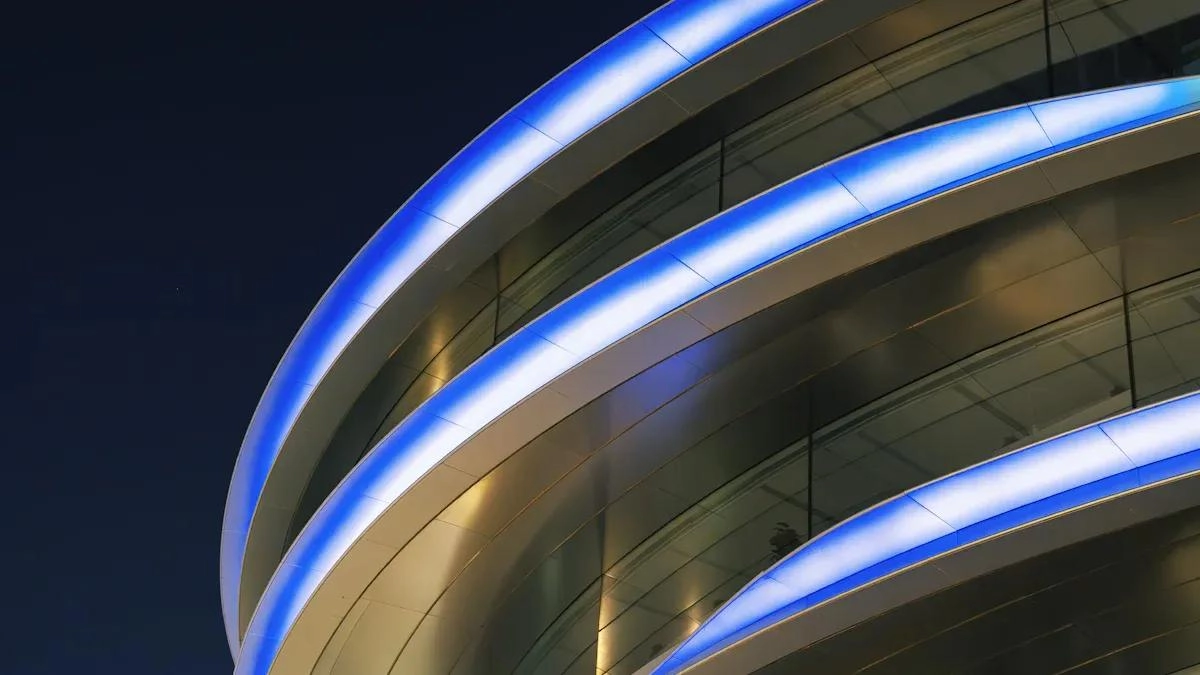
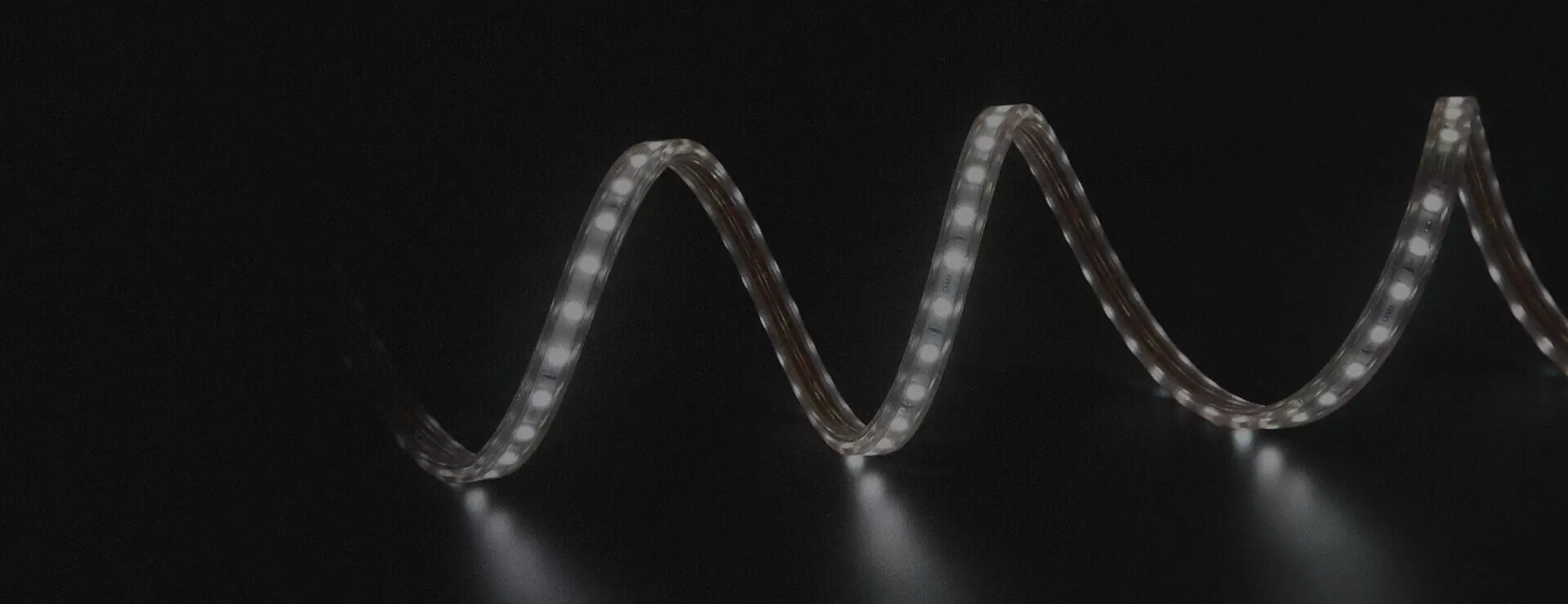
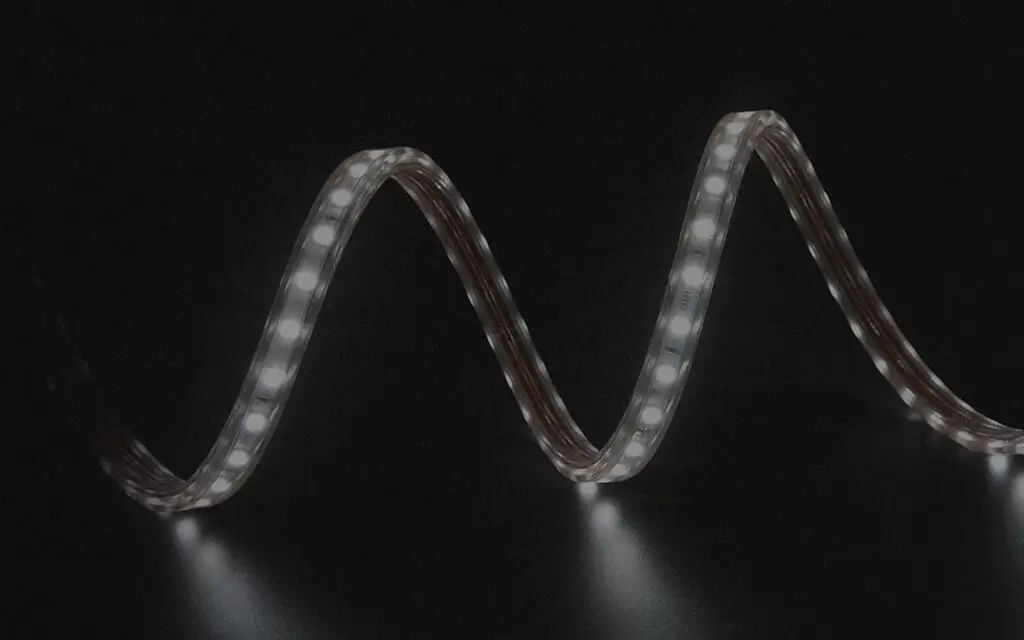
Modern lighting design presents a critical spatial dilemma. Uniform vertical illumination flattens spatial perception, whereas texture accentuation exposes dramatic tactile depth. Standard rigid fixtures fail on organic serpentine surfaces. Fortunately, a durable flexible wall washer bends around complex contours effortlessly. This versatile luminaire transforms architectural lighting along challenging linear and curved layouts.
Quick-Reference Texture Guidelines:
· Smooth Finishes (Drywall, Gypsum Board): Specifiers choose wide-angle optical distributions for uniform wall washing. Maintain fixture setback distances between two and three feet.
· Heavy Textures (Brick, Stacked Stone): Specifiers deploy narrow-beam optic layouts for close-range wall grazing. Place fixtures six to twelve inches from surfaces to emphasize architecture effectively.
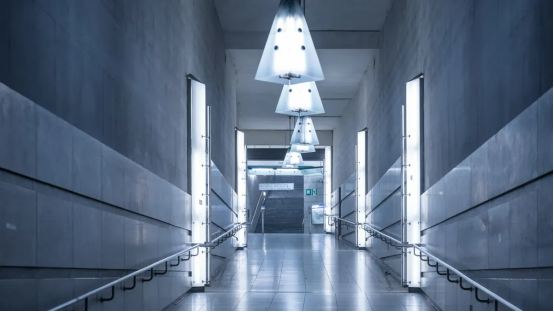
Architectural lighting design relies heavily on two foundational approaches for vertical surfaces. Designers choose between soft diffusion and dramatic texture accentuation to transform structural planes. Choosing the correct strategy determines how occupants perceive spatial boundaries, material craftsmanship, and overall atmosphere.
The wall washing method distributes indirect light across a vertical plane to eliminate dark spots and visual clutter. Lighting designers utilize wide-angle optics mounted at a greater distance from the boundary. This physical distance allows light beams to expand fully before contacting the target wall. The overlapping wide distribution delivers smooth, even lighting across the entire vertical height.
This lighting technique scatters illumination across the material instead of striking at a steep vector. The broad throw masks minor structural deviations and creates a sense of spatial expansive modern interiors. Furthermore, wall washing transforms dark vertical planes into secondary light sources by reflecting soft ambient ambient light back into the room. Architectural projects frequently implement this strategy on expansive display planes, gallery walls, and painted surfaces where glare control and brightness uniformity remain top priorities.
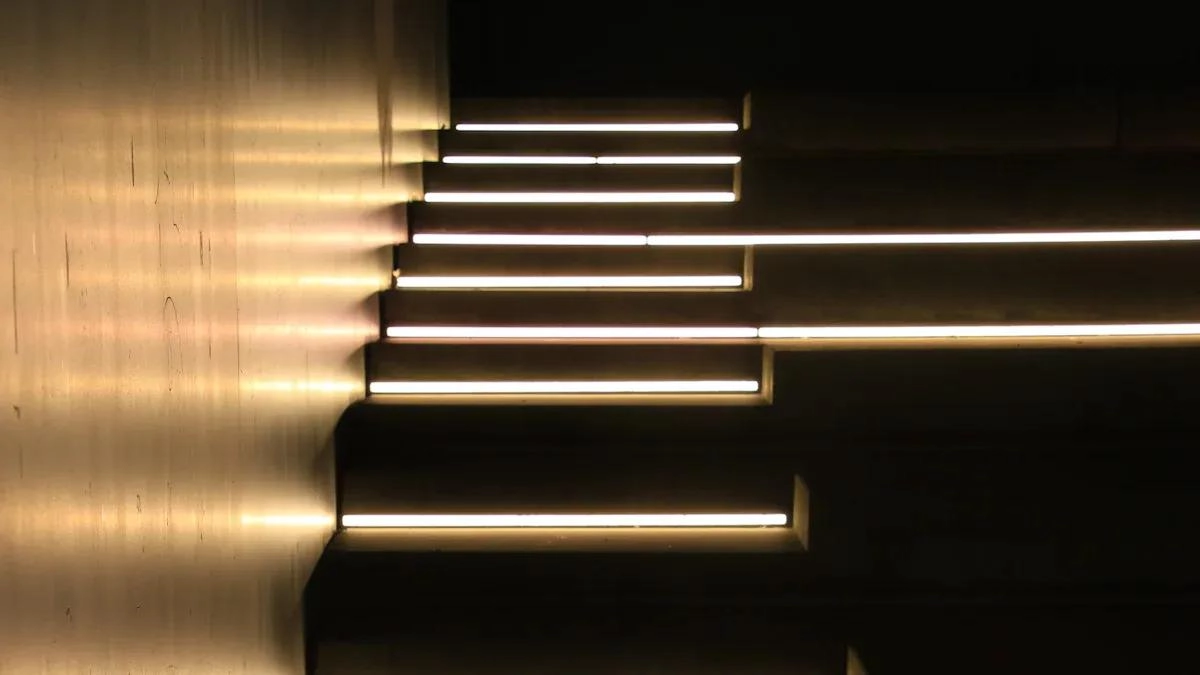
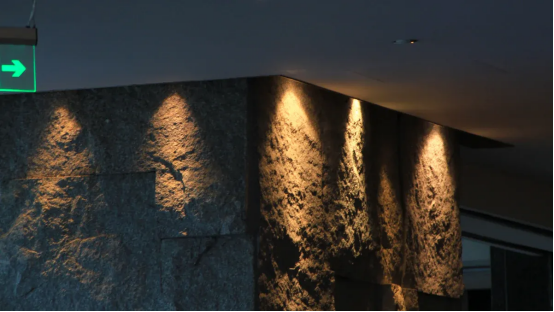
In contrast, wall grazing places flexible luminaires in extreme proximity to the target plane. Installers position light fixtures no further than 12 inches away from the target surface. When highlighting textured surfaces such as stacked stone, stucco, or brick, the optimal placement for fixtures is between 6 and 12 inches from the wall, with the light aimed almost parallel to the vertical plane. For highly detailed material profiles, contractors install luminaires extremely close to the surface, approximately 2 inches away, ideally utilizing adjustable rotating brackets to fine-tune the beam angle post-installation.
Narrow optics directional beams project light across the surface at a severe incidence angle. This precise orientation produces distinct visual attributes:
· Texture Exaggeration: Narrow beam distribution highlights structural variations by distinctly revealing the elevated ridges and deeper recesses on surface materials like stone.
· Shadow Intensity: The focused illumination creates bold, high-contrast shadow dynamics that emphasize surface contours and architectural curves.
Specialists apply this grazing technique in both interior feature walls and exterior facade illumination. Applying wall grazing along outdoor lighting features enhances vertical facades, heavy masonry, and structural pillars. Incorporating this approach into landscape design elevates stone retaining walls and natural rock formations into striking visual anchors.
Design Tip: Always utilize narrow beam angles combined with micro-louvers when executing wall grazing. Narrow optics focus light along the vertical plane, while louvers block stray spill light and eliminate direct driver glare for surrounding viewers.
Matching optical delivery to material composition prevents severe aesthetic errors. Wall washing excels on flat, smooth materials such as finished drywall, gypsum board, and matte painted surfaces. The wide optical throw creates soft illumination, masking taped joints and subtle trowel variations.
Conversely, specifiers must carefully regulate wall grazing applications. Applying intense wall grazing to flat painted drywall creates unintended visual disruptions:
· Sharp Angle Light Placement: Positioning fixtures extremely close to a surface causes narrow, high-intensity beams of light to strike at a steep, low angle.
· Shadow Creation on Imperfections: The grazing light catches tiny raised areas ("peaks") on the drywall and projects long, high-contrast shadows into surrounding low spots ("valleys").
· Amplification of Defects: Because grazing intentionally amplifies contrast and surface character rather than scattering light evenly, any slight bump, uneven seam, or installation flaw on flat drywall becomes heavily highlighted.
Therefore, lighting specifiers must reserve wall grazing exclusively for coarse, deliberate textures like split-face granite, rough-hewn timber, stacked shale, and decorative masonry. Understanding the relationship between surface roughness and fixture setback ensures robust optical performance across both outdoor lighting and interior environments.
Specifiers must evaluate fixture mechanics, optical physics, and color stability when choosing linear luminaires. Selecting an adaptable flexible wall washer allows designers to illuminate complex architectural features without sacrificing photometric precision.
Engineers design flexible luminaires with specific bending axes to match structural contours. Standard single-axis models bend along one plane, while advanced 3D variants flex simultaneously across multiple directions.
Fixture Variant | Minimum Top Bending Diameter | Minimum Side Bending Diameter |
100 mm | 300 mm | |
Top Bending Wall Washer | 300 mm | N/A |
Multi-axis 3D luminaires offer major advantages over rigid or 2D fixtures:
· Complex Structural Geometries: Luminaires seamlessly follow multi-planar surface transitions where single-axis bending fails.
· Corners and Angles: Flexible bodies navigate sharp structural edges and direction changes smoothly.
· Combined Curves and Straight Runs: Fixtures transition fluidly between linear pathways and contoured architectural facades.
💡 Optical Efficiency Tip: Specifiers should select integrated optical lenses over traditional diffuse covers. Integrated lenses project light directly across target planes with an ultra-wide 170°–175° lateral distribution. Conversely, traditional milky covers scatter light haphazardly and cause a 30% to 50% loss in light output.
Asymmetric optics project directional beams precisely onto target planes instead of wasting light into unoccupied spaces.
Asymmetric lenses direct output straight onto vertical boundaries. This targeted delivery eliminates spill light on ceilings and adjacent floors. Consequently, asymmetric fixtures yield superior target visibility at lower wattages compared to symmetric units. Project teams deploy these engineered lighting solutions to maintain even lighting across full wall heights without over-powering luminaires.
Long-term visual performance depends directly on lumen maintenance ratings and thermal control. Elevated junction temperatures and UV radiation degrade optical silicone and cause phosphor drift over time.
Specifying appropriate lumen ratings ensures long-term consistency:
· Standard L70 Ratings: Allow up to a 30% output drop, creating visible chromaticity drift and patchy color variations within three years.
· Superior L80/L90 Ratings: Limit light degradation significantly, preserving precise color uniformities across extended commercial installations.
High-grade flexible wall washer products retain high chromaticity stability under constant thermal stress. Premium construction protects luminaires in demanding outdoor lighting applications, where extreme heat and moisture challenge system integrity. Selecting fixtures with robust environmental protections guarantees sustained visual excellence across continuous outdoor lighting installations.
Precise spatial calculations guarantee optimal light distribution across vertical surfaces. Designers determine fixture placement by calculating the offset ratio relative to total surface height. Wall washing requires a setback distance equal to one-third or one-fourth of the wall height. For example, a 12-foot vertical plane demands a fixture offset of 3 to 4 feet from the boundary. This generous spacing allows wide beam angles to expand fully and produce smooth, uniform illumination without hot spots.
Conversely, wall grazing requires a tight offset ratio of one-tenth or one-twelfth of the total surface height. A 10-foot architectural boundary requires an installer to place luminaires 10 to 12 inches away from the target material. Close fixture placement directs narrow beams along the surface at a sharp angle. This steep angle catches minor physical projections, throwing dramatic shadows across textured materials. Specifiers must also evaluate how setback distance alters light behavior near physical boundaries.
Setback Distance | Impact on Light Spill & Optical Performance |
Short Setback | Creates higher optical pressure due to the close proximity of receptors to the luminaire. Requires strict control over rear spill and source brightness to avoid unwanted light. |
Greater Setback | Lowers intensity at off-site boundaries and reduces apparent source size. Allows space for the light beam to hit the target field without aggressive angles, though it may necessitate higher poles or modified optics to sustain field coverage. |
Lighting professionals apply these precise setback rules in both indoor spaces and outdoor lighting projects. Proper spatial planning protects adjacent walkways from bright spill light while maintaining visual impact across key feature walls.
Continuous visual illumination requires strategic fixture spacing and calculated beam overlap. Installers avoid uneven dark patches or harsh scalloping patterns by maintaining a 1:1 spacing-to-setback ratio. When an installer positions fixtures 12 inches away from a wall for wall grazing, the distance between adjacent optical modules should also equal 12 inches center-to-center.
Adjacent light distribution vectors must overlap by 30 to 50 percent along the target plane. This deliberate beam overlap creates smooth visual transitions between individual optical points. The overlap neutralizes deep shadows near the light source while pushing consistent illumination toward upper wall boundaries.
Mastering this lighting technique requires balancing beam spread angles with fixture intervals. Specifiers choose 15-degree narrow beam optics to execute precise wall grazing on textured stone. Wide 60-degree beam distributions suit smooth wall washing projects across expansive drywall surfaces. Correct beam overlap ensures that every light ray contributes to a unified vertical plane, enhancing spatial depth without introducing visual noise into modern lighting design schemes.
Serpentine walls and custom ceiling coves present unique structural installation challenges. A flexible wall washer solves these layout issues by bending around organic architectural contours. Installation teams secure these pliable luminaires inside recessed ceiling pockets or custom mounting channels. Architectural coves should provide a minimum interior pocket depth of 4 inches and a width of 6 inches. This recessed pocket completely conceals fixture housings, mounting clips, and supply wiring from view.
Contractors mount bendable aluminum channels along curved drywall or masonry footprints before snapping fixtures into place. Mounting brackets support the flexible fixture body around tight radii down to 100 millimeters. The pliable body maintains a constant distance from curved walls, ensuring uniform grazing intensity across serpentine stone facades.
Installers adjust integrated mounting hardware to direct light at a 45-degree angle toward target surfaces within recessed coves. This strategic positioning maximizes beam throw and hides fixture lenses behind protective pocket lips. Landscape design projects utilize similar recessed ground channels to protect fixtures along exterior serpentine walls. Applying this versatile mounting technique delivers seamless linear illumination along complex architectural curves without exposed hardware or erratic light output.
Unshielded light sources often create uncomfortable visual glare for building occupants. High-performance luminaires project intense light output, but raw LED diodes can blind observers walking nearby. Specifiers integrate micro-louver optical accessories directly onto fixture housings to suppress high-angle brightness. Honeycomb louvers absorb lateral light spill while allowing primary light beams to reach target wall planes cleanly.
Designers also specify fixture profiles with deeply recessed optical channels. A 45-degree visual cutoff angle conceals internal LED lenses from standard human sightlines. This physical shielding technique improves ambient visual comfort across commercial lobbies and public corridors. In addition, installation teams deploy top-visor snoots along elevated linear runs. These metallic visual shields redirect stray top-light downward, creating crisp upper beam boundaries without reducing target lux levels. When contractors position narrow grazing optics close to structural materials, integrated louvers eliminate unwanted ceiling light scatter. This optical control preserves sharp visual contrast and accentuates deep shadows across heavy masonry surfaces.
Exposed power supplies and loose wiring disrupt sleek architectural design concepts. Lighting specifiers deploy remote driver enclosures to hide electrical hardware far away from primary sightlines. Electrical contractors install power drivers inside central electrical closets, drop-ceiling cavities, or recessed wall panels located up to 100 feet away. Remote mounting simplifies routine maintenance tasks and protects sensitive electronic components from localized heat buildup.
Contractors route low-voltage supply cables through concealed structural channels, recessed millwork slots, and customized mounting tracks. A modern flexible wall washer snaps into continuous aluminum mounting channels that hide power feed wires completely beneath the luminaire body. Specialized outdoor lighting projects utilize compact weatherproof junction boxes and IP67-rated quick-connect cables to seal power connections against heavy rain and environmental moisture. Smart cable management maintains pristine architectural aesthetics while ensuring long-term operational reliability across high-end commercial interiors and exterior facade installations.
Mastering vertical illumination requires a clear understanding of fixture setback distances and optical distributions. Specifiers select wall washing with wide optics and large setbacks to create smooth, uniform light across flat surfaces. Conversely, wall grazing uses narrow optics and tight setbacks to highlight tactile textures through high-contrast shadows. Achieving flawless results requires early coordination among lighting specifiers, architectural designers, and drywall contractors. Project teams must align structural details and surface finishes before mounting fixtures. Furthermore, specialists conduct full-scale physical mock-ups and on-site testing to evaluate texture rendering and visual comfort. This installation technique verifies optic performance prior to final fixture placement. Applying proper wall washing and wall grazing within every lighting technique transforms architectural spaces.
Wall washing spreads light evenly over smooth surfaces from a distance. Conversely, close fixture placement highlights deep textures. The grazing process casts dramatic shadows across rough masonry, creating intense architectural depth.
Flexible fixtures excel on serpentine boundaries and curved architectural features. Designers specify these versatile units for both textured stone walls and smooth drywall coves. The bendable profile maintains uniform optical distances along organic structural contours.
Specifiers integrate micro-louver accessories and honeycomb inserts onto luminaires. Furthermore, mounting fixtures inside recessed ceiling pockets provides a clear visual cutoff. This installation technique shields light sources and preserves observer comfort.
Most manufacturers mark precise cutting points along flexible fixture bodies. Installers shorten runs at these designated field locations. Factory-sealed end caps protect internal circuits from moisture and dust after field adjustments.
Please provide the following detailed information so that our business representatives can better understand your needs and get in touch with you as soon as possible.