
 EN
EN
 English
 繁体中文
繁体中文 Italian
 Greek
Greek Spanish
 Hebrew
 Japanese
 Portuguese
 Korean
 Russian
 French
 German
 Arabic
Blog & Events
Follow NOVANEON for more valuable information to know early
Follow NOVANEON for more valuable information to know early
Aug 19Source: Views: 161
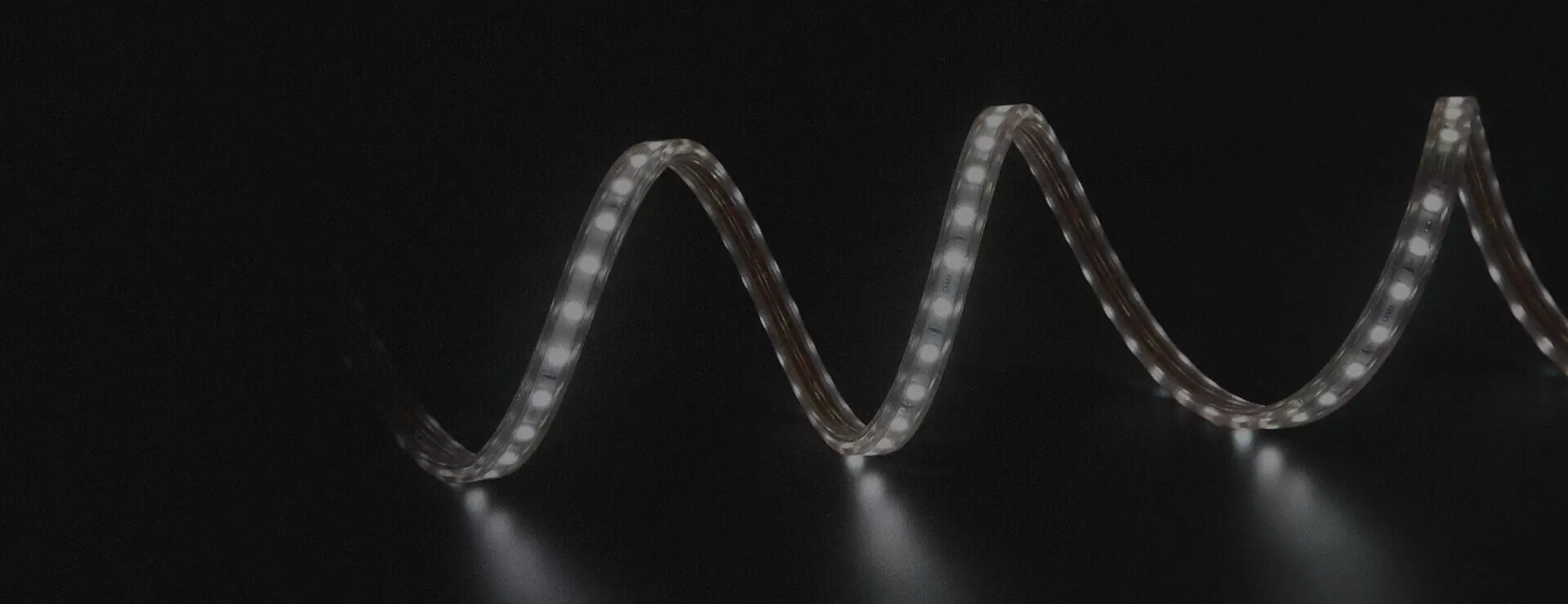
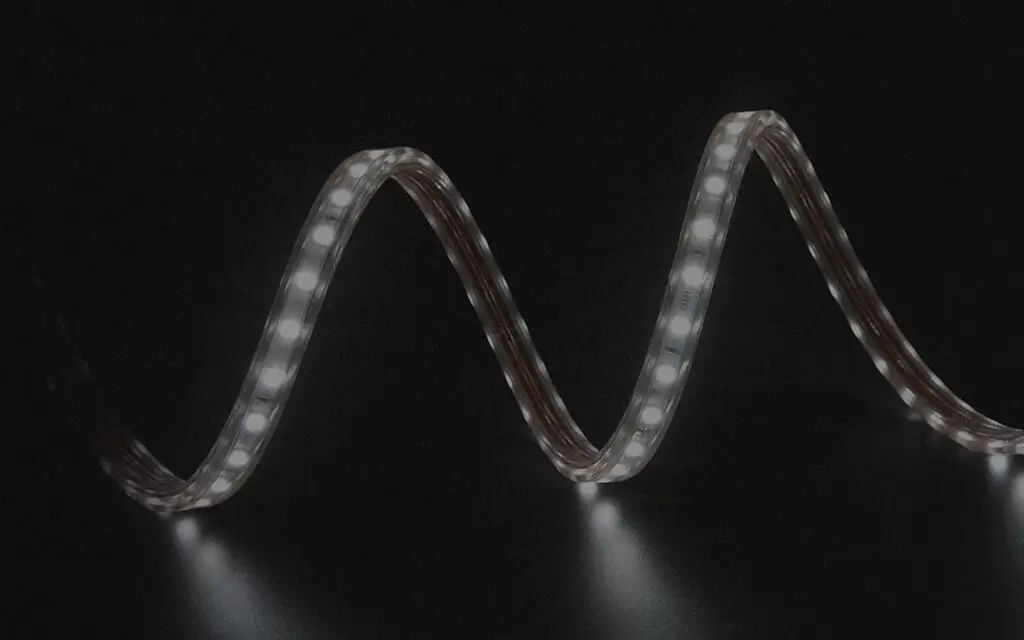
Architectural indoor lighting undergoes a major shift away from pixelated led strip lights. Modern interior applications require smooth, hot-spot-free illumination without visual breaks. Every premier indoor led flex manufacturer adopts high-density chip placement and uniform encapsulation to eliminate visible light dots. Advanced manufacturing methods transform standard flexible led linear lighting strips into continuous lines of light. Breakthroughs in substrate engineering enhance thermal performance across slim profiles during extended operating cycles. Integrated smart driver technology allows precise brightness control directly on thin circuit boards. These engineering innovations redefine current industry trends, while robust lighting solutions elevate modern lighting design across commercial spaces.
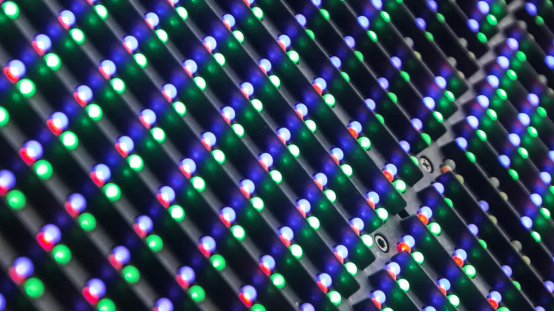
Chip-on-board packaging removes visible light dots from continuous runs. Surface-mount packaging leaves wide spaces between individual diodes. Modern assembly lines place microscopic flip-chips directly on the substrate. Manufacturers bind high-density flip-chips onto the flexible circuit substrate without fragile wire bonds. A layer of continuous phosphor encapsulation coats the densely packed chips. This seamless coating blends individual light points into a single uniform beam across interior applications.
Architects select these flexible led linear lighting strips for modern commercial installations. Continuous phosphor encapsulation delivers smooth illumination without visual interruptions. The protective layer eliminates heavy plastic diffusers while maintaining uniform output. Designers create clean linear accent lines inside narrow architectural channels and shallow coves. Continuous packaging prevents color shifting across extended linear runs. Modern manufacturing innovations satisfy high visual standards in contemporary lighting design.
Engineers optimize thermal pathways on flexible substrate platforms to increase optical output. Direct attachment of flip-chips to copper layers speeds up heat dissipation. Lower heat resistance allows chips to deliver superior output without consuming extra electrical power. Improved thermal management protects sensitive semiconductor materials from heat degradation. Modern COB manufacturing trends drive significant operational improvements across architectural spaces.
High-efficiency LED flex strips can save 50% to 85% of energy consumption compared to traditional fluorescent lighting.
Advanced manufacturing innovations create high-output lighting solutions for demanding architectural projects. High-density flip-chip arrays deliver bright continuous illumination across commercial applications. Precise phosphor mixing yields consistent lumen performance without wasting light through thick diffusers. Automated optical equipment verifies lumen distribution across every production batch.
The Grilite product page for high efficiency COB LED strip lights claims a maximum efficacy of up to 180 lm/W.
Facility managers lower operational power costs while securing maximum design flexibility. High-performance flexible led strips optimize energy efficiency for long operating cycles. These modern led upgrades elevate flexible led linear lighting strips and transform overall lighting design across commercial venues.
Modern manufacturing transforms printed circuit assemblies for interior applications. Double-layer flexible PCBs incorporate two conductive layers to improve current carrying capacity. The secondary conductive layer distributes electrical power evenly across the substrate. Thick copper pathways lower internal electrical resistance within slim substrates. This heavy copper construction speeds up thermal transfer away from sensitive mounted chips.
Engineers choose double-layer flexible designs to optimize overall flexibility and durability. Double-layer flexible PCBs provide superior heat dissipation compared to single-layer designs. Efficient heat removal extends the operational lifespan of high-density led strip lights. Lighting designers specify these flexible led linear lighting strips to create custom lengths for complex layout solutions. Advanced substrate technology ensures consistent current flow while maintaining mechanical resilience during tight bending.
Voltage drop causes visible dimming across extended linear illumination runs. Long power paths reduce line voltage before current reaches the far end. Circuit designers integrate wider trace pathways directly into the flexible circuit board. Increased copper volume maintains steady operating voltage along the entire circuit path. Stable electrical voltage guarantees uniform light output without visual brightness decay.
Design Strategy | Primary Advantage | Impact on Lighting Performance |
Double-layer copper traces | Increases current carrying capacity | Eliminates brightness degradation across long runs |
Integrated trace layout | Standardizes power distribution | Supports modularity and custom lengths without dimming |
Continuous power paths | Reduces electrical resistance | Enhances thermal management and system longevity |
Modular systems simplify field installation in expansive commercial architectural projects. Installers connect flexible led linear lighting strips to form continuous illumination lines across large ceilings. System modularity enables rapid adjustment to match unique spatial dimensions. Customization options allow technicians to tailor led runs without adding extra power feed points. Reliable trace architecture protects professional lighting design standards in modern indoor applications.
Modern manufacturing advances create ultra-thin linear lighting solutions for challenging interior architectural environments. Engineers actively replace traditional bulky aluminum heat sinks with advanced, thermally conductive polymers. These specialized polymer matrices pull excess thermal energy directly away from delicate led components during prolonged operating cycles. This slim structural engineering maintains exceptional energy efficiency within shallow ceiling slots, minimal wall coves, and narrow display cabinets without requiring heavy metal mounting channels or external cooling hardware.
Advanced polymer substrates improve overall energy efficiency across extended commercial interior installations. Factory assembly lines integrate specialized dielectric layers directly into flexible circuit board profiles. These conductive pathways speed up heat dissipation across the substrate surface during continuous usage. Thermally conductive dielectric adhesives bond internal copper traces securely, which eliminates thermal bottlenecks, prevents localized heat buildup, and protects sensitive led circuit traces from early performance loss.
Material innovations transform protective silicone encapsulation techniques for modern linear lighting profiles. Silicone acts as a superior thermal conductor and heat sink by drawing heat energy away from mounted led chips. Unlike traditional epoxy or PVC coatings, silicone preserves high optical clarity and maintains a flexible profile across a 5-10+ year lifespan. High-performance optical encapsulants optimize light transmission, while optically reflective silicone materials withstand high operating temperatures without yellowing or degrading overall lumen maintenance over time.
Specialized silicone extrusion processes protect delicate internal circuits while offering highly reliable, versatile solutions for complex indoor lighting projects. Die attach adhesives featuring transparent silicone bases provide strong bond strength alongside exceptional thermal stability. These manufacturing innovations shield sensitive diodes from mechanical impact and prevent chemical degradation from ultraviolet radiation exposure. Interior designers specify these high-performance energy-efficient led lights to achieve consistent illumination, lower facility maintenance costs, and ensure superior long-term system reliability.
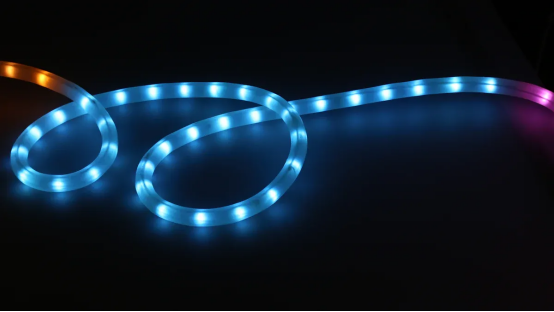
Advanced substrate manufacturing improves physical durability across complex interior architectural installations. Single-Layer Polyimide flexible circuit boards withstand 500,000 to 1,000,000 bending cycles at a 10mm radius. Double-Layer Flexible PCB substrates endure 100,000 to 300,000 cycles without trace fracturing. Modern 3D bending flexible led strips require a minimum bending radius of 25 mm during installation to prevent diode damage.
Engineers evaluate mechanical flexibility across different substrate construction designs.
Substrate Type | Bending Cycle Life (at 10mm radius) | Structural Application |
Single-Layer Polyimide | 500,000 – 1,000,000 cycles | |
Double-Layer Flexible PCB | 100,000 – 300,000 cycles | Complex commercial applications |
Hybrid Rigid-Flex | 50,000 – 150,000 cycles | Specialized layout customization |
High-tack self-adhesive backings enable rapid, toolless mounting on curved interior surfaces. Enhanced trace architecture protects internal electrical pathways while offering superior mechanical flexibility. This physical structural durability expands overall design flexibility for professional interior lighting design.
Integrated smart technology connects physical led fixtures directly to modern digital management software. Built-in smart drivers enable real-time brightness adjustment, operational scheduling, and rgb color changing modes. Advanced manufacturing integrates compact microchips onto thin flexible substrates. Integrated wireless systems support modularity, which allows modular systems to sync effortlessly across expansive commercial spaces.
Wireless communication protocols optimize signal reliability across complex interior building environments.
both can be connected with Bluetooth or Zigbee. Bluetooth lets you control them when you’re nearby, and Zigbee provides a stronger and more reliable signal than Wi-Fi
Engineers select smart led hardware using Bluetooth 5.0 Mesh or Zigbee 3.0 systems to match industry trends in commercial installations. Users execute direct power, color, and dimming adjustment via mobile applications. Intelligent smart systems deliver dynamic lighting scenes across modern commercial environments. Modern smart technology continues to transform automated led light management while advancing modern lighting design.
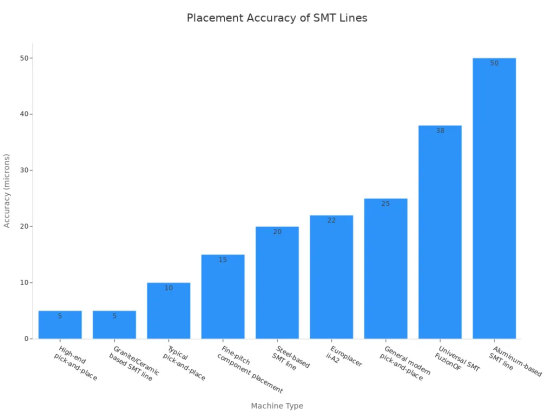
Every high-standard indoor led flex manufacturer relies on fully automated surface-mount assembly processes. Modern pick-and-place equipment positions sub-millimeter components with microscopic precision. A positional shift of 0.1 mm degrades light uniformity along continuous linear strips. High-precision machinery eliminates visual misalignments during flexible led strip assembly.
Machine Platform / Type | Accuracy (microns) |
High-end pick-and-place machine | ±5 µm |
Granite/Ceramic-based SMT line | ±5 to ±8 µm |
Steel-based SMT line | ~±20 µm |
Universal SMT (FuzionOF) | 38 µm |
Aluminum-based SMT line | 50 to 100 µm |
Advanced color sorting standards ensure strict chromatic consistency across separate production batches. Optical sensors scan individual semiconductor chips during high-speed led strip manufacturing. Automated systems classify mounted components into tight single-bin color categories. This single-bin sorting practice prevents color variations across extended interior architectural runs. Precise led strip manufacturing maintains tight color tolerances across every production lot.
Leading facilities implement strict quality assurance protocols to maintain product performance. Automated optical inspection systems evaluate micro-soldered joints continuously during manufacturing. Thermal and mechanical stresses can damage delicate internal traces during bending. Rigorous quality control innovations isolate weak structural points before final packaging. Every premier indoor led flex manufacturer tests flexible substrates rigorously to guarantee long-term reliability.
Standardized testing procedures verify long-term lumen maintenance under extreme thermal operating conditions. Standard IES LM-80 specifies methods for measuring operational brightness at 55°C and 85°C over a minimum of 6000 hours. Engineers use IES TM-21 mathematical extrapolations to project long-term lifespan metrics like L70 accurately.
A reliable indoor led flex manufacturer uses advanced technology to support demanding commercial projects. Modern factory innovations drive current industry trends toward continuous linear lighting solutions. Automated processes deliver reliable performance across complex interior architectural spaces.
Lighting designers evaluate spectral distribution to select flexible led linear lighting strips for color-critical interior spaces. Museum curators and retail planners demand exceptional fidelity values to display artwork accurately. High-end museum guidelines establish clear target benchmarks for color rendering performance:
l Museums target an IES TM-30 fidelity index Rf ≥ 90
l Gamut index Rg ranges from 97–103
l Accurate art displays require a high R9 score
Saturated red performance dictates how natural architectural surfaces appear under artificial light. Standard evaluation methods often fail to measure deep red tones correctly.
Premium LED strips have R9 > 90, as stated in the Anyhope LED strip quality guide: "CRI > 95, with R9 and R12 both above 90 for accurate saturated red and saturated blue reproduction."
Modern production facilities manufacture high-CRI flexible led linear lighting strips to meet these stringent spectral standards in demanding commercial applications. Advanced phosphor formulations maintain consistent spectral balance and color fidelity across continuous long-term operation.
Architects balance energy efficiency with long-term lumen maintenance when specifying linear illumination systems. Modern production lines optimize circuit board layouts to maximize optical output. Efficient component spacing drives heat away from delicate diode junctions. High-quality manufacturing standards protect internal electronic components from rapid thermal decay during continuous daily operation.
Engineers measure operational lifespan using standardized industry degradation metrics:
l High-quality architectural flex strips achieve L70 ≥ 45,000+ hours with proper installation
l Pro-grade flex strips reach L70 > 50,000 hours, enabling a 3-5 year warranty
l Standard quality flex strips maintain L70 ≥ 50,000 hours
l Premium quality flex strips achieve L70 ≥ 100,000 hours
Facility managers select high-performance led strip lights to reduce maintenance overhead across commercial properties. Standardized IES LM-80 test data confirms long-term lumen retention under elevated ambient temperatures. Professional lighting solutions maintain steady optical output, high system reliability, and uniform color rendering throughout their extended service life.
Manufacturing innovations transform modern linear fixtures. Advanced COB packaging, smart drivers, and multi layer flexible circuit substrates elevate overall led performance. Every premier indoor led flex manufacturer delivers seamless brightness across complex space layouts. Robust solutions remove visual hot spots while enhancing mechanical flexibility. Architects and engineers secure dynamic control, flawless optical output, and steady durability to optimize indoor lighting design.
Future manufacturing trends will emphasize sustainable production materials alongside deep hardware intelligence integration. Industry pioneers refine flexible substrates to minimize environmental impact. Advanced led systems combine automated production techniques with adaptive software features. These continuous breakthroughs elevate modern lighting design and shape commercial lighting solutions for years to come.
Continuous Chip-on-Board packaging mounts dense flip-chips directly onto the substrate. A protective layer of continuous phosphor encapsulation coats these chips. This uniform coating blends individual light points into a single seamless beam without requiring heavy diffusers across interior commercial applications.
Double-layer flexible PCBs incorporate wider trace pathways and thicker copper layers. This increased copper volume lowers internal electrical resistance. The engineered layout maintains steady operating voltage along the entire circuit path to prevent dimming over extended linear runs.
Compact microchips mount directly onto thin flexible substrates to connect fixtures with digital controls. These integrated smart drivers utilize Bluetooth 5.0 Mesh or Zigbee 3.0 wireless protocols. Users execute direct power, color, and app-based dimming adjustment through smart management software.
Single-layer polyimide substrates endure 500,000 to 1,000,000 bending cycles at a 10mm radius. However, technicians must maintain a minimum bending radius of 25 mm for 3D bending flexible LED strips during installation. This practice prevents diode damage while supporting tailored customization across curved surfaces.
Please provide the following detailed information so that our business representatives can better understand your needs and get in touch with you as soon as possible.