
 EN
 English
 繁体中文
 Italian
 Greek
 Spanish
 Hebrew
 Japanese
 Portuguese
 Korean
 Russian
 French
 German
 Arabic
Blog & Events
Follow NOVANEON for more valuable information to know early
Follow NOVANEON for more valuable information to know early
Nov 18Source: Views: 8
Choose top bend when the flex must curve up and down relative to the light-emitting face, and side bend when it must curve left and right. This rule guides every buyer working with a led neon flex manufacturer. Match the bend direction to the plane of the mounting surface and the direction the light must face. The visible light-emitting face and the emitting direction together define the correct choice. Forcing the wrong bend direction can crack the product instantly, so the decision must come before ordering. This post covers definitions, a comparison table, applications, five specifications to confirm with a manufacturer, a checklist, and common mistakes. Top bend suits flat surfaces; side bend handles contours. Each curve demands the right profile.
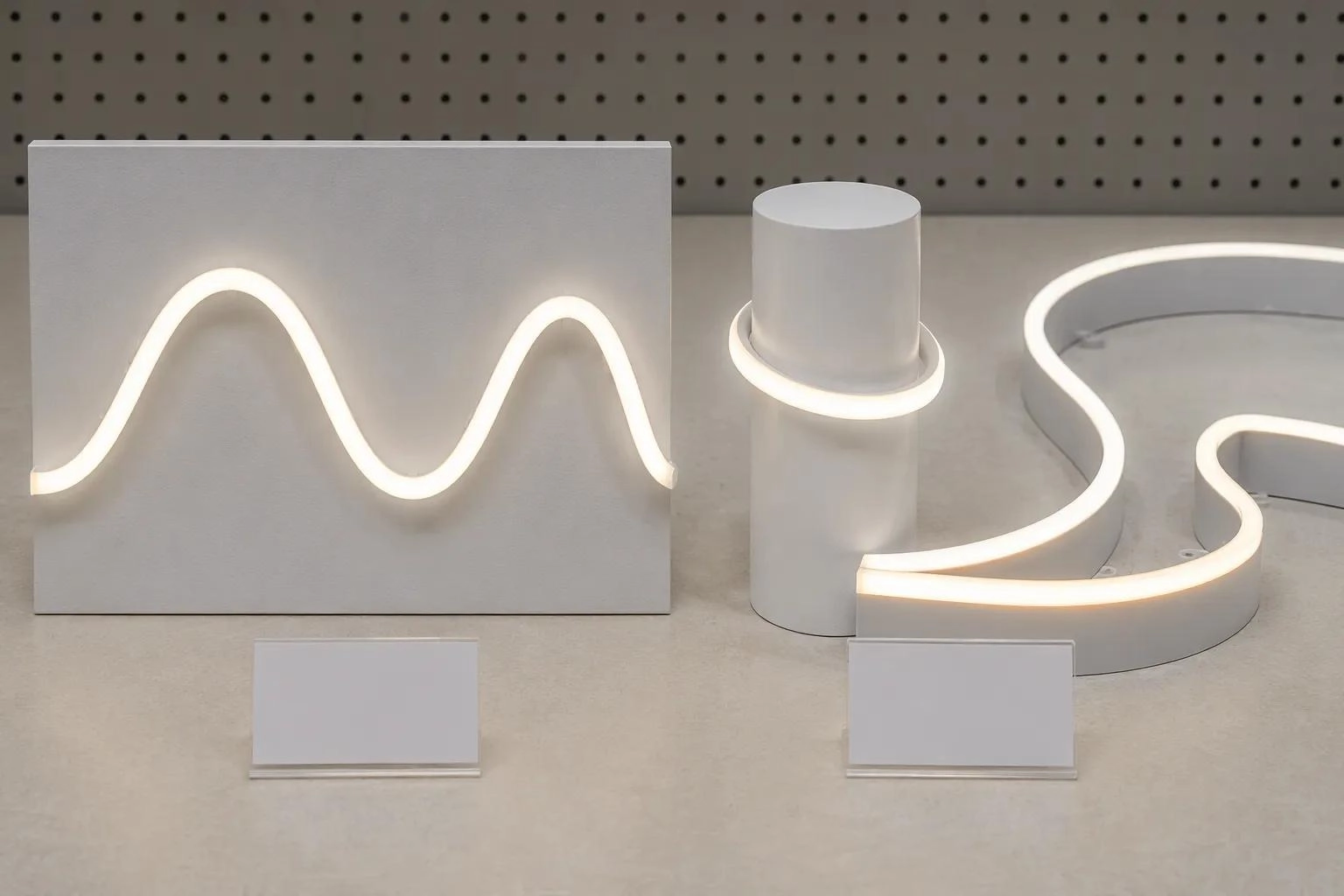
Top bend flexes vertically, up and down relative to the light-emitting surface. Side bend flexes horizontally, left and right relative to the same surface. Those two lines settle most selection questions before any catalog page opens.
A top-bend led neon flex suits any path that rises and falls while the light points outward from a flat plane. The strip sits flat at the bottom of the profile, and the profile bends like a belt. Waves, flowing curves, arches, and barrel vaults all follow this motion. A flat signage face is the clearest case: the letters or logo sit on one plane, the light faces the viewer, and the path moves up and down within that plane. The same logic applies to a backlit panel with a scalloped top edge or a feature wall with a soft wave running across it. In each case, the visible light-emitting face stays pointed in one direction while the body of the top bend led neon flex travels vertically. Buyers who sketch a wave on paper and see the line move up and down have already found their answer.
A side-bend led neon flex suits paths that turn left and right along a vertical or contoured plane. Building outlines, facade edges, columns, and the sides of channel letters all demand this motion. Picture a column: the strip wraps around it, and the path turns horizontally at every step. Picture a channel letter: the light sits on the side wall, and the run follows the letter's outline on a vertical plane. The emitting face points sideways into the room or along the facade, not straight out. A side bend led neon flex handles these turns without stress on the housing. The same profile also follows the curve of a rounded wall or the rim of a circular sign. Here the direction of travel is horizontal, and the light throws sideways.
The distinction matters because the two profiles cannot swap motions. A top bend led neon flex forced into a horizontal turn will crack at the housing. A side bend led neon flex pushed into a vertical arc will fail the same way. The bend direction is fixed at manufacture, and no installer can change it on site. Confirm the direction of every run before the order leaves the factory. A simple test settles it: trace the path with a finger and note whether the line moves up and down or left and right. That single gesture reveals which led neon flex belongs on the job. The next sections define both types in more detail and compare their profiles, radius limits, and mounting surfaces side by side.
Two sentences carry the whole decision. First, identify where the light must face. Second, trace the installation path along the mounting surface. The emitting direction and the path shape together settle the choice before any product data sheet enters the conversation.
The mounting plane sets the frame of reference. A flat sign face, a backlit panel, or a wall surface gives the light one clear outward direction. The path then moves up and down within that plane, and top bend fits. A column, a facade edge, or a letter side presents a vertical plane instead. The light throws sideways, and the path turns left and right, so side bend fits.
Buyers should treat the emitting face as the anchor. Every later question about profile size, radius, and clearance depends on this first match. A wrong match here cannot be corrected later on site.
A finger on the drawing reveals the answer faster than a catalog. Trace the run from start to end and watch the line. A line that rises and falls describes a vertical curve, and the main bend direction is top bend. A line that swings left and right describes a horizontal curve, and side bend is the match.
Most installations follow a two-dimensional path, so one trace settles the case. Complex runs may combine both motions, and those runs need a split design with two profiles. Readers should sketch or measure the full path before contacting a supplier. A simple drawing with dimensions and the emitting direction marked gives the manufacturer everything needed for a fast, accurate recommendation.
The two names describe motion, not appearance. Each profile carries a fixed bend direction set during manufacture, and that direction decides how the product sits on a surface.
A top-bend led neon flex holds its LED strip flat at the bottom of the profile. The body flexes up and down like a belt, while the visible light-emitting face stays pointed outward. This motion suits arches, barrel vaults, and outer 3D bends. A top bend led neon flex also follows the soft waves common on signage faces and feature walls. The light-emitting surface remains on one plane throughout the run. A top bend led neon flex therefore keeps its output aimed at the viewer while the housing travels vertically. The silicone neon profile holds this shape through repeated curves without stress on the internal strip.
A side-bend led neon flex flexes left and right along its length. The strip turns within a vertical or contoured plane, and the emitting face throws light sideways. This motion suits contours and edges on a vertical plane, such as columns, facade rims, and letter sides. A side bend led neon flex handles a tight curve around a rounded wall with the same ease as a long, sweeping outline. The bend direction stays horizontal for the full run. A side bend led neon flex keeps the light aimed along the surface rather than straight out. The silicone neon flex housing protects the strip through every turn.
The two profiles cannot share one bending motion. A top bend forced into a horizontal turn cracks the housing at once. A side bend pushed into a vertical arc fails the same way. The radius limit differs by type as well, so buyers should confirm the figure for the exact profile before ordering. Each direction demands its own product.
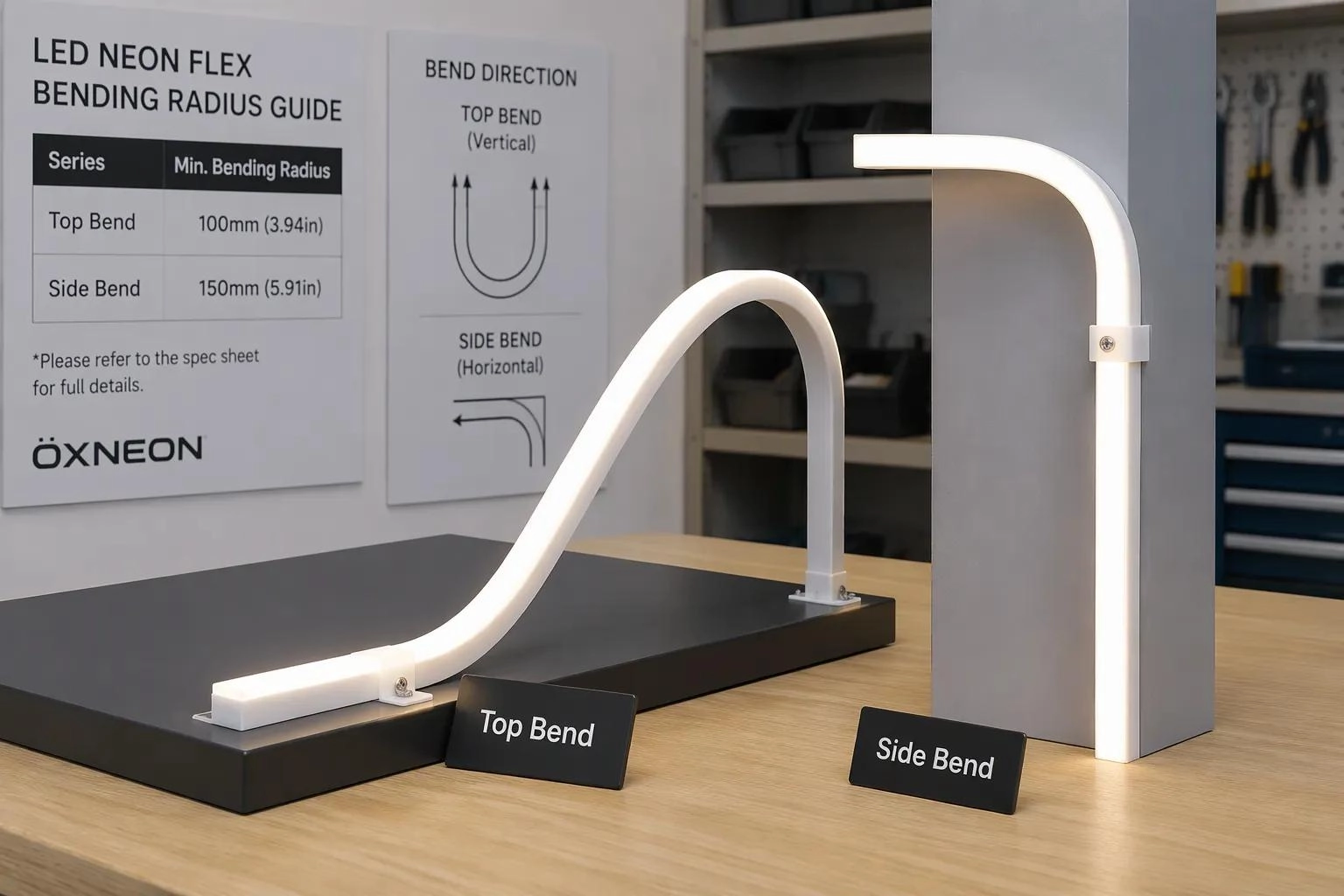
The table below places both profiles side by side. Each row shows where a type fits best. Neither column claims superiority; the job decides.
Feature | Top Bend | Side Bend |
Vertical, up and down relative to the visible light-emitting face | Horizontal, left and right relative to the emitting face | |
Mounting surface | Flat planes: sign faces, panels, walls | Vertical or contoured planes: columns, edges, letter sides |
Typical use | Channel letters, logo faces, arches, barrel vaults | Building outlines, facade rims, curved walls |
Minimum bend radius | Confirm with the manufacturer for the exact profile | Confirm with the manufacturer for the exact profile |
Profile height | Confirm per model; check clearance to the surface | Confirm per model; check clearance to the surface |
Ordering notes | Specify the main bend direction and run length | Specify the main bend direction and run length |
A top-bend led neon flex and a side-bend led neon flex differ in one structural respect: the axis of motion. The top bend led neon flex moves vertically, so the installer fixes it to a flat plane and lets the body rise and fall. The side bend led neon flex moves horizontally, so the installer fixes it along an edge and lets the body swing left and right. The mounting channel must follow the same plane in both cases. A channel fixed to the wrong plane forces the profile against its design and cracks the housing.
The minimum bending radius sets the tightest turn each profile accepts. That figure changes with profile size, jacket material, and structure type, so buyers should request the manufacturer's bending radius guide. The guide lists the smallest curve radius for each structure and size. A bend-direction diagram from the supplier removes guesswork on site. Installers who follow the diagram avoid the most common failure: bending a profile against its designed direction.
Profile height matters as much as radius. A tall silicone neon profile needs more clearance inside a tight curve, and a shallow mounting channel may pinch the housing. Buyers should compare the profile height against the channel depth before ordering. The silicone neon flex housing protects the internal strip, and a pinched housing transfers stress to the LEDs.
Ordering notes should travel in writing. State the bend direction, the run length, the radius of every curve, and the voltage. Ask the manufacturer to confirm the minimum bend radius for the chosen model. Front-bend and side-bend silicone sleeves look different at the end cap and along the extrusion, so buyers can verify the type visually before installation. A quick look at the sleeve confirms the order arrived correct. That check takes seconds and prevents a failed install.
Channel letters, logo faces, and sign fronts give the top-bend led neon flex its clearest job. The light must face the viewer from a flat plane, and the path rises and falls within that plane. A top bend profile sits flat against the letter back and throws light straight out. The emitting face stays pointed at the viewer for the full run. Installers fix the profile into a mounting channel cut to the letter shape, and the body follows every wave and arch without stress.
Logo faces follow the same logic. A script logo with flowing curves needs a profile that bends up and down while the light points outward. The top-bend led neon flex handles those curves with a fixed bend direction set at the factory. A tight curve near a letter tail demands a check against the minimum radius, so buyers should confirm that figure before ordering. The top bend led neon flex keeps the light aimed forward through every turn, which is exactly what a sign face requires.
Backlit panels and flat feature walls present one plane and one outward direction. A top bend led neon flex runs across that plane in soft waves, arches, or barrel vaults. The light faces out from the wall, and the path moves vertically within the surface. A barrel vault is the classic case: the profile bends up and down over the vault while the light points down into the room.
Feature walls with scalloped or arched tops follow the same pattern. The installer traces the path, confirms the direction of travel, and selects top bend. The led neon flex then follows the wall contour with the light aimed outward. A sample test in the intended direction confirms the fit before a bulk order. These applications reward a simple check: if the light faces out and the path bends up and down, top bend is the match.
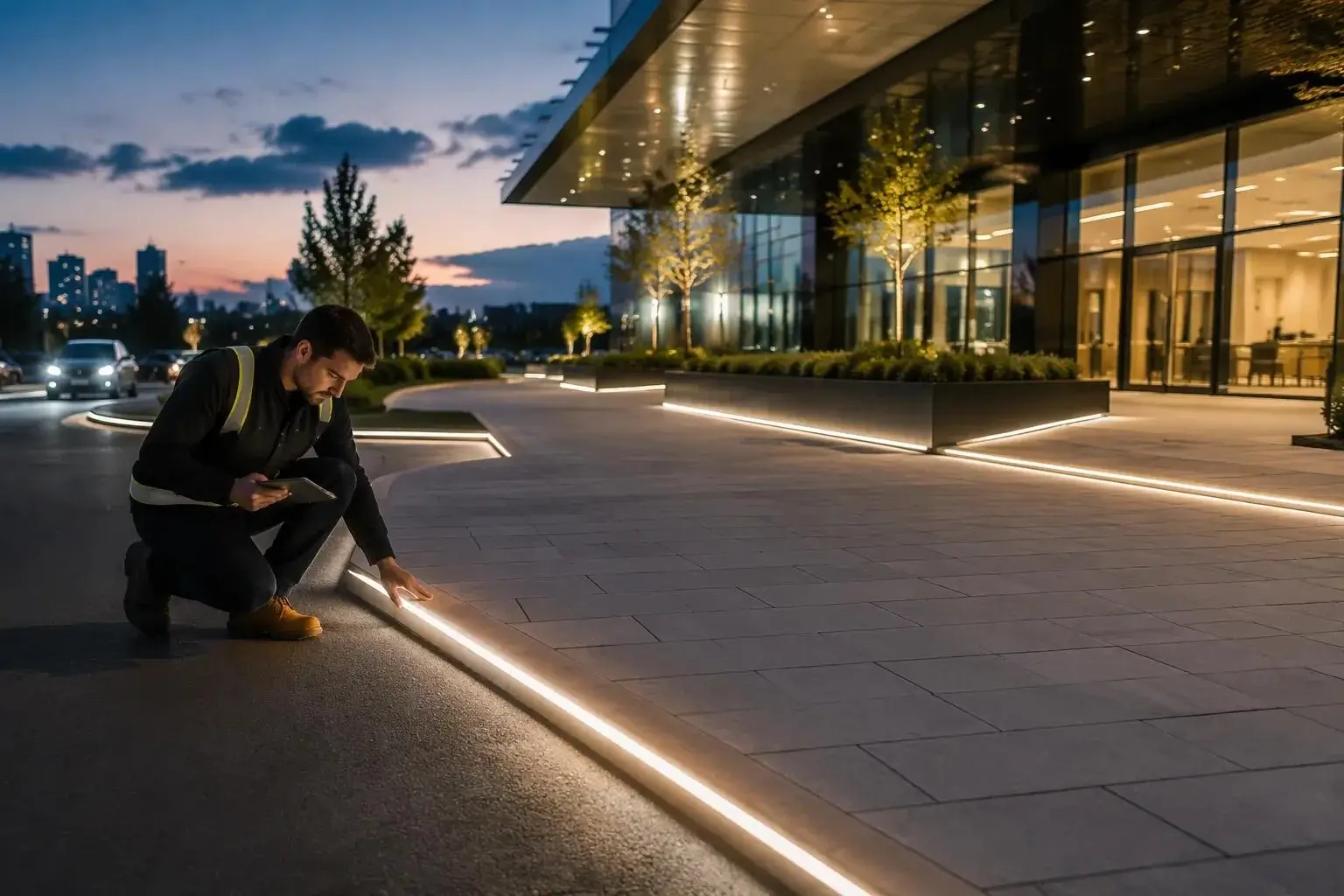
Building outlines and facade edges give the side-bend led neon flex its most visible role. The installer fixes the profile along a vertical plane, and the light throws sideways across the facade. The path turns left and right at every corner, so the bend direction must run horizontally. A side bend profile follows those corners without stress on the housing. The emitting face points along the wall rather than straight out, which produces the crisp edge line architects want. A mounting channel fixed to the facade rim holds the profile in place, and the body swings through each turn as designed.
Facade edges on towers and low-rise buildings follow the same pattern. The run climbs a vertical architectural contour and turns horizontally at each setback. A side-bend led neon flex handles those turns with a fixed horizontal motion set at the factory. Installers should confirm the minimum radius for every corner before ordering, because a tight turn near a parapet can exceed the profile limit. A sample test along one corner confirms the fit before the bulk order ships.
Curved walls and columns present a contoured plane, and the light must wrap around it. A side bend led neon flex turns left and right along that surface, so the profile hugs the column through every degree of the wrap. The led neon flex keeps its emitting face aimed along the wall, which lights the surface rather than the viewer. Round columns, oval planters, and curved reception desks all reward this horizontal motion. The profile bends around the contour with the light aimed sideways, and the housing stays protected through each turn.
The sides of channel letters demand the same treatment. The light sits on the letter's side wall, and the run follows the outline on a vertical plane. A side-bend led neon flex traces those curves with the light thrown into the room. Script letters with tight loops need a radius check against the manufacturer's guide, since one sharp curve can exceed the limit. Installers who trace the path first and confirm the direction of travel avoid the most common failure on site.
The first confirmation covers bend direction and minimum bending radius. Buyers should request the manufacturer's bending radius guide. That guide lists the smallest curve radius for each structure type, including top bend, side bend, and 360-degree options. It also ties each figure to profile size, light effect, and jacket material. A model-specific minimum bending radius removes guesswork from tight corners. The same document should include a bend-direction diagram, which shows how the profile sits inside the mounting channel. Installers who follow that diagram avoid bending a profile against its designed motion.
Profile dimensions come next. Buyers should compare the profile height and width against the channel depth and the clearance available on the mounting surface. A tall silicone neon flex needs room inside a tight curve, and a shallow channel can pinch the housing. A top-bend led neon flex and a side-bend led neon flex may share a footprint yet differ in clearance needs, so the check applies to each model separately.
Voltage and wattage per meter set the run length and the power supply. Buyers should state the total run and ask the led neon flex manufacturer to confirm the load for that length. The IP rating follows the location. Indoor runs need less protection, while outdoor facades and wet areas call for IP65, IP66, or IP68 options. Color consistency and warranty terms belong in the same conversation. Ask about SDCM figures, with under 3 steps as a common target, and about warranty length, such as a 5-year term. Material questions round out the list: silicone housing and copper FPCB construction both affect long-term stability. A reputable led neon flex manufacturer answers each point in writing before the order ships.
Site measurement comes before any product decision. Architects and contractors should measure the full run and confirm the mounting plane first. A two-dimensional path on a flat sign face points toward top bend. A run that climbs vertical architectural contours and turns at each corner points toward side bend. Mark the emitting face on the drawing so the supplier sees where the light must point.
Surface checks follow the measurement. Confirm the plane is flat enough for the mounting channel and that clearance exists behind the profile. Note whether the light must face outward or sideways. A shallow channel can pinch the housing, so compare profile height against channel depth for every model under consideration.
A sample test settles doubts that drawings cannot. Request a short length and bend it in the intended direction before any bulk order. Test the tightest curve on the job against the stated radius. A profile that resists the bend or shows stress at the housing is the wrong choice, regardless of what the catalog says.
Written confirmation closes the loop. Ask the led neon flex manufacturer to confirm the bend direction, minimum bending radius, profile size, IP rating, and lead time in writing. Request the model-specific minimum bending radius for each profile, since figures vary by size and jacket material. Keep that document on site. Installers can then check the delivered bends against the confirmed specification before installation begins.
The most expensive mistake happens before the order ships. A buyer selects top bend for a run that turns left and right along a vertical plane, or selects side bend for a flat sign face. The profile arrives with a fixed bend direction, and no installer can change it on site. Forcing a flex to bend the wrong way can crack the housing instantly. A top-bend led neon flex pushed into a horizontal turn fails at the first corner. A side-bend led neon flex pushed into a vertical arc fails the same way. The mounting channel must follow the same plane as the profile, so a channel fixed to the wrong surface forces the housing against its design.
A second error follows the first: buyers fail to verify the sleeve type before installation. Front-bend and side-bend silicone sleeves look different at the end cap and along the extrusion. A quick visual check confirms the delivered type matches the order. Skipping that check wastes the sample test and delays the job.
Every profile carries a minimum bending radius, and that figure changes with size and jacket material. Buyers who ignore the minimum bend radius force a tight curve that damages the internal strip. A sharp corner near a letter tail or a parapet can exceed the limit on a side bend led neon flex. The same risk applies to a top bend led neon flex on a narrow arch. A pinched silicone neon flex housing transfers stress to the LEDs, and the failure appears weeks after installation.
Clearance deserves equal attention. A shallow mounting channel can pinch the housing inside a tight curve. Buyers should compare profile height against channel depth for each model. Skipping a sample test compounds both risks. A short length bent in the intended direction reveals whether the radius and clearance suit the job. That test takes minutes and prevents a failed bulk order.
Bend direction follows the mounting plane and the direction the light must face. A flat face with a path that rises and falls calls for top bend; a vertical plane that turns left and right calls for side bend. Buyers should confirm every specification with the led neon flex manufacturer before ordering.
The buyer's rule stays simple: trace the path, then match the motion. The five specifications to confirm are bend direction and radius, profile size, voltage and wattage, IP rating, and color consistency with warranty terms. A side-bend led neon flex suits tight curves around columns, while a side bend led neon flex traces facade edges. Installers should test one curve of the led neon flex before bulk ordering. Readers can share their mounting surface, path shape, and dimensions for a recommendation and sample.
Please provide the following detailed information so that our business representatives can better understand your needs and get in touch with you as soon as possible.