
 EN
EN
 English
 繁体中文
繁体中文 Italian
 Greek
Greek Spanish
 Hebrew
 Japanese
 Portuguese
 Korean
 Russian
 French
 German
 Arabic
Blog & Events
Follow NOVANEON for more valuable information to know early
Follow NOVANEON for more valuable information to know early
Jun 30Source: Views: 128
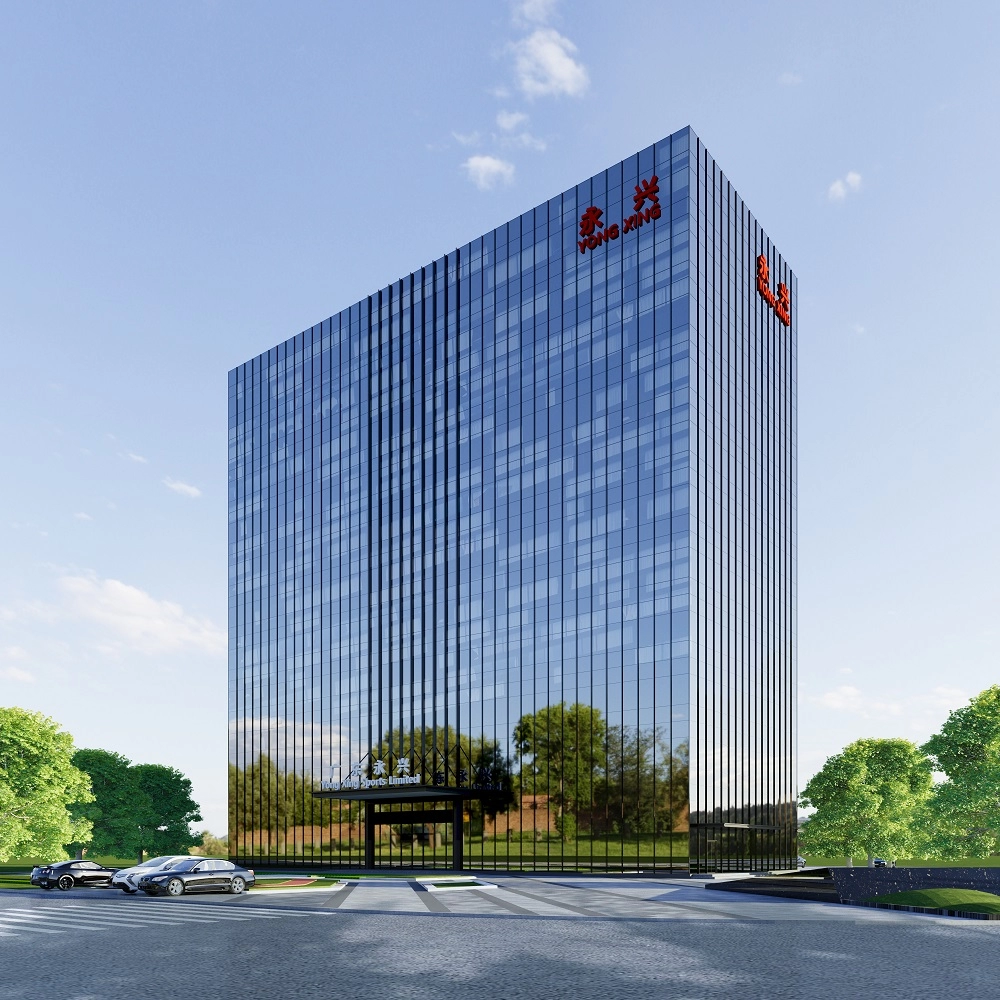
Commercial buildings are no longer designed with lighting as a secondary consideration. Today, lighting is integrated into the architectural concept from the earliest planning stage, influencing everything from brand identity and customer experience to energy performance and long-term maintenance. Whether the project involves an office tower, shopping mall, hotel, transportation hub, or mixed-use development, selecting the right lighting system has become a strategic decision rather than simply choosing a brighter fixture.
At the same time, commercial projects have become larger and more complex. Architects are designing buildings with curved facades, transparent curtain walls, recessed ceilings, outdoor plazas, landscaped walkways, and multifunctional public spaces. These architectural features require lighting products that are flexible, durable, and capable of delivering consistent illumination over long distances.
As a result, many project owners are replacing conventional fixtures with a LED flexible lighting system for architecture that can be adapted to different installation environments while maintaining a clean visual appearance. Modern solutions combine flexibility, optical precision, waterproof protection, intelligent control, and energy efficiency into one integrated system, making them suitable for both indoor and outdoor applications.
Manufacturers have also shifted their role within the industry. Instead of supplying individual lighting products, experienced companies now provide complete project based LED lighting solutions, helping architects, lighting designers, and contractors optimize product selection, installation methods, and long-term operational performance. Choosing an experienced professional architectural lighting supplier or architectural LED lighting manufacturer therefore becomes an important part of delivering a successful commercial project.
This article examines the key factors that influence the selection of LED flex lighting systems for commercial buildings and explains why flexible linear lighting technologies are becoming the preferred solution for modern architectural design.
Every commercial building has its own architectural language and operational needs. Before selecting any lighting product, project teams should evaluate where the lighting will be installed, how it will be used, and what performance is expected throughout its service life.
Unlike residential lighting, commercial projects generally operate for longer hours, involve larger installation areas, and require easier maintenance. These characteristics place much higher demands on product reliability and engineering support.
A shopping mall focuses on attracting visitors and highlighting storefronts, while a corporate headquarters emphasizes a professional appearance and energy efficiency. Hotels seek to create a memorable first impression, whereas transportation hubs prioritize visibility and safety.
Because each application serves a different purpose, no single lighting product can satisfy every project. Instead, designers should choose a LED flexible lighting system for architecture that can be configured according to the building's function.
For example:
Understanding these different requirements helps project teams avoid selecting products that are technically suitable but operationally inefficient.
Lighting should enhance the architecture without creating unnecessary maintenance challenges.
For commercial developments, visual consistency is just as important as brightness. Uneven illumination, visible light dots, inconsistent color temperatures, or poorly aligned fixtures can reduce the overall quality of an otherwise impressive building.
To achieve professional results, many architects now specify products featuring high brightness LED flex for outdoor buildings, high brightness LED flex strip, and uniform light distribution LED strip technology. These systems provide continuous illumination while minimizing dark spots and excessive glare.
Projects that require premium visual quality may also benefit from high CRI LED linear lighting system for indoor architecture, ensuring that interior finishes, natural materials, and retail merchandise maintain accurate color representation throughout the day and evening.
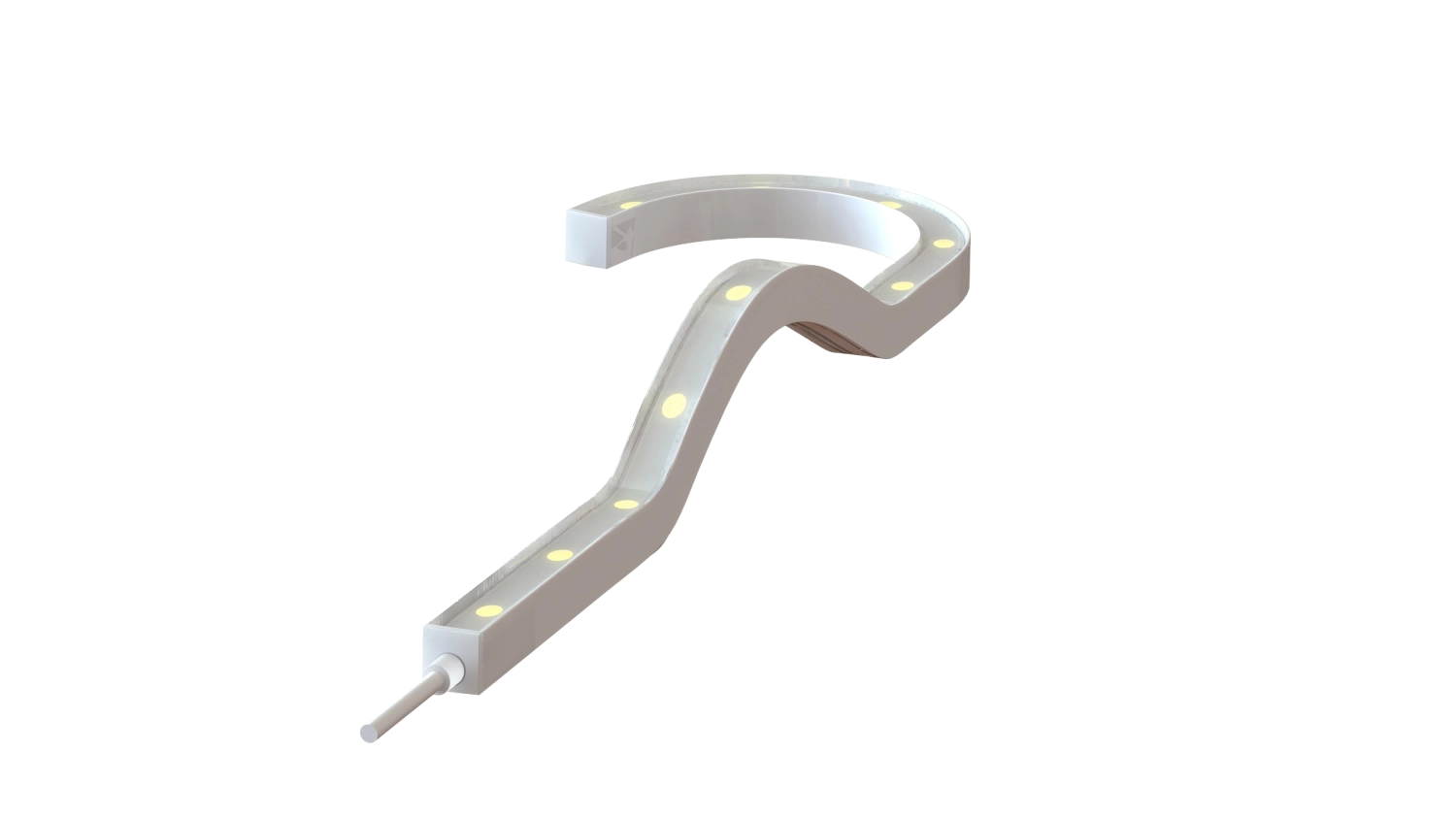
Traditional architectural lighting often relied on floodlights, spotlights, and rigid linear luminaires. While these products remain suitable for certain applications, they are less effective when buildings incorporate long facade lines, curved structures, or recessed architectural details.
Flexible lighting systems offer greater design freedom while simplifying installation and improving overall visual continuity.
One of the main reasons designers choose a LED flexible lighting system for architecture is its ability to create uninterrupted lines of illumination.
Buildings with visible lighting gaps often appear fragmented at night. Continuous lighting, by contrast, reinforces the original architectural geometry and creates a more refined appearance.
Products such as ultra-long LED flex, continuous run LED flex lighting system, long run seamless LED neon flex, and architectural ultra long LED linear system enable designers to illuminate extended building outlines without frequent interruptions.
This approach is particularly effective for:
Long continuous lighting also reduces the number of visible electrical connections, resulting in a cleaner finished installation.
Modern architecture increasingly features curved facades, circular entrances, irregular rooflines, and sculptural building elements.
Rigid fixtures often require custom brackets or segmented installation, increasing both construction time and maintenance complexity.
Products including bendable 3D LED neon strip, 3D bending LED flex, high performance curved LED flex lighting system, shape adjustable LED linear lighting, and flexible curved LED lighting system are designed to follow complex building geometries while maintaining consistent illumination.
Instead of forcing architects to compromise their original concepts, flexible lighting adapts naturally to the building's design.
For premium commercial developments, this flexibility allows lighting to become an integrated architectural element rather than a visible accessory.
Another important advantage of modern flex lighting systems is the ability to reduce installation complexity.
Conventional low-voltage lighting products typically require multiple power injection points across long building facades. Every additional connection increases labor requirements and creates another potential maintenance location.
Today's DC48V ultra long LED strip, DC48V ultra long LED flex for continuous facade installation, long distance LED linear lighting, and commercial ultra long LED lighting solution products address these challenges by supporting significantly longer continuous runs.
For contractors, this delivers several practical benefits:
These advantages become increasingly valuable on large commercial buildings where installation efficiency directly affects project schedules.
Many buyers initially compare products based on lumen output alone. However, brightness is only one aspect of architectural lighting performance.
How light is distributed across a facade often determines whether the finished project appears professional or uneven.
Modern commercial buildings contain a wide variety of surface materials, including glass curtain walls, natural stone, exposed concrete, aluminum panels, ceramic finishes, and decorative metal screens.
Each material reflects light differently.
Consequently, architects increasingly specify precision optical LED lighting system solution, precision optical LED flex lighting, optical control LED flex lighting, and commercial optical LED strip system technologies capable of directing light exactly where it is required.
Instead of wasting luminous output through uncontrolled beam spread, precision optics create cleaner facade lines while reducing unnecessary light pollution.
Long building facades immediately reveal inconsistencies in lighting quality.
Visible LED dots, brightness fluctuations, overlapping beams, and dark sections can diminish the appearance of even the most carefully designed architecture.
Solutions incorporating uniform light distribution LED strip for retail lighting, beam controlled LED flex lighting, optical LED linear lighting system, and high precision LED optical lighting help maintain smooth illumination across large architectural surfaces.
This consistency becomes particularly important for retail centers, hotels, luxury residential developments, and public buildings where nighttime appearance directly influences public perception.
Different parts of a commercial building require different lighting strategies.
Wide beam angles are often appropriate for general facade illumination, while narrow beams may be preferred to emphasize columns, textured stone, or vertical architectural features.
For this reason, many designers select lens based LED strip lighting system, architectural optical lighting solution, and optical LED linear products that offer multiple beam distributions according to project requirements.
Carefully matching beam angles to architectural details not only improves visual quality but also helps reduce energy consumption by directing light only where it is needed.
Even the highest-quality lighting product can fail to deliver expected results if installation planning is overlooked.
Successful commercial lighting projects consider cable routing, mounting methods, environmental conditions, maintenance access, and future expansion before construction begins.
Large-scale developments often involve multiple contractors working simultaneously. Selecting products that simplify installation helps reduce coordination challenges while improving project efficiency.
This is one reason why experienced contractors increasingly prefer LED strip lighting system for commercial projects, professional LED linear lighting system, LED linear lighting system suit for architecture, and architectural LED flex lighting system solutions that combine reliable performance with straightforward installation procedures.
Careful planning at the beginning of a project usually leads to lower installation costs, fewer construction delays, and more reliable long-term operation.
Commercial buildings are expected to operate reliably throughout the year regardless of weather conditions. Unlike indoor installations, exterior lighting systems must withstand rain, dust, ultraviolet radiation, temperature fluctuations, and, in some locations, salt spray or high humidity. For projects located in coastal cities, transportation hubs, or industrial zones, environmental resistance is often as important as lighting performance.
Because of these conditions, architects and contractors increasingly specify products that are engineered for demanding outdoor environments rather than adapting indoor lighting systems for exterior use.
Waterproof performance should always match the actual installation environment. While some façade applications require protection against rain and dust, others—such as fountains, swimming pools, or landscape lighting—must operate while fully exposed to water.
Products such as waterproof LED strip lighting system for outdoor use, Novaneon waterproof LED flex, durable outdoor LED flex for harsh environment, and high performance silicone LED neon flex lighting are designed to maintain stable performance even under long-term outdoor exposure.
For projects involving decorative water features or recreational facilities, dedicated products including waterproof LED neon strip for swimming pool, waterproof LED neon flex for swimming pool, underwater LED flex lighting, LED underwater strip lighting, and IP68 underwater LED lighting system provide the reliability required for continuous operation.
Selecting the correct waterproof solution at the beginning of a project reduces future maintenance while protecting the overall investment.
The external housing of a lighting product has a direct impact on its lifespan. Silicone-based encapsulation has become increasingly popular because it offers excellent flexibility, UV resistance, and weather stability compared with conventional PVC materials.
For projects in coastal environments or regions with intense sunlight, products such as silicone LED neon strip, silicone encapsulated LED neon flex for outdoor signage, and anti-UV waterproof LED neon flex for coastal buildings provide better long-term performance.
These materials are less likely to discolor, crack, or become brittle over time, helping commercial buildings maintain a consistent appearance with fewer maintenance interventions.
Modern commercial developments extend far beyond the building itself. Lighting is now integrated into pedestrian pathways, parking areas, landscape features, public plazas, and rooftop terraces.
This has increased demand for products such as pathway embedded LED lighting strip, buried LED strip lighting system, landscape underground LED lighting, underground LED lighting system for landscape pathway, and driveway LED underground lighting system.
By selecting products specifically engineered for these environments, project teams can achieve a cohesive lighting design across the entire site while ensuring reliable operation under heavy pedestrian or vehicle traffic.
Lighting control has become a defining feature of modern commercial architecture. Instead of operating on fixed schedules, today's buildings increasingly use programmable lighting systems that respond to occupancy, events, seasons, or energy management strategies.
A well-designed control system not only improves the visual experience but also reduces electricity consumption and simplifies facility management.
Commercial buildings often serve different purposes throughout the day.
A shopping mall may host promotional campaigns, a hotel may organize seasonal celebrations, and a mixed-use development may support cultural events or public festivals.
Using DMX LED lighting control system, DMX controllable LED flex lighting system for projects, and DMX controlled wall washer LED lighting, facility managers can adjust brightness, color, and lighting scenes without modifying the physical installation.
This flexibility allows one lighting system to support a wide variety of operational needs while extending the value of the investment.
Dynamic color control has become increasingly common for commercial architecture, particularly in retail centers, entertainment districts, and public landmarks.
Products including RGBW wall washer LED flex, high efficiency RGBW LED wall washer strip, color changing neon LED flex, RGB neon LED strip lighting, and commercial outdoor LED neon flex lighting solution provide designers with greater creative freedom while maintaining high efficiency.
For larger projects, DMX controlled facade wall washing system and DMX LED wall washer lighting system supplier solutions allow synchronized lighting effects across extensive building surfaces, creating a unified nighttime appearance.
Energy efficiency remains a priority for commercial property owners.
Lighting systems capable of combining intelligent control with efficient hardware help reduce operating costs without compromising visual quality.
Technologies such as low power consumption LED flex system, energy saving LED strip lighting commercial use, high efficiency LED flex lighting, energy saving LED linear lighting, and energy saving flexible architectural LED system contribute to lower energy usage while supporting corporate sustainability goals.
The quality of an architectural lighting project depends not only on the products themselves but also on the experience and technical capability of the manufacturer.
Large commercial developments often require engineering consultation, customized production, installation guidance, and long-term technical support.
Choosing a supplier based solely on product catalogs may overlook these important services.
Experienced manufacturers participate throughout the project lifecycle rather than simply supplying lighting products.
A qualified OEM LED flex lighting manufacturer, architectural LED lighting supplier OEM, or ODM LED lighting solutions provider can assist with:
This collaborative approach helps reduce project risks while ensuring the lighting system performs as expected after installation.
Commercial architecture rarely follows standard dimensions.
Curved façades, custom ceiling details, irregular building outlines, and complex signage often require lighting products manufactured specifically for each project.
Manufacturers capable of providing custom LED flex manufacturer, custom LED flex lighting supplier, custom LED flex for architectural design, custom LED neon flex for signage projects, and custom length LED strip lighting for architectural use can better accommodate these unique design requirements.
Working with a flexible production partner also shortens installation time because products arrive ready for project-specific installation rather than requiring extensive on-site modification.
Even well-planned commercial projects occasionally encounter avoidable problems during product selection.
Recognizing these common mistakes can help developers improve project quality while reducing future maintenance costs.
Brightness, wattage, and color temperature provide useful information, but they should never be the only selection criteria.
Optical performance, installation efficiency, waterproof protection, and long-term reliability often have a greater influence on the total cost of ownership.
Lighting installed on high-rise façades or complex architectural structures may be difficult to access after construction.
Selecting products with a long lifespan LED flex lighting solution, professional high efficiency LED flex, and reliable waterproof construction can significantly reduce maintenance frequency over the building's lifetime.
Commercial developments frequently expand over time.
Choosing a modular LED lighting system for building projects, continuous run LED flex lighting, or LED linear flexible lighting solution provides greater flexibility when future buildings or landscape areas need to be integrated into the original lighting design.
The role of lighting in commercial architecture continues to evolve. Today, successful projects require more than attractive illumination—they demand systems that simplify installation, improve operational efficiency, withstand challenging environments, and adapt to changing architectural requirements.
A well-designed LED flexible lighting system for architecture combines optical precision, flexible installation, intelligent control, and long-term durability into a single integrated solution. Whether the application involves office buildings, hotels, shopping centers, transportation infrastructure, or public landscapes, selecting the appropriate lighting technology during the design stage has a lasting impact on project performance.
Innovations such as DC48V ultra-long LED lighting system, ultra-long LED strip lighting system for architecture, architectural grade LED linear lighting system, and high efficiency optical LED linear lighting system design are helping contractors simplify construction while giving architects greater creative freedom.
For organizations planning commercial developments, partnering with an experienced LED facade lighting manufacturer, LED linear lighting supplier China, LED flex supplier, commercial LED lighting solutions provider, and global LED lighting solutions provider offers advantages that extend far beyond product supply. Engineering expertise, customized manufacturing, and reliable technical support contribute directly to project quality and long-term operational success.
As commercial architecture continues to prioritize sustainability, intelligent operation, and distinctive visual identity, integrated solutions such as Novaneon LED lighting, Novaneon flexible LED lighting, Novaneon outdoor LED lighting system, Novaneon custom LED flex system, Novaneon linear lighting solutions, and Novaneon architectural lighting are well positioned to support the next generation of architectural lighting projects, delivering reliable performance from concept design through final installation and long-term operation.
Please provide the following detailed information so that our business representatives can better understand your needs and get in touch with you as soon as possible.